MinuteRead
30 min
Book summary
by George Goodman
Premium summary · Opens in the app · 30 min read
The stock market presents itself as a world of numbers. Earnings reports, price-to-earnings ratios, dividend yields, balance sheets. The language suggests precision. The figures imply that if you simply study hard enough, you can know what will happen next.
**Author:** George Goodman (writing as Adam Smith)
**Estimated Reading Time:** 45 minutes
**What You'll Learn:** Why the stock market behaves less like an economic machine and more like a psychological theater. You will learn how fear, greed, identity, and the pressure to perform shape prices more than balance sheets ever could. You will learn why the smartest people often make the worst investors, why professionals chase the same stocks, and why knowing yourself matters more than knowing a company.
**Who This Book Is For:** Anyone who has ever wondered why markets crash when the economy looks fine, why they bought at the top and sold at the bottom, or why their carefully researched investment failed while someone else's hunch made a fortune. This book is for people who want to understand the game behind the numbers.
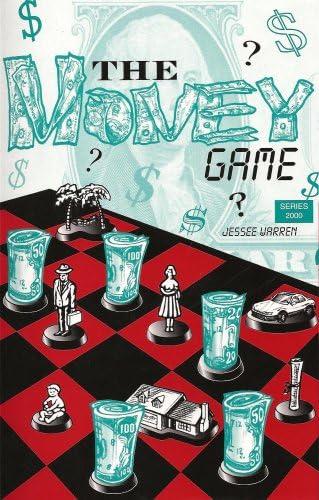
The stock market presents itself as a world of numbers. Earnings reports, price-to-earnings ratios, dividend yields, balance sheets. The language suggests precision. The figures imply that if you simply study hard enough, you can know what will happen next. But spend enough time watching the market, and a strange realization settles in. The numbers do not always explain the movements. A company reports excellent earnings, and the stock falls. Another company reports disaster, and the stock rises. The market soars on no news at all. It crashes when the economic data looks strong. George Goodman, writing under the pseudonym Adam Smith, set out to explain this puzzle. His book, The Money Game, became one of the most influential books ever written about investing, not because it offered a formula for picking stocks, but because it told the truth about how markets actually work. The truth is uncomfortable. The market is not a rational calculator of value. It is a game played by human beings who bring their fears, their ambitions, their insecurities, and their egos to every trade. The market is a psychological arena where the person who knows themselves best often beats the person who knows the most about finance. Goodman wrote at a time when Wall Street was becoming democratized. The 1960s saw a surge of ordinary people entering the market, convinced that investing was a path to easy wealth. Mutual funds were booming. Young fund managers were becoming celebrities. The go-go years were in full swing, and everyone seemed to be making money. Goodman watched this with a skeptical eye. He saw the patterns that repeated across decades. He saw that the same mistakes were made by each new generation of investors who believed this time would be different. He saw that the market was less about companies and more about crowds. The book's central insight is captured in a quote…
Continue reading in the MinuteRead app
Get the complete 30-minute summary of The Money Game
Get the complete summary in the appThe stock market is a psychological game, not a rational calculator of value.
Crowds move in predictable cycles of fear and greed.
Professional investors are trapped by the pressure to perform short-term.
Numbers create an illusion of precision. Verify them before you trust them.
The market is a mirror. It reveals who you really are.
Self-knowledge is more important than market knowledge.
"The Money Game" is a strong fit if you want practical ideas around finance, money, business, especially themes like the stock market is a psychological game, not a rational calculator of value; crowds move in predictable cycles of fear and greed. The MinuteRead summary distills these concepts into a focused read, whether you're deciding whether to buy the book or applying its lessons at work.
Motivated to help readers with "The game of professional investment is intolerably boring and over-exacting to anyone who is entirely exempt, George Goodman wrote “The Money Game” to package those ideas for a fast, focused read. In “The Money Game”, George Goodman focuses on "The game of professional investment is intolerably boring and over-exacting to anyone who is entirely exempt. Through “The Money Game”, George Goodman distills the core ideas on finance into lessons readers can absorb in a …
Continue Reading
Access the complete 30-minute summary and thousands more nonfiction books in the MinuteRead app.

Continue reading the complete summary in the MinuteRead app.