MinuteRead
30 min
Book summary
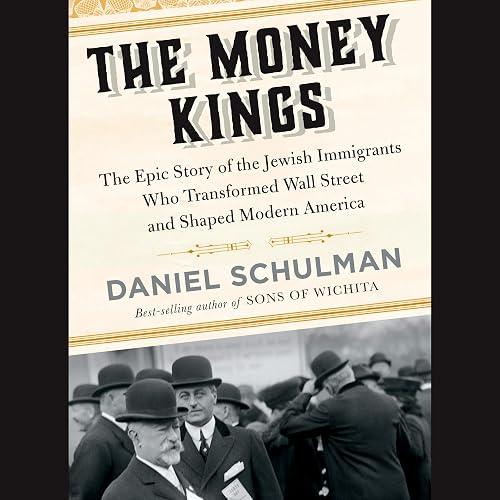
by Daniel Schulman
Premium summary · Opens in the app · 30 min read
The names Goldman Sachs, Lehman Brothers, and Kuhn Loeb evoke images of towering skyscrapers, whispered deals in oak-paneled boardrooms, and the immense machinery of American finance. These institutions have shaped the economic destiny of the United States and, by extension, much of the modern world. Yet the story of how they came to exist is far stranger and more humble than most people imagine.
**Author:** Daniel Schulman **Estimated Reading Time:** 45 minutes
**What You'll Learn:**
How a small group of Jewish immigrant families rose from peddling goods on American backroads to building the financial institutions that powered America's industrial revolution. You will discover the family dynamics, business strategies, and moral compromises behind names like Goldman, Lehman, Seligman, and Schiff. You will understand how they navigated antisemitism, war, and scandal while leaving an indelible mark on modern finance and American philanthropy.
**Who This Book Is For:**
Readers fascinated by the hidden histories behind Wall Street's most storied names. Anyone interested in the immigrant experience, the Gilded Age, or the complex relationship between wealth, identity, and power. If you have ever wondered how family businesses become dynasties, or how marginalized outsiders build empires while facing persistent prejudice, this book offers a compelling and deeply human answer.
The names Goldman Sachs, Lehman Brothers, and Kuhn Loeb evoke images of towering skyscrapers, whispered deals in oak-paneled boardrooms, and the immense machinery of American finance. These institutions have shaped the economic destiny of the United States and, by extension, much of the modern world. Yet the story of how they came to exist is far stranger and more humble than most people imagine. It begins not on Wall Street but on the dusty roads of rural America. It begins with young men, often teenagers, fleeing poverty and persecution in the German states, arriving in New York with little more than the clothes on their backs. It begins with heavy packs strapped to tired shoulders, with rickety wooden carts creaking along unpaved paths, with the simple act of knocking on a stranger's door and offering goods for sale. These peddlers were the founding fathers of American finance. The Seligmans, the Lehmans, the Goldmans, the Schiffs, the Warburgs, the Kahns. Before they were bankers, they were salesmen. Before they commanded millions, they counted pennies. Before they advised presidents, they learned to read the character of a customer by the way they haggled over a bolt of cloth. Daniel Schulman's "The Money Kings" tells their story with the depth and nuance it deserves. This is not a simple tale of rags to riches, though that element certainly exists. It is a story about family, loyalty, identity, and the moral compromises that accompany the pursuit of power. It is a story about what it means to be an outsider in a society that both welcomes and suspects you. It is a story about how a small, tight-knit community of German Jewish immigrants transformed American capitalism while simultaneously building the institutional foundations of American Jewish life. The problem this book addresses is one of historical amnesia. We see the names on buildings and in…
Continue reading in the MinuteRead app
Get the complete 30-minute summary of The Money Kings
Get the complete summary in the appThe founders of Goldman Sachs, Lehman Brothers, and other financial giants started as peddlers walking rural American ro
Family bonds were the foundation of these financial dynasties, providing trust, capital, and continuity.
Antisemitism forced these families to build their own institutions and networks.
The Civil War created opportunities and moral challenges, with some families supporting the Union and others adapting to
Jacob Schiff combined financial power with political activism to become the most influential Jewish leader of his era.
Alliances among the German Jewish banking families allowed them to compete with established powers.
"The Money Kings" is a strong fit if you want practical ideas around history, biography, business, especially themes like the founders of goldman sachs, lehman brothers, and other financial giants started as peddlers walking rural american ro; family bonds were the foundation of these financial dynasties, providing trust, capital, and continuity. The MinuteRead summary distills these concepts into a focused read, whether you're deciding whether to buy the book or applying its lessons at work.
Motivated to help readers with indeed, Daniel Schulman wrote “The Money Kings” to package those ideas for a fast, focused read. In “The Money Kings”, Daniel Schulman focuses on indeed. Through “The Money Kings”, Daniel Schulman distills the core ideas on history into lessons readers can absorb in a single short sitting. Readers turn to this work when they want Daniel Schulman's perspective on the subject without working through the entire original volume. Daniel Schulman is an American author an…
Continue Reading
Access the complete 30-minute summary and thousands more nonfiction books in the MinuteRead app.

Continue reading the complete summary in the MinuteRead app.