MinuteRead
30 min
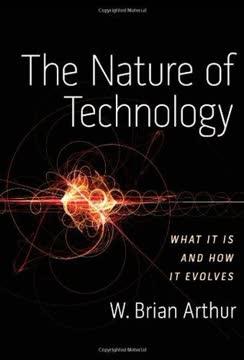
Book summary
Premium summary · Opens in the app · 30 min read
We live surrounded by technology. We wake to alarms on devices powered by lithium-ion batteries, communicate through invisible electromagnetic signals, travel in machines that convert chemical energy into motion, and rely on global networks of computation that would have seemed like magic just decades ago. Technology is so pervasive, so woven into the fabric of daily life, that we rarely stop to ask a simple question: what is it?
**Author:** W. Brian Arthur **Estimated Reading Time:** 45 minutes
**What You'll Learn:**
- Why technology is best understood as nature's phenomena captured and organized for human purposes - How all technologies emerge from combinations of existing technologies - What "domains" are and why they shape what becomes possible in any era - The real process of invention, stripped of mystery - Why technologies become more complex over time through structural deepening - How the economy is not a container for technology but an expression of it - Why we feel both hope and unease about the technological world we are building
**Who This Book Is For:**
This book is for anyone who has ever wondered what technology actually is. It is for engineers who build things and want a deeper understanding of their craft. It is for entrepreneurs and investors who need to understand how technological change actually works. It is for policymakers grappling with the consequences of innovation. And it is for curious readers who sense that technology is reshaping our world in ways we barely understand and want a clearer picture of the forces at work.
We live surrounded by technology. We wake to alarms on devices powered by lithium-ion batteries, communicate through invisible electromagnetic signals, travel in machines that convert chemical energy into motion, and rely on global networks of computation that would have seemed like magic just decades ago. Technology is so pervasive, so woven into the fabric of daily life, that we rarely stop to ask a simple question: what is it? Most of us, if pressed, would describe technology as a collection of things. Computers, cars, smartphones, airplanes, medical devices. Or perhaps we would describe it as applied science, the practical offspring of theoretical knowledge. These answers are not wrong, but they are incomplete. They describe technology's surface without touching its essence. W. Brian Arthur spent decades thinking about technology from the perspective of an economist. He studied how technologies compete in markets, how increasing returns allow one standard to dominate, and how technological change drives economic transformation. But the more he studied technology's effects, the more he realized that economists, and indeed most thinkers, lacked a coherent theory of what technology actually is. They treated technology as a black box, something that produces economic growth but whose internal nature remained unexamined. This book is Arthur's attempt to open that black box. The problem is significant. Without understanding what technology is, we cannot understand how it evolves. Without understanding its evolution, we cannot understand economic change. And without understanding economic change, we cannot make sense of the great transformations reshaping our world, from the rise of digital platforms to the promise and peril of…
Continue reading in the MinuteRead app
Get the complete 30-minute summary of The Nature of Technology
Get the complete summary in the appA technology is a phenomenon captured and put to use.
Technologies are combinations of technologies, creating a recursive structure from fundamental phenomena to complex syst
Domains are bodies of technology that shape what is possible in a given era.
Invention is a systematic process of linking needs with effects.
Structural deepening is the process by which technologies become more complex over time.
Technology evolves through combination, and the pace of innovation accelerates as more technologies exist.
"The Nature of Technology" is a strong fit if you want practical ideas around technology, science, economics, especially themes like a technology is a phenomenon captured and put to use; technologies are combinations of technologies, creating a recursive structure from fundamental phenomena to complex syst. The MinuteRead summary distills these concepts into a focused read, whether you're deciding whether to buy the book or applying its lessons at work.
William Brian Arthur is an economist renowned for his work on increasing returns and complexity theory. Based in Northern California, he has made significant contributions to understanding technology's role in economics and financial markets. Arthur's research focuses on how small, chance events can lead to one technology dominating a market, challenging traditional economic models. His expertise in complexity theory has been applied to various fields, including economics, technology, and financ…
View all summaries by W. Brian ArthurContinue Reading
Access the complete 30-minute summary and thousands more nonfiction books in the MinuteRead app.

Continue reading the complete summary in the MinuteRead app.