MinuteRead
30 min
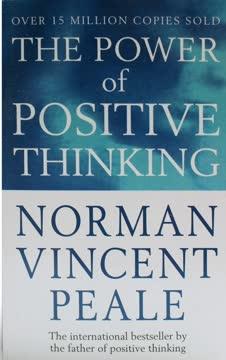
Book summary
Premium summary · Opens in the app · 30 min read
There is a quiet tragedy that plays out in millions of lives every day. It is not dramatic. It makes no headlines. It is simply this: people live far below their potential because they have never learned to manage the most powerful force in their possession, which is their own thinking.
**Author:** Norman Vincent Peale
**Estimated Reading Time:** 45 minutes
**What You'll Learn:** How to replace self-defeating thoughts with confident beliefs, break the destructive habit of worry, cultivate deep inner peace, and tap into spiritual energy that transforms every area of your life. You will learn practical techniques for prayer, visualization, and attitude control that have helped millions of people overcome obstacles and create meaningful success.
**Who This Book Is For:** Anyone who lies awake at night replaying tomorrow's problems. Anyone who feels held back by self-doubt or trapped in cycles of worry. Anyone who suspects that their thinking patterns might be the real obstacle standing between them and the life they want. And anyone ready to discover that faith, properly understood and applied, is not just a Sunday morning ritual but a practical force for daily transformation.
There is a quiet tragedy that plays out in millions of lives every day. It is not dramatic. It makes no headlines. It is simply this: people live far below their potential because they have never learned to manage the most powerful force in their possession, which is their own thinking. Norman Vincent Peale spent more than half a century watching this tragedy unfold from his pulpit at Marble Collegiate Church in Manhattan. He saw successful businessmen crippled by secret feelings of inadequacy. He saw talented women paralyzed by worry. He saw good people exhausted by inner turmoil they could not name and did not know how to fix. And he discovered something remarkable: the same principles that transformed broken spirits in his congregation worked with equal power on people who had no religious background at all. When Peale published this book in 1952, he did something unusual. He took ideas that had been discussed in theological circles for centuries and translated them into plain, practical language that anyone could use. He treated spiritual principles as reliable tools, not mysterious gifts reserved for the especially devout. He argued that faith could be approached scientifically: if you apply these principles consistently, you will see results. The book arrived at a moment when postwar America was anxious and searching. Millions of people had achieved material success but found it hollow. They had built careers and bought homes and started families, yet something was missing. Peale pointed to the missing element: a rich inner life, grounded in faith, expressed through disciplined thinking, and producing genuine peace and confidence. What makes this book endure is that human nature has not changed. We still wake up at three in the morning with our minds racing. We still talk ourselves out of opportunities before we try. We still let worry consume energy we could use for living. The techniques…
Continue reading in the MinuteRead app
Get the complete 30-minute summary of The Power of Positive Thinking
Get the complete summary in the appYour thoughts create your experience. Change your thoughts, and your life changes.
Believe in yourself with humble but reasonable confidence. Self-doubt is not humility; it is a distortion that prevents
Worry is a habit you can break. Use thought-stopping, replacement, and the worry box technique.
Pray specifically, affirmatively, and consistently. Prayer is a practical tool, not a religious formality.
Forgive everyone, including yourself. Resentment is poison you drink hoping the other person will die.
Happiness is an inside job. It comes from gratitude, service, simplicity, and love, not from perfect circumstances.
"The Power of Positive Thinking" is a strong fit if you want practical ideas around self help, psychology, personal development—especially themes like your thoughts create your experience. change your thoughts, and your life changes; believe in yourself with humble but reasonable confidence. self-doubt is not humility; it is a distortion that prevents. The MinuteRead summary distills these concepts into a focused read, whether you're deciding whether to buy the book or applying its lessons at work.
Norman Vincent Peale was an influential American minister and author who popularized the concept of positive thinking. Born in Ohio in 1898, he graduated from Ohio Wesleyan University and Boston University School of Theology. Initially ordained as a Methodist minister, Peale later joined the Reformed Church in America. He served as pastor of Marble Collegiate Church in Manhattan for 52 years, growing its membership from 600 to over 5000. Peale's most famous work, "The Power of Positive Thinking,…
View all summaries by Norman Vincent PealeContinue Reading
Access the complete 30-minute summary and thousands more nonfiction books in the MinuteRead app.

Continue reading the complete summary in the MinuteRead app.