MinuteRead
30 min
Book summary
by Min Ji Yoo
Premium summary · Opens in the app · 30 min read
Most people think about luck the wrong way. They imagine it as a lottery, a random distribution of good and bad fortune that falls upon people without reason or pattern. Some are born lucky. Others are not. This view is comforting because it relieves people of responsibility. If luck is random, then there is nothing to do but wait and hope.
**Author:** Min Ji Yoo **Estimated Reading Time:** 42 minutes
### What You'll Learn
You will learn why some people seem to attract good fortune while others remain stuck in cycles of misfortune. You will discover that luck is not a mystical force that descends upon the fortunate few. It is a trainable capacity of perception, interpretation, and action. You will learn specific practices drawn from Korean wisdom traditions that reshape how you notice opportunity, respond to setbacks, and cultivate the kind of presence that makes good things more likely to happen.
### Who This Book Is For
This book is for anyone who has ever looked at a lucky person and wondered what they know that you do not. It is for people tired of waiting for fortune to find them. It is for those who suspect that luck might be something you can get better at, not something you simply have or lack. It is for anyone ready to stop being a passive recipient of circumstance and start becoming an active participant in their own good fortune.
Most people think about luck the wrong way. They imagine it as a lottery, a random distribution of good and bad fortune that falls upon people without reason or pattern. Some are born lucky. Others are not. This view is comforting because it relieves people of responsibility. If luck is random, then there is nothing to do but wait and hope. Min Ji Yoo encountered a different understanding of luck growing up in Korea. In the traditions she inherited, luck was never understood as blind chance. It was understood as a relationship. A relationship between a person and the world around them. A relationship that could be cultivated, neglected, strengthened, or broken. This book is the product of that inheritance. Yoo draws on Korean shamanic traditions, Buddhist philosophy, and generations of folk wisdom to present a radically different view of fortune. In this view, luck is not something that happens to you. It is something you participate in creating. It is the ability to notice opportunity when it appears and the readiness to work with it when it arrives. The problem most people face is not that opportunities never come. The problem is that they are not prepared to see them or act on them when they do. They are distracted, discouraged, or locked into patterns of thinking that filter out possibility before it can register. They have, without knowing it, trained themselves to be unlucky. Yoo's approach is different from the self-help literature that tells you to visualize success and wait for the universe to deliver. She is not offering magical thinking dressed up in modern language. She is offering a…
Continue reading in the MinuteRead app
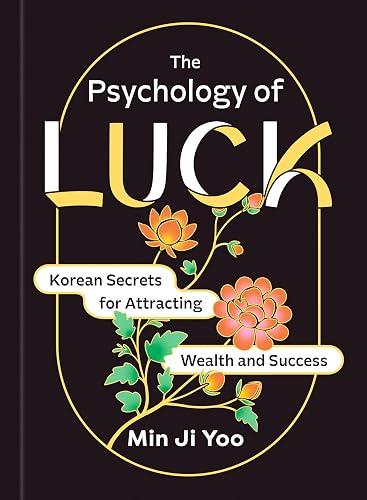
Get the complete 30-minute summary of The Psychology of Luck
Get the complete summary in the appLuck is a trainable skill, not a random distribution of fortune.
Pay attention. Most opportunities are missed because they were never seen.
Stay curious about coincidences. Dismiss nothing automatically.
Keep your life organized enough to act when opportunity appears.
Wish well for others and act on that wish. Goodwill returns.
When bad things happen, feel the pain fully. Then extract the lesson.
"The Psychology of Luck" is a strong fit if you want practical ideas around self help, especially themes like luck is a trainable skill, not a random distribution of fortune; pay attention. most opportunities are missed because they were never seen. The MinuteRead summary distills these concepts into a focused read, whether you're deciding whether to buy the book or applying its lessons at work.
Motivated to help readers with most people think about luck the wrong way. They imagine it as a lottery, Min Ji Yoo wrote “The Psychology of Luck” to package those ideas for a fast, focused read. In “The Psychology of Luck”, Min Ji Yoo focuses on most people think about luck the wrong way. They imagine it as a lottery. Through “The Psychology of Luck”, Min Ji Yoo distills the core ideas on self help into lessons readers can absorb in a single short sitting. Readers turn to this work when they wa…
View all summaries by Min Ji YooContinue Reading
Access the complete 30-minute summary and thousands more nonfiction books in the MinuteRead app.

Continue reading the complete summary in the MinuteRead app.