MinuteRead
30 min
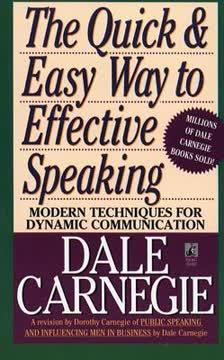
Book summary
Premium summary · Opens in the app · 30 min read
The fear of public speaking is one of the most common anxieties in the world. Surveys consistently show that people fear standing before an audience more than they fear heights, snakes, or even death. The thought of all those eyes watching, judging, waiting for you to stumble, can be paralyzing.
**Author:** Dale Carnegie
**Estimated Reading Time:** 45 minutes
**What You'll Learn:**
- How to build unshakable confidence before any audience - The secret to choosing topics that make you compelling - How to structure talks that people actually remember - The art of using stories to make ideas stick - How to connect with any audience, in any setting - Practical techniques to conquer nervousness permanently
**Who This Book Is For:**
Anyone who has ever felt their heart race at the thought of speaking in front of others. Whether you are delivering a boardroom presentation, giving a wedding toast, teaching a class, or simply wanting to express yourself more clearly in everyday conversation, this book will transform how you communicate.
The fear of public speaking is one of the most common anxieties in the world. Surveys consistently show that people fear standing before an audience more than they fear heights, snakes, or even death. The thought of all those eyes watching, judging, waiting for you to stumble, can be paralyzing. This fear is not new. It has haunted human beings for centuries. Yet the ability to speak effectively remains one of the most valuable skills a person can possess. Those who can stand before others and express their ideas clearly, persuasively, and with conviction hold an extraordinary advantage in every field of human endeavor. Dale Carnegie understood this truth deeply. Born into poverty on a Missouri farm in 1888, he watched his father struggle through floods, failed crops, and financial hardship. Young Dale attended a small teachers college where he was embarrassed by his shabby clothes and lack of social standing. He noticed that the students who won respect and admiration were not necessarily the smartest or the wealthiest. They were the ones who could speak well. He decided to become one of them. Carnegie threw himself into debate and public speaking competitions. He practiced relentlessly. He failed often. But gradually, through sheer persistence, he transformed himself from an awkward farm boy into a confident, articulate speaker. This personal transformation became the foundation of his life's work. After college, Carnegie worked as a salesman, an actor, and eventually as a teacher of public speaking at the YMCA in New York City. His classes became enormously popular because he did not teach theory. He taught practical techniques that ordinary people could use immediately. He taught nervous salesmen, shy secretaries, and uncertain managers how to stand up, open their mouths, and speak with genuine confidence. The book you are about to read distills Carnegie's decades of teaching experience into a practical guide for anyone who wants to become a better speaker. It is not a theoretical treatise on rhetoric. It is a…
Continue reading in the MinuteRead app
Get the complete 30-minute summary of The Quick & Easy Way to Effective Speaking
Get the complete summary in the app**Act confident and the feeling will follow.** Do not wait to feel ready. Stand tall, make eye contact, and speak clearl
**Prepare thoroughly.** Know your material so well that you can focus on your audience rather than on remembering what c
**Speak about what you know and love.** Your passion and expertise are your greatest assets as a speaker.
**Organize your talk clearly.** Use a simple structure with an introduction, three main points, and a conclusion. Limit
**Use stories and concrete examples.** People remember pictures, not abstractions. Make your ideas vivid and memorable.
**Focus on your audience.** People are interested chiefly in themselves. Speak to their needs and you will earn their at
"The Quick & Easy Way to Effective Speaking" is a strong fit if you want practical ideas around self help, communication, business, especially themes like **act confident and the feeling will follow.** do not wait to feel ready. stand tall, make eye contact, and speak clearl; **prepare thoroughly.** know your material so well that you can focus on your audience rather than on remembering what c. The MinuteRead summary distills these concepts into a focused read, whether you're deciding whether to buy the book or applying its lessons at work.
Dale Breckenridge Carnegie was an American writer and lecturer born in 1888 in Missouri. He developed famous courses in self-improvement, salesmanship, and public speaking. Carnegie's most renowned work, "How to Win Friends and Influence People," became a bestseller in 1936 and remains popular today. He began his career selling correspondence courses and later transitioned to teaching public speaking. Carnegie's success led him to write several books and establish the Dale Carnegie Institute. He…
View all summaries by Dale CarnegieContinue Reading
Access the complete 30-minute summary and thousands more nonfiction books in the MinuteRead app.

Continue reading the complete summary in the MinuteRead app.