MinuteRead
30 min
Book summary
Premium summary · Opens in the app · 30 min read
Imagine a pill that could sharpen your memory, calm your anxiety, lift your mood, boost your creativity, and protect your brain from the ravages of aging. Now imagine that this pill had no side effects, cost almost nothing, and was available to everyone on the planet. You would probably expect to see it on the front page of every newspaper. You would expect doctors to prescribe it constantly. You would expect it to be the most talked-about medical discovery of the century.
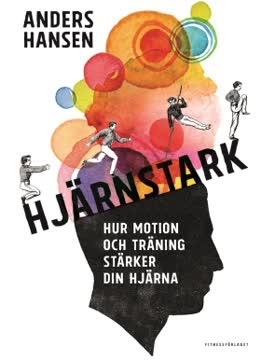
**Author:** Anders Hansen **Estimated Reading Time:** 45 minutes
**What You'll Learn:**
- Why your brain evolved for movement and what happens when you stop moving - How physical activity rewires your brain at the cellular level - The science behind exercise as a treatment for stress, anxiety, and depression - Why a single workout can sharpen your focus more effectively than caffeine - How movement protects your brain against aging and cognitive decline - Practical strategies to harness exercise for creativity, memory, and emotional resilience
**Who This Book Is For:**
This book is for anyone who has ever felt anxious, stressed, unfocused, or mentally exhausted. It is for people who want to understand why their brain sometimes feels like it is working against them. It is for those who have tried meditation, productivity systems, or medication but have overlooked the single most powerful tool for brain health available to every human being. It is also for parents, teachers, and leaders who want to help others think more clearly and feel more balanced.
Imagine a pill that could sharpen your memory, calm your anxiety, lift your mood, boost your creativity, and protect your brain from the ravages of aging. Now imagine that this pill had no side effects, cost almost nothing, and was available to everyone on the planet. You would probably expect to see it on the front page of every newspaper. You would expect doctors to prescribe it constantly. You would expect it to be the most talked-about medical discovery of the century. That pill exists. It is called physical activity. The problem is that most people do not think of exercise as medicine for the brain. They think of it as medicine for the body, and often as a chore. They exercise to lose weight, to build muscle, to improve cardiovascular health, or to look better in the mirror. These are all valid reasons, but they miss something far more profound. The most important benefits of exercise happen between your ears. Anders Hansen is a Swedish psychiatrist who spent years treating patients with depression, anxiety, and stress-related disorders. He prescribed medication, offered therapy, and watched many patients improve. But he also noticed something that troubled him. Many of his patients were physically inactive, and the ones who started exercising often improved faster and more dramatically than those who did not. He began digging into the research and discovered something remarkable: the scientific evidence for exercise as a brain treatment was overwhelming, yet almost no one was talking about it. The brain, Hansen explains, is not a static organ. It is constantly changing, rewiring itself, growing new cells, and adapting to its environment. This process is called neuroplasticity, and…
Continue reading in the MinuteRead app
Get the complete 30-minute summary of The Real Happy Pill
Get the complete summary in the appExercise is the most powerful tool for brain health available to every human being.
Physical activity triggers BDNF release, which grows new brain cells and strengthens connections.
Regular exercise is as effective as medication for mild to moderate depression.
A single workout improves focus, mood, and creativity for hours afterward.
Walking is one of the best exercises for the brain. It improves memory, creativity, and stress resilience.
Exercise reduces dementia risk by up to forty percent.
"The Real Happy Pill" is a strong fit if you want practical ideas around psychology, health, science, especially themes like exercise is the most powerful tool for brain health available to every human being; physical activity triggers bdnf release, which grows new brain cells and strengthens connections. The MinuteRead summary distills these concepts into a focused read, whether you're deciding whether to buy the book or applying its lessons at work.
Anders Hansen is a Swedish psychiatrist, author, and public speaker. He received his medical training at Karolinska Institutet and holds a degree from Stockholm Business School. Hansen has written several books translated into over 20 languages, focusing on the intersection of neuroscience, mental health, and lifestyle factors. His work extends beyond books, with over 2000 journalistic articles on medical research and a TEDx talk in 2017. Hansen's expertise in psychiatry and his ability to commu…
View all summaries by Anders HansenContinue Reading
Access the complete 30-minute summary and thousands more nonfiction books in the MinuteRead app.

Continue reading the complete summary in the MinuteRead app.