MinuteRead
30 min
Book summary
by Martha Davis
Premium summary · Opens in the app · 30 min read
Stress has become one of the most used and least understood words in the modern vocabulary. We say we are stressed about work, stressed about money, stressed about relationships. We describe our schedules as stressful and our commutes as stressful. We blame stress for our poor sleep, our short tempers, our overeating, and our exhaustion. Yet most of us have never learned what stress actually is, how it operates in our bodies, or what we can do about it beyond vague advice to relax or take a vaca
**Author:** Martha Davis, PhD
**Estimated Reading Time:** 45 minutes
**What You'll Learn:**
- Why stress is not your enemy but your body's ancient survival system - How to activate your body's built-in relaxation response at will - Proven techniques for calming your mind and releasing physical tension - How to identify and reframe the thoughts that amplify stress - Practical strategies for managing stress at work, in relationships, and in daily life - A complete 30-day plan for building lasting stress resilience
**Who This Book Is For:**
This book is for anyone who has ever felt overwhelmed by the demands of modern life. It is for the person who lies awake at night replaying conversations, the professional who feels perpetually behind, the parent juggling too many responsibilities, and the student facing constant pressure. It is also for those who do not think of themselves as stressed but who experience unexplained headaches, fatigue, irritability, or a nagging sense that something is missing. If you have a body and a mind, you experience stress. This book will teach you how to work with both.
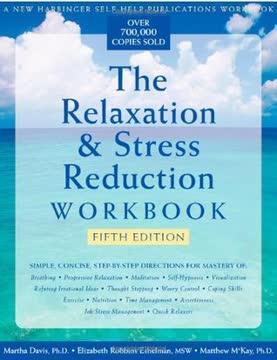
Stress has become one of the most used and least understood words in the modern vocabulary. We say we are stressed about work, stressed about money, stressed about relationships. We describe our schedules as stressful and our commutes as stressful. We blame stress for our poor sleep, our short tempers, our overeating, and our exhaustion. Yet most of us have never learned what stress actually is, how it operates in our bodies, or what we can do about it beyond vague advice to relax or take a vacation. This book exists because stress is not going away. The world continues to move faster. The demands on our attention multiply. The boundaries between work and home blur. The constant connectivity that was supposed to make life easier has instead created an environment where we are never truly off duty. In this context, learning to manage stress is not a luxury. It is a survival skill. The problem is that most people approach stress management the wrong way. They wait until they are already overwhelmed and then reach for quick fixes: a glass of wine, a streaming binge, a weekend away. These approaches may provide temporary relief, but they do not address the underlying patterns that generate stress in the first place. They are bandages on a wound that requires stitches. Martha Davis and her colleagues take a fundamentally different approach. Rather than offering a single technique or a one-size-fits-all solution, they provide a comprehensive toolkit. The Relaxation and Stress Reduction Workbook is built on a simple but profound premise: stress is a response that can be understood, managed, and…
Continue reading in the MinuteRead app
Get the complete 30-minute summary of The Relaxation and Stress Reduction Workbook
Get the complete summary in the appStress is your body's response to change, not the change itself. You can influence this response.
Deep breathing is the most accessible stress management tool. Practice it daily.
Progressive muscle relaxation teaches you to recognize and release tension. Use it before bed.
Visualization creates a mental sanctuary you can access anytime. Build yours today.
Mindfulness is present-moment awareness without judgment. Start with five minutes daily.
Your thoughts amplify or reduce stress. Challenge distorted thinking with evidence.
"The Relaxation and Stress Reduction Workbook" is a strong fit if you want practical ideas around self help, psychology, mental health, especially themes like stress is your body's response to change, not the change itself. you can influence this response; deep breathing is the most accessible stress management tool. practice it daily. The MinuteRead summary distills these concepts into a focused read, whether you're deciding whether to buy the book or applying its lessons at work.
Martha Davis PhD is a psychologist and author specializing in stress management and relaxation techniques. She co-authored The Relaxation and Stress Reduction Workbook, which has become a popular resource in the self-help genre. Davis has contributed to multiple editions of the book, demonstrating her ongoing commitment to helping people manage stress and anxiety. Her work combines scientific research with practical applications, making stress reduction techniques accessible to a wide audience. …
View all summaries by Martha DavisContinue Reading
Access the complete 30-minute summary and thousands more nonfiction books in the MinuteRead app.

Continue reading the complete summary in the MinuteRead app.