MinuteRead
30 min
Book summary
Premium summary · Opens in the app · 30 min read
For decades, the conventional wisdom seemed simple. Fat makes you fat. Eat less fat, and you will lose weight. Americans embraced this message with remarkable enthusiasm. Grocery store shelves filled with low-fat cookies, fat-free salad dressings, and reduced-fat snack foods. The food industry engineered thousands of products designed to remove fat while preserving taste, usually by adding sugar and refined carbohydrates.
**Author:** Arthur Agatston, MD
**Estimated Reading Time:** 45 minutes
**What You'll Learn:**
- Why the traditional low-fat diet advice failed an entire generation - The science of good carbs, good fats, and lean proteins - How interval training transforms your metabolism in minutes, not hours - A three-phase system that eliminates cravings before they sabotage you - The hidden danger of belly fat and how to reverse it - Practical strategies for eating well in any restaurant, cuisine, or life situation
**Who This Book Is For:**
Anyone who has tried diet after diet only to regain the weight. Anyone who feels confused by conflicting nutrition advice. Anyone who wants to understand how their body actually processes food and exercise. And anyone who is ready to stop dieting and start living with a sustainable approach to health.
For decades, the conventional wisdom seemed simple. Fat makes you fat. Eat less fat, and you will lose weight. Americans embraced this message with remarkable enthusiasm. Grocery store shelves filled with low-fat cookies, fat-free salad dressings, and reduced-fat snack foods. The food industry engineered thousands of products designed to remove fat while preserving taste, usually by adding sugar and refined carbohydrates. The result was a public health disaster. As fat consumption declined, obesity rates soared. Type 2 diabetes became an epidemic. Heart disease remained the leading cause of death. Something was profoundly wrong with the advice we had been given. Dr. Arthur Agatston witnessed this failure firsthand. As a cardiologist practicing in Miami Beach, he saw patients who followed the standard dietary recommendations diligently. They ate their low-fat meals, avoided butter and eggs, and chose fat-free products at the supermarket. Yet their weight kept climbing, their blood sugar kept rising, and their heart disease kept progressing. The problem, Agatston realized, was not fat itself. The problem was the type of carbohydrates these patients were eating in place of fat. Refined carbohydrates like white bread, white rice, pasta, and sugar were causing rapid spikes in blood sugar. These spikes triggered equally rapid crashes, which led to hunger, cravings, and overeating. The cycle repeated day after day, year after year. Agatston began researching the glycemic index and the effects of different foods on blood sugar. He studied how the body processes various types of carbohydrates, proteins, and fats. What he discovered challenged the foundation of mainstream dietary advice. Not all carbohydrates are created equal. Some, like vegetables and whole grains, are digested slowly and provide steady energy. Others, like white bread and sugar, hit the bloodstream almost immediately, causing the insulin spikes that drive hunger and fat storage. Not all fats are harmful. The unsaturated fats found in olive oil, nuts, and avocados actually improve heart…
Continue reading in the MinuteRead app
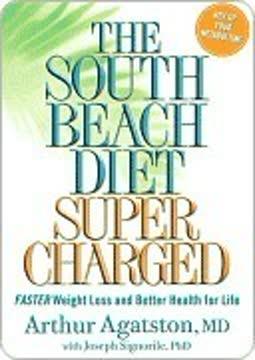
Get the complete 30-minute summary of The South Beach Diet Supercharged
Get the complete summary in the appEat good carbohydrates: vegetables, legumes, whole grains, and fruits. Avoid refined carbohydrates that spike blood suga
Include lean proteins at every meal to support satiety and muscle maintenance.
Choose healthy fats from olive oil, nuts, and avocados. Avoid trans fats and limit saturated fats.
Use Phase 1 to break the craving cycle by eliminating refined carbohydrates for two weeks.
Reintroduce carbohydrates gradually in Phase 2, paying attention to how your body responds.
Make Phase 3 a permanent lifestyle, not a temporary diet.
"The South Beach Diet Supercharged" is a strong fit if you want practical ideas around health, cooking, food, especially themes like eat good carbohydrates: vegetables, legumes, whole grains, and fruits. avoid refined carbohydrates that spike blood suga; include lean proteins at every meal to support satiety and muscle maintenance. The MinuteRead summary distills these concepts into a focused read, whether you're deciding whether to buy the book or applying its lessons at work.
Arthur Agatston is an American cardiologist renowned for developing the South Beach Diet and contributing to noninvasive cardiac diagnostics. Born in 1947, he earned his MD from New York University School of Medicine in 1973. Agatston's research led to the creation of the Agatston Score for measuring coronary artery calcium. He began his career at NYU Medical Center before moving to Mount Sinai Medical Center & Miami Heart Institute in Miami Beach, Florida, where he became director of the Non-In…
View all summaries by Arthur AgatstonContinue Reading
Access the complete 30-minute summary and thousands more nonfiction books in the MinuteRead app.

Continue reading the complete summary in the MinuteRead app.