MinuteRead
30 min
Book summary
Premium summary · Opens in the app · 30 min read
Every spring, millions of gardeners till their soil, plant their rows, and begin the annual battle against weeds, pests, and depleted earth. They buy fertilizers to feed hungry plants, pesticides to kill unwanted insects, and herbicides to control stubborn weeds. They water constantly, work hard, and still wonder why their harvests disappoint them year after year.
**Author:** Christopher Shein
**Estimated Reading Time:** 45 minutes
**What You'll Learn:**
How to transform your vegetable garden into a thriving, self-sustaining ecosystem that produces abundant food while caring for the earth. You will discover the ethical foundation of permaculture, practical techniques for building healthy soil, methods for designing efficient garden zones, the art of creating food forests, and strategies for saving seeds and building community.
**Who This Book Is For:**
Home gardeners who want to move beyond conventional gardening methods. Anyone curious about permaculture but unsure how to apply it to a vegetable garden. Experienced growers looking to reduce their workload while increasing their harvests. People who care about sustainability, biodiversity, and creating a more resilient food system in their own backyard.
Every spring, millions of gardeners till their soil, plant their rows, and begin the annual battle against weeds, pests, and depleted earth. They buy fertilizers to feed hungry plants, pesticides to kill unwanted insects, and herbicides to control stubborn weeds. They water constantly, work hard, and still wonder why their harvests disappoint them year after year. The problem is not the gardener. The problem is the system. Conventional vegetable gardening treats the garden as a blank slate to be controlled and dominated. The soil is stripped and turned. Plants are arranged in neat, isolated rows. Anything that was not intentionally planted is considered an enemy. This approach fights against nature rather than working with it, and nature always wins in the end. The result is a garden that requires constant inputs of labor, water, and chemicals just to stay alive. Christopher Shein offers a different path. As an experienced permaculture designer and educator based in California, he has spent decades showing home gardeners how to create food-producing landscapes that mimic the resilience and abundance of natural ecosystems. His approach does not ask you to work harder. It asks you to work smarter by understanding how nature already operates. Permaculture, a term coined in the 1970s by Australians Bill Mollison and David Holmgren, combines "permanent" and "agriculture." It is a design system rooted in the observation of natural patterns. Forests do not need anyone to till their soil, apply fertilizer, or spray for pests. They thrive because they are diverse, layered, and self-regulating. Permaculture asks a simple question: what if your vegetable garden worked more like a forest? The answer is transformative. When you build healthy soil instead of feeding plants with chemicals, your vegetables become more resilient. When you plant diverse communities instead of isolated rows, pests and diseases lose their foothold. When you capture rainwater and mulch heavily, your garden needs far less irrigation. When you include perennial plants alongside your annuals, you create structure and stability…
Continue reading in the MinuteRead app
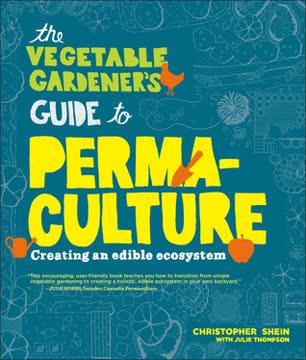
Get the complete 30-minute summary of The Vegetable Gardener's Guide to Permaculture
Get the complete summary in the appPermaculture is grounded in three ethics: care for the earth, care for people, and fair share.
Observe your site before making changes. Work with natural patterns of sun, water, and wind.
Build healthy soil through composting, mulching, cover crops, and no-till methods.
Design your garden in zones based on how often you visit each area.
Create plant guilds where species support each other through complementary functions.
Integrate perennials and annuals for structure and flexibility.
"The Vegetable Gardener's Guide to Permaculture" is a strong fit if you want practical ideas around gardening, food, how to, especially themes like permaculture is grounded in three ethics: care for the earth, care for people, and fair share; observe your site before making changes. work with natural patterns of sun, water, and wind. The MinuteRead summary distills these concepts into a focused read, whether you're deciding whether to buy the book or applying its lessons at work.
크리스토퍼 샤인 은 캘리포니아를 기반으로 활동하는 경험 많은 퍼머컬처 디자이너이자 교육자입니다. 그는 지속 가능한 정원 가꾸기 실천을 촉진하고 자신의 지식을 다른 사람들과 공유하는 데 평생을 바쳤습니다. 샤인의 퍼머컬처 전문성은 그의 글에서 잘 드러나며, 이는 가정 정원사들을 위한 실용적인 적용에 중점을 둡니다. 그의 접근법은 자연과 협력하여 생산적이고 유지 관리가 적은 정원을 만드는 것을 강조합니다. 저자로서 샤인은 복잡한 개념을 이해하기 쉽게 설명하는 능력으로 잘 알려져 있으며, 퍼머컬처 원칙을 초보자들에게 더 접근 가능하게 만듭니다. 그의 작업은 종종 시각적 요소를 포함하여 독자들이 퍼머컬처 기술을 자신의 정원에 적용하도록 영감을 줍니다.
View all summaries by Christopher SheinContinue Reading
Access the complete 30-minute summary and thousands more nonfiction books in the MinuteRead app.

Continue reading the complete summary in the MinuteRead app.