MinuteRead
30 min
Book summary
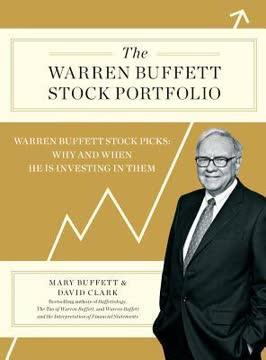
by Mary Buffett
Premium summary · Opens in the app · 30 min read
Most books about Warren Buffett describe his philosophy. They tell you to buy wonderful companies at fair prices, to hold for the long term, and to be fearful when others are greedy. This is good advice, but it is incomplete. Knowing that Buffett likes companies with competitive advantages does not tell you how to find them. Knowing he reads annual reports does not tell you what he looks for inside them.
**Author:** Mary Buffett **Estimated Reading Time:** 45 minutes
This book reveals the specific investment criteria Warren Buffett uses to select stocks for his permanent portfolio. You will learn how to identify companies with durable competitive advantages, how to value them using Buffett's equity bond concept, and how to recognize the financial signatures that separate great businesses from mediocre ones. The book walks through the actual holdings in Berkshire Hathaway's portfolio and explains exactly why each company earned a place there.
This book is for investors who want to move beyond vague principles and understand the concrete, repeatable process behind Buffett's stock selection. If you have ever wondered what Buffett actually looks at when he reads an annual report, or how he decides what price to pay, this book provides the answers. It assumes basic familiarity with financial statements but explains every concept clearly enough that motivated beginners can follow along.
Most books about Warren Buffett describe his philosophy. They tell you to buy wonderful companies at fair prices, to hold for the long term, and to be fearful when others are greedy. This is good advice, but it is incomplete. Knowing that Buffett likes companies with competitive advantages does not tell you how to find them. Knowing he reads annual reports does not tell you what he looks for inside them. Mary Buffett, former daughter-in-law of Warren Buffett and a longtime student of his methods, wrote this book to close that gap. She had a front-row seat to how Buffett thinks and what he actually does when analyzing a company. The book is not a collection of abstract principles. It is a practical manual built around the actual stocks in Berkshire Hathaway's portfolio. The problem most investors face is not a lack of information. Annual reports, financial statements, and earnings calls are all publicly available. The problem is knowing what matters and what does not. A typical annual report runs over a hundred pages. Most of it is noise. Buffett has trained himself to find the signal, and this book teaches you to do the same. The topic matters because stock picking has a terrible reputation, and deservedly so. Most professional money managers fail to beat the market over long periods. Most individual investors do even worse. They chase hot stocks, panic during downturns, and trade too frequently. The result is a trail of underperformance, stress, and regret. But Buffett's track record proves that a disciplined, patient approach to selecting individual stocks can work spectacularly well. The key is knowing what to look for. What makes Buffett's approach different is its specificity. He does not buy a company because he likes the product or has a good feeling about the…
Continue reading in the MinuteRead app
Get the complete 30-minute summary of The Warren Buffett Stock Portfolio
Get the complete summary in the appBuy stocks when nobody else wants them. Market panics create the best opportunities.
Look for companies with durable competitive advantages. Their financial statements will show consistent earnings, high r
Value stocks as equity bonds. Calculate the earnings yield, estimate conservative growth, and project future returns.
Consumer monopolies with strong brand loyalty produce the most predictable earnings.
Share repurchases create value when made at prices below intrinsic value. Check whether the share count is actually decl
In banking, quality matters more than price. Look for conservative underwriting and strong deposit franchises.
"The Warren Buffett Stock Portfolio" is a strong fit if you want practical ideas around finance, business, money, especially themes like buy stocks when nobody else wants them. market panics create the best opportunities; look for companies with durable competitive advantages. their financial statements will show consistent earnings, high r. The MinuteRead summary distills these concepts into a focused read, whether you're deciding whether to buy the book or applying its lessons at work.
Mary Buffett is a bestselling author, international speaker, and entrepreneur. She has written seven bestselling books, including "Buffettology" co-authored with David Clark. Buffett is a frequent guest on major financial news networks and has spoken at prestigious organizations worldwide. Her diverse business experience includes consulting for Fortune 500 companies, working as an executive at Columbia Records, and co-founding music and post-production companies. Buffett has also taught Business…
View all summaries by Mary BuffettContinue Reading
Access the complete 30-minute summary and thousands more nonfiction books in the MinuteRead app.

Continue reading the complete summary in the MinuteRead app.