MinuteRead
30 min
Book summary
by Benjamin Franklin
Premium summary · Opens in the app · 30 min read
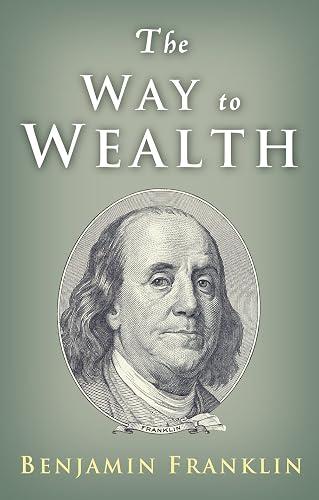
In the summer of 1757, Benjamin Franklin found himself waiting for a ship. He was in his early fifties, already famous as a printer, scientist, and civic leader. The ship was delayed, and Franklin, never one to waste time, sat down to write a preface for the final edition of Poor Richard's Almanac, the annual publication he had produced for twenty-five years.
**Author:** Benjamin Franklin **Estimated Reading Time:** 45 minutes
**What You'll Learn:**
- Why industry and frugality form the foundation of lasting wealth - How debt operates as a quiet form of slavery - Why small expenses matter more than large ones - How reputation functions as financial capital - What it means to build wealth with purpose and virtue
**Who This Book Is For:**
Anyone who wants to understand the timeless principles of money, work, and character. Whether you are building a career, starting a business, paying off debt, or planning for the future, Franklin's wisdom speaks across centuries with surprising directness.
In the summer of 1757, Benjamin Franklin found himself waiting for a ship. He was in his early fifties, already famous as a printer, scientist, and civic leader. The ship was delayed, and Franklin, never one to waste time, sat down to write a preface for the final edition of Poor Richard's Almanac, the annual publication he had produced for twenty-five years. That preface became The Way to Wealth, one of the most widely reprinted pieces of American writing ever produced. It is short enough to read in a single sitting, yet dense enough to reward a lifetime of reflection. In it, Franklin gathered the best sayings about money, work, thrift, and character from his almanac and wove them into a single narrative. The result reads like a conversation between an old man and a crowd of people waiting for a market to open. The scene Franklin creates is memorable. A crowd gathers outside a merchant's door, complaining about the hard times. Taxes are too high. Money is too scarce. The economy is unfair. Into this chorus of grievances steps Father Abraham, an old man who speaks plainly. He tells them that the problem is not the times. The problem is their own conduct. He then delivers a torrent of proverbs about industry, frugality, prudence, and self-discipline. The crowd listens. They nod. They agree with everything he says. And then, Franklin notes with characteristic wit, they immediately do the opposite. They go straight into the merchant's shop and spend money they do not have on things they do not need. That image captures something essential about human nature. We know what we should do. We simply fail to do it. Franklin's genius was not in discovering new truths about money. It was in packaging old truths so memorably that they could not be ignored. He understood that people do not need more information. They need reminders. They need vivid images. They need short sentences that stick in the mind and surface at the moment of decision. The world has changed dramatically since Franklin wrote. We have credit cards,…
Continue reading in the MinuteRead app
Get the complete 30-minute summary of The Way to Wealth and Other Writings on Finance
Get the complete summary in the appWealth comes from character, not circumstance. Cultivate industry, frugality, prudence, and honesty, and wealth will fol
Time is the raw material of wealth and life. Use it deliberately and purposefully.
Debt is a form of slavery. Avoid it, and if you have it, eliminate it as quickly as possible.
Small expenses matter more than large ones. A small leak will sink a great ship.
Knowledge is the best investment. It cannot be lost or devalued, and it pays the best interest.
Reputation is capital. Build it slowly through trustworthy behavior and protect it fiercely.
"The Way to Wealth and Other Writings on Finance" is a strong fit if you want practical ideas around finance, self help, business, especially themes like wealth comes from character, not circumstance. cultivate industry, frugality, prudence, and honesty, and wealth will fol; time is the raw material of wealth and life. use it deliberately and purposefully. The MinuteRead summary distills these concepts into a focused read, whether you're deciding whether to buy the book or applying its lessons at work.
Motivated to help readers with "Industry need not wish, Benjamin Franklin wrote “The Way to Wealth and Other Writings on Finance” to package those ideas for a fast, focused read. In “The Way to Wealth and Other Writings on Finance”, Benjamin Franklin focuses on "Industry need not wish. Through “The Way to Wealth and Other Writings on Finance”, Benjamin Franklin distills the core ideas on finance into lessons readers can absorb in a single short sitting. Readers turn to this work when they want B…
Continue Reading
Access the complete 30-minute summary and thousands more nonfiction books in the MinuteRead app.

Continue reading the complete summary in the MinuteRead app.