MinuteRead
30 min
Book summary
Premium summary · Opens in the app · 30 min read
Most personal finance books fail for a simple reason. They assume that if people just had the right information, they would make better decisions. They present budgets, spreadsheets, and formulas as if the only obstacle between readers and financial success is a lack of technical knowledge.
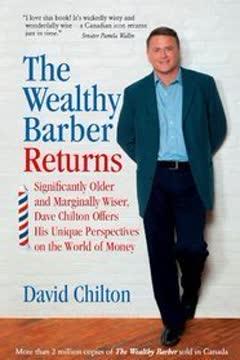
**Author:** David Chilton
**Estimated Reading Time:** 45 minutes
**What You'll Learn:**
- Why saving money is harder today than ever before, and what to do about it - How to build wealth without becoming a financial expert - The truth about credit, debt, and the spending habits that quietly destroy financial futures - Why index investing beats trying to outsmart the market - How to choose between RRSPs and TFSAs with confidence - Practical strategies for balancing retirement savings with education costs
**Who This Book Is For:**
This book is for anyone who has ever felt overwhelmed by financial advice, confused by investment options, or frustrated by the gap between what they know they should do and what they actually do with their money. It is for Canadians navigating their unique savings vehicles, but the principles apply universally. It is for people who want to build wealth without sacrificing the joy of living.
The central argument of The Wealthy Barber Returns is deceptively simple: financial success is not about how much you earn. It is about how much you keep. And keeping money requires understanding and managing your own behavior more than understanding complex financial products. Chilton returns again and again to this theme. He has met wealthy people with modest incomes and broke people with enormous salaries. The difference was never intelligence or financial sophistication. The difference was habits. The wealthy savers had built systems that automatically directed money toward savings before they had a chance to spend it. The broke high-earners had fallen into patterns of spending that expanded to consume whatever they earned. This insight matters because it shifts the focus from financial knowledge to financial behavior. Most people do not need to learn more about money. They need to change how they interact with money. They need to recognize the psychological forces that drive them to overspend and the social pressures that make them feel inadequate if they do not keep up with their neighbors. Chilton identifies several key behavioral challenges that undermine financial success. The first is the human tendency to prioritize present pleasure over future security. This is not a moral failing. It is how our brains are wired. We are descended from ancestors who lived in an environment of scarcity where immediate consumption made sense. Delaying gratification for decades is a relatively new requirement of modern life, and our brains have not caught up. The second challenge is social comparison. We are constantly bombarded with images of other people's lives. Social media, advertising, and even casual conversations with friends create a sense that everyone else is doing better than we are. This drives spending on things we do not need to impress people…
Continue reading in the MinuteRead app
Get the complete 30-minute summary of The Wealthy Barber Returns
Get the complete summary in the appPay yourself first. Set up automatic transfers so saving happens before spending.
Live below your means. Spend less than you earn, regardless of how much you earn.
Start saving now. Time is the most powerful variable in wealth building. Every year of delay reduces the final result.
Avoid credit card debt. Pay off balances in full every month. High-interest debt is a silent wealth destroyer.
Invest in low-cost index funds. Most active managers fail to beat the market. Accept market returns and minimize costs.
Prioritize experiences over possessions. Experiences bring more lasting happiness per dollar than possessions.
"The Wealthy Barber Returns" is a strong fit if you want practical ideas around finance, personal finance, business, especially themes like pay yourself first. set up automatic transfers so saving happens before spending; live below your means. spend less than you earn, regardless of how much you earn. The MinuteRead summary distills these concepts into a focused read, whether you're deciding whether to buy the book or applying its lessons at work.
David Chilton is a Canadian author and television personality known for his personal finance books. He gained prominence with his bestseller "The Wealthy Barber" in 1989, which sold over two million copies. Chilton's writing style is characterized by its accessibility and humor, making complex financial concepts understandable to the average reader. He has appeared on the CBC television show "Dragons' Den" as an investor and continues to be a respected voice in Canadian personal finance. Chilton…
View all summaries by David ChiltonContinue Reading
Access the complete 30-minute summary and thousands more nonfiction books in the MinuteRead app.

Continue reading the complete summary in the MinuteRead app.