MinuteRead
30 min
Book summary
Premium summary · Opens in the app · 30 min read
There is a moment every parent and teacher knows intimately. A child is on the floor, tears streaming, limbs flailing. Maybe it happened because the banana broke in half. Maybe a sibling looked at them the wrong way. Maybe no one can identify the trigger at all. In that moment, the adult brain races through options: reason, distract, bribe, threaten, walk away, give in. None of them feel right. Most of them make things worse.
**Author:** Alyssa Blask Campbell
**Estimated Reading Time:** 45 minutes
**What You'll Learn:**
- Why most emotional coaching fails before it begins - How to regulate yourself before attempting to regulate a child - A five-phase method for processing any big emotion - Why forced apologies teach lying rather than empathy - How to set boundaries that build trust instead of resistance - What to do when your own childhood patterns hijack your parenting
**Who This Book Is For:**
Parents, teachers, caregivers, and anyone who has ever stood in front of a screaming toddler and felt completely unequipped. If you have ever wondered why your calm explanations do nothing to stop a meltdown, or why you sometimes react in ways that surprise and shame you, this book was written for you.
There is a moment every parent and teacher knows intimately. A child is on the floor, tears streaming, limbs flailing. Maybe it happened because the banana broke in half. Maybe a sibling looked at them the wrong way. Maybe no one can identify the trigger at all. In that moment, the adult brain races through options: reason, distract, bribe, threaten, walk away, give in. None of them feel right. Most of them make things worse. Alyssa Blask Campbell has spent her career in exactly these moments. She has sat on classroom floors with screaming toddlers, coached parents through bedtime battles, and trained educators who were burning out from the emotional demands of working with young children. Along the way, she discovered something that upended her understanding of emotional development. The problem is not the child's emotions. The problem is that most adults were never taught how to process their own. Children are not born knowing how to regulate their nervous systems. They arrive in the world with big feelings and zero tools. They depend entirely on the adults around them to provide what neuroscience calls co-regulation: the process of borrowing a calm nervous system until they can build their own. But here is the uncomfortable truth. Most adults do not have a calm nervous system to lend. They were raised in homes where feelings were dismissed, punished, or ignored. They learned to suppress, distract, or numb. They became fluent in coping mechanisms but never learned coping strategies. When a child melts down, it activates something deep in the adult's own nervous system. The screaming triggers memories of being shamed for crying. The defiance triggers fears of being a bad parent. The chaos triggers a desperate need for control. Before the adult can respond thoughtfully, their own survival brain has taken over. They yell, threaten, or shut down. Then they feel terrible. Then they promise to do better. Then it happens…
Continue reading in the MinuteRead app
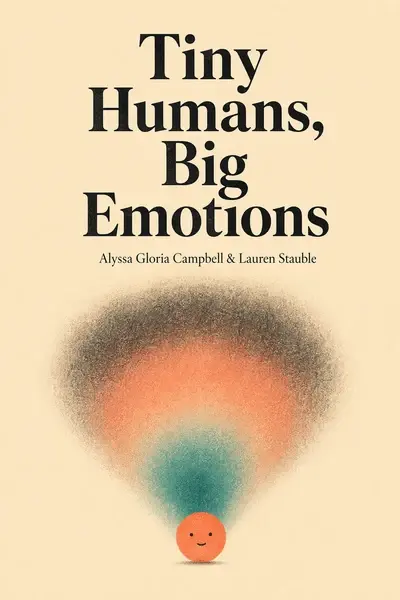
Get the complete 30-minute summary of Tiny Humans, Big Emotions
Get the complete summary in the app**Calm before teach.** A dysregulated child cannot learn. Regulate the nervous system first.
**Work on yourself first.** Eighty percent of this method is about the adult's own emotional development.
**Follow the phases.** Allow, name, secure, cope, then move on. Do not skip steps.
**Find the yes.** Tell children what they can do, not just what they cannot.
**Connection before correction.** Attention-seeking is connection-seeking. Fill the cup.
**Own your feelings.** Say "I'm feeling angry" instead of "You're making me angry."
"Tiny Humans, Big Emotions" is a strong fit if you want practical ideas around inspiration, parenting, self help, especially themes like **calm before teach.** a dysregulated child cannot learn. regulate the nervous system first; **work on yourself first.** eighty percent of this method is about the adult's own emotional development. The MinuteRead summary distills these concepts into a focused read, whether you're deciding whether to buy the book or applying its lessons at work.
Alyssa Blask Campbell is an expert in child development and emotional intelligence. She co-founded Seed & Sow, an organization dedicated to teaching Collaborative Emotion Processing (CEP). Campbell's work focuses on helping adults understand and manage their own emotions to better support children's emotional growth. Her approach emphasizes creating a safe environment for children to experience and process their feelings. Campbell's expertise is based on extensive research and practical experien…
View all summaries by Alyssa Blask CampbellContinue Reading
Access the complete 30-minute summary and thousands more nonfiction books in the MinuteRead app.

Continue reading the complete summary in the MinuteRead app.