MinuteRead
30 min
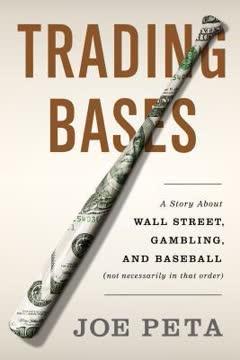
Baseball has always been a game of numbers. Batting averages, home runs, earned run averages, and wins have defined how fans understand the sport for over a century. But for most of baseball history, those numbers told an incomplete story. They measured outcomes without explaining the underlying skills that produced them. They rewarded players for circumstances beyond their control and punished others for bad luck. They created a fog of misinformation that affected everything from Hall of Fame v
**Author:** Joe Peta
**Estimated Reading Time:** 45 minutes
**What You'll Learn:**
- How a Wall Street trader applied quantitative analysis to Major League Baseball - Why traditional baseball statistics mislead fans, teams, and bettors - The core sabermetric tools that reveal true player and team value - How to build a predictive model for baseball outcomes - The principles of risk management that separate successful bettors from gamblers - Why market inefficiencies exist in sports betting and how to exploit them
**Who This Book Is For:**
This book is for anyone who loves baseball and wants to understand it more deeply. It is for investors and traders who recognize that the principles of financial markets apply to sports. It is for bettors who want to move beyond hunches and develop a disciplined, analytical approach. And it is for curious readers who enjoy seeing how data transforms a beloved American pastime.
Baseball has always been a game of numbers. Batting averages, home runs, earned run averages, and wins have defined how fans understand the sport for over a century. But for most of baseball history, those numbers told an incomplete story. They measured outcomes without explaining the underlying skills that produced them. They rewarded players for circumstances beyond their control and punished others for bad luck. They created a fog of misinformation that affected everything from Hall of Fame voting to World Series odds. Then came a revolution. In the late twentieth century, a night security guard named Bill James began asking uncomfortable questions about baseball statistics. Why did batting average ignore walks? Why did RBIs credit a hitter for the work of the batters before him? Why did a pitcher's win-loss record depend so heavily on run support from his offense? James developed new metrics that attempted to measure what actually happened on the field, isolating individual contributions from team context. He called his approach sabermetrics, named after the Society for American Baseball Research. For years, sabermetrics remained a niche pursuit, dismissed by baseball insiders as the work of outsiders who never played the game. Then the Oakland Athletics, under general manager Billy Beane, used these principles to build a competitive team with one of the lowest payrolls in baseball. The Moneyball era had begun. Front offices across the league hired analysts, embraced new metrics, and transformed how players were evaluated and deployed. Joe Peta watched this transformation from an unusual vantage point. He was not a baseball executive or a sportswriter. He was a Wall Street trader who spent years analyzing financial markets, managing risk, and searching for inefficiencies that could generate profit. When a serious accident left him bedridden for months, he turned his analytical mind to his…
Continue reading in the MinuteRead app
Get the complete 30-minute summary of Trading Bases
Get the complete summary in the appFocus on skills, not outcomes. Traditional statistics measure results; sabermetrics measures the abilities that produce
Cluster luck explains many apparent changes in team performance. Teams that score fewer runs than expected are likely to
SIERA predicts future ERA better than ERA itself. Use it to identify pitchers who are better or worse than their surface
PECOTA projects player performance based on historical comparisons. Trust projections over naive extrapolation from the
Expected value is the foundation of profitable betting. Only bet when the estimated probability of winning exceeds the i
Limit each bet to 1 to 2 percent of your bankroll. Risk management is more important than analysis.
"Trading Bases" is a strong fit if you want practical ideas around sports, baseball, finance, especially themes like focus on skills, not outcomes. traditional statistics measure results; sabermetrics measures the abilities that produce; cluster luck explains many apparent changes in team performance. teams that score fewer runs than expected are likely to. The MinuteRead summary distills these concepts into a focused read, whether you're deciding whether to buy the book or applying its lessons at work.
Joe Peta grew up in West Chester, PA, developing a love for baseball from his Italian-American father. Despite aspiring to play professionally, he pursued a career in finance, earning an MBA from Stanford. Peta's passion for sports and numbers led him to write "Trading Bases," which became a bestseller in both Baseball and Business categories. He has since authored two more books, including "Moneyball for the Money Set." Peta's writing often incorporates his interests in sports, finance, and pop…
View all summaries by Joe PetaContinue Reading
Access the complete 30-minute summary and thousands more nonfiction books in the MinuteRead app.

Continue reading the complete summary in the MinuteRead app.