MinuteRead
30 min
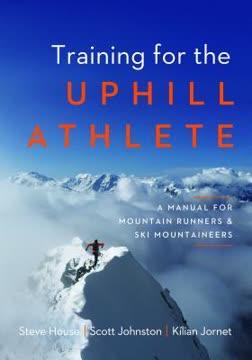
Book summary
by Steve House
Premium summary · Opens in the app · 30 min read
Every year, thousands of mountain athletes lace up their shoes, clip into their skis, or shoulder their packs with ambitious goals. They sign up for trail races, plan ski traverses, and dream of moving faster and farther through the mountains. Most of them train hard. Many of them train consistently. Yet few of them ever reach their potential.
**Author:** Steve House (with Scott Johnston and Kilian Jornet)
**Estimated Reading Time:** 45 minutes
**What You'll Learn:** - Why aerobic base training is the foundation of all endurance performance - How to structure training for mountain sports using heart rate zones - The role of strength training, recovery, and mental preparation - How to periodize your year for peak performance - Practical nutrition and hydration strategies for long efforts
**Who This Book Is For:** Mountain runners, ski mountaineers, climbers, and anyone who wants to move efficiently uphill. Whether you're training for your first trail race or preparing for a major alpine objective, this book provides the framework to build lasting endurance.
Every year, thousands of mountain athletes lace up their shoes, clip into their skis, or shoulder their packs with ambitious goals. They sign up for trail races, plan ski traverses, and dream of moving faster and farther through the mountains. Most of them train hard. Many of them train consistently. Yet few of them ever reach their potential. The reason is rarely a lack of effort. It is almost always a lack of understanding. The world of endurance training is filled with noise. Social media showcases gut-wrenching interval sessions and heroic long days. Magazines celebrate the athlete who "left it all out there" in a workout. The message seems clear: to get faster, you must suffer more. Push harder. Go deeper into the red. This message is not just wrong. It is counterproductive. Steve House, Scott Johnston, and Kilian Jornet wrote *Training for the Uphill Athlete* to correct a fundamental misunderstanding that plagues mountain sports. After decades of combined experience as world-class athletes and coaches, they observed the same pattern repeatedly: talented, motivated athletes sabotaging their own progress by training too hard, too often, in the wrong ways. The problem is particularly acute in mountain sports. Unlike road cycling or track running, where the terrain is predictable and the metrics are clean, mountain athletes face constantly changing conditions. Vertical gain, technical terrain, altitude, weather, and the need to carry equipment all complicate the training picture. The uphill athlete must develop not just cardiovascular fitness but also muscular endurance, technical skill, and mental resilience. Yet beneath all this complexity lies a simple truth: endurance performance is built on aerobic capacity. And aerobic capacity is built slowly, patiently, through hours of relatively easy training. This idea runs counter to our cultural obsession with intensity. We want results now. We want to feel like we're working hard. We want the satisfaction of finishing a workout completely exhausted. But the authors argue that this mindset leads to stagnation, injury, and burnout. The athlete who constantly trains hard is like a farmer who plants…
Continue reading in the MinuteRead app
Get the complete 30-minute summary of Training for the Uphill Athlete
Get the complete summary in the appBuild your aerobic base first. Spend 80 to 90 percent of training time in Zones 1 and 2.
Training is the effect of work on your body, not the work itself. Adaptation happens during recovery.
Avoid the gray zone. Training at moderate intensity produces mediocre results.
Strength train for sport performance and injury prevention, not gym strength.
Recovery is an active component of training. Plan it as carefully as workouts.
Mental skills can be trained. Practice visualization, mindfulness, and process goals.
"Training for the Uphill Athlete" is a strong fit if you want practical ideas around health & fitness, sports, fitness, especially themes like build your aerobic base first. spend 80 to 90 percent of training time in zones 1 and 2; training is the effect of work on your body, not the work itself. adaptation happens during recovery. The MinuteRead summary distills these concepts into a focused read, whether you're deciding whether to buy the book or applying its lessons at work.
Steve House is a highly accomplished mountain athlete and coach. He co-authored "Training for the Uphill Athlete" with Scott Johnston and Kilian Jornet, drawing on their extensive experience in endurance sports and coaching. House is known for his expertise in mountaineering and has made significant contributions to the field of endurance training. His approach emphasizes building a strong aerobic base and tailoring training plans to individual needs. House's writing combines scientific knowledg…
View all summaries by Steve HouseContinue Reading
Access the complete 30-minute summary and thousands more nonfiction books in the MinuteRead app.

Continue reading the complete summary in the MinuteRead app.