MinuteRead
30 min
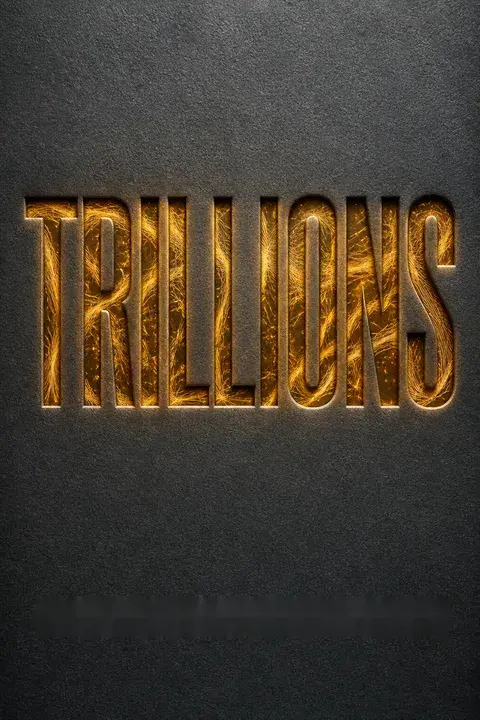
Book summary
by Robin Wigglesworth
Premium summary · Opens in the app · 30 min read
In 2007, Warren Buffett made a bet. He wagered one million dollars that a simple, low-cost index fund tracking the S&P 500 would outperform a handpicked selection of hedge funds over the following decade. The hedge fund industry, which manages trillions of dollars and charges enormous fees for the privilege, was confident it would win. After all, hedge funds employ the smartest minds in finance. They have access to sophisticated trading strategies, complex derivatives, and information ordinary i
**Author:** Robin Wigglesworth
**Estimated Reading Time:** 90 minutes
**What You'll Learn:**
- How a fringe academic idea became the dominant force in global finance - Why most professional money managers fail to beat the market - The forgotten pioneers who built the index fund revolution - How passive investing reshaped Wall Street, corporate governance, and the global economy - What the rise of index funds means for your own financial future
**Who This Book Is For:**
Anyone who has ever wondered whether their financial advisor is earning their fees. Anyone who has felt overwhelmed by investment choices. Anyone curious about how a simple idea, that you cannot beat the market, grew into a multi-trillion-dollar industry that now shapes capitalism itself.
In 2007, Warren Buffett made a bet. He wagered one million dollars that a simple, low-cost index fund tracking the S&P 500 would outperform a handpicked selection of hedge funds over the following decade. The hedge fund industry, which manages trillions of dollars and charges enormous fees for the privilege, was confident it would win. After all, hedge funds employ the smartest minds in finance. They have access to sophisticated trading strategies, complex derivatives, and information ordinary investors can only dream of. How could a dumb index fund possibly compete? Ten years later, the result was not even close. The index fund returned 125.8 percent. The hedge funds returned 36.3 percent. Buffett donated his winnings to charity, and the financial world was forced to confront an uncomfortable truth: when trillions of dollars are managed by Wall Streeters charging high fees, it is usually the managers who reap outsized profits, not the clients. This was not a new discovery. The idea that most professional investors cannot beat the market has been hiding in plain sight for over a century. A French mathematician discovered it in 1900. A Chicago economist proved it in the 1960s. A small group of renegade investors built an entire industry around it in the 1970s. And today, that industry, passive investing, manages more money than any other investment strategy in history. This book tells the story of how that happened. It is a story of academic outsiders who challenged the foundations of Wall Street. It is a story of stubborn visionaries who were mocked for years before being vindicated. It is a story of how a simple insight, that markets are hard to beat, became a multi-trillion-dollar revolution that has reshaped the global economy. The stakes could not be higher. The rise of index funds has saved ordinary investors billions of dollars in fees. It has democratized access to diversified portfolios that were once available only to the wealthy. It has forced the entire asset management industry…
Continue reading in the MinuteRead app
Get the complete 30-minute summary of Trillions
Get the complete summary in the appMost professional investors fail to beat the market over the long term.
Costs matter enormously. Minimize fees.
Diversification reduces risk without sacrificing return.
Past performance does not predict future performance.
Own the market through a low-cost index fund.
Index funds work by matching the market, not trying to beat it.
"Trillions" is a strong fit if you want practical ideas around finance, history, business, especially themes like most professional investors fail to beat the market over the long term; costs matter enormously. minimize fees. The MinuteRead summary distills these concepts into a focused read, whether you're deciding whether to buy the book or applying its lessons at work.
Motivated to help readers with when trillions of dollars are managed by Wall Streeters charging high fees, Robin Wigglesworth wrote “Trillions” to package those ideas for a fast, focused read. In “Trillions”, Robin Wigglesworth focuses on when trillions of dollars are managed by Wall Streeters charging high fees. Through “Trillions”, Robin Wigglesworth distills the core ideas on finance into lessons readers can absorb in a single short sitting. Readers turn to this work when they want Robin Wigg…
Continue Reading
Access the complete 30-minute summary and thousands more nonfiction books in the MinuteRead app.

Continue reading the complete summary in the MinuteRead app.