MinuteRead
30 min
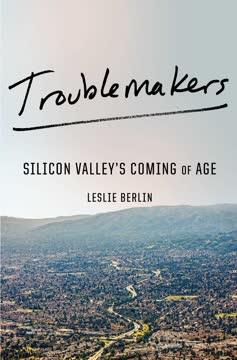
In 1969, the narrow peninsula south of San Francisco was not yet called Silicon Valley. It was a quiet place of fruit orchards and small electronics firms, a manufacturing center where engineers in short-sleeved shirts built components for the military and large corporations. The region smelled of apricots and plums. The population was modest. The future was not obvious.
**Author:** Leslie Berlin **Estimated Reading Time:** 65 minutes
**What You'll Learn**
The true story of how Silicon Valley became the world's most powerful engine of innovation. This book reveals the seven pivotal years between 1969 and 1976 when a handful of determined outsiders, misfits, and visionaries launched industries that now define modern life: personal computing, video games, biotechnology, and modern venture capital. You will meet the people who built the future while everyone else said it could not be done.
**Who This Book Is For**
Anyone who wants to understand how innovation actually happens. Entrepreneurs who need to see what real startup chaos looks like. Investors trying to recognize world-changing ideas before they are obvious. And anyone curious about the human beings behind the technologies we now take for granted.
In 1969, the narrow peninsula south of San Francisco was not yet called Silicon Valley. It was a quiet place of fruit orchards and small electronics firms, a manufacturing center where engineers in short-sleeved shirts built components for the military and large corporations. The region smelled of apricots and plums. The population was modest. The future was not obvious. Seven years later, everything had changed. Between 1969 and 1976, this unremarkable stretch of California land produced the most concentrated burst of technological innovation in modern history. During those seven years, the foundational technologies of the personal computer were developed. The video game industry was born. Genetic engineering moved from science fiction to commercial reality. A new model of venture capital emerged that would fund thousands of startups. And a generation of entrepreneurs learned that they could build companies on their own terms, without permission from established institutions. Leslie Berlin's "Troublemakers" tells the story of this extraordinary period through the lives of seven individuals who made it happen. These are not the famous names you already know. They are the people who worked alongside the famous names, who took the risks that made the famous names possible, and whose contributions have been largely forgotten. There is Bob Taylor, the psychologist who ran Xerox PARC's computer science lab and assembled the team that invented the personal computer as we know it. There is Mike Markkula, the quiet millionaire who wrote the business plan that turned two kids in a garage into Apple Computer. There is Sandy Kurtzig, a young mother who started a software company in her spare bedroom and became the first woman to take a technology company public. There is Fawn Alvarez, who began her career on an assembly line and rose into management, navigating a world that had no place for women like her. There is Nolan Bushnell, the carnival barker of the video game age, who built Atari…
Continue reading in the MinuteRead app
Get the complete 30-minute summary of Troublemakers
Get the complete summary in the appInnovation comes from troublemakers, outsiders who refuse to accept that something cannot be done simply because it has
The lone genius is a myth. Every breakthrough requires multiple people with complementary skills.
Directed freedom is the most effective way to manage creative people. Hire exceptional talent, provide resources, and pr
Technology is only as valuable as the experience it creates for users. People do not buy technology. They buy what techn
You do not need permission to start. Act first. Ask for forgiveness later. Results are the best argument for any course
Being underestimated is an advantage. Use low expectations to your benefit.
"Troublemakers" is a strong fit if you want practical ideas around history, technology, business, especially themes like innovation comes from troublemakers, outsiders who refuse to accept that something cannot be done simply because it has; the lone genius is a myth. every breakthrough requires multiple people with complementary skills. The MinuteRead summary distills these concepts into a focused read, whether you're deciding whether to buy the book or applying its lessons at work.
Leslie Berlin is a respected historian specializing in Silicon Valley's history. She serves as the Project Historian for the Silicon Valley Archives at Stanford University. Berlin's work is known for its meticulous research and engaging storytelling. Her first book, "The Man Behind the Microchip," a biography of Robert Noyce, was highly acclaimed. In "Troublemakers," Berlin continues to explore the lives of influential figures in tech history, focusing on lesser-known individuals who played sign…
View all summaries by Leslie BerlinContinue Reading
Access the complete 30-minute summary and thousands more nonfiction books in the MinuteRead app.

Continue reading the complete summary in the MinuteRead app.