MinuteRead
30 min
Book summary
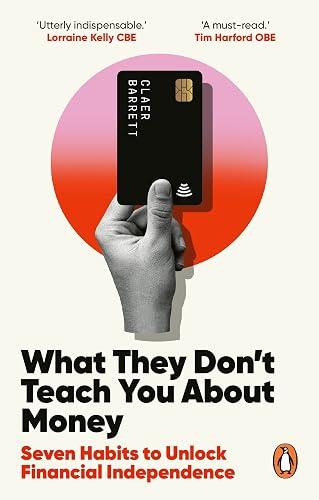
by Claer Barrett
Premium summary · Opens in the app · 30 min read
Most of us were never taught how to manage money. We learned algebra, the periodic table, and the dates of historical battles, but nobody sat us down and explained how compound interest works, how to read a payslip, or why we feel a strange mix of guilt and excitement when we spend. We entered adulthood expected to navigate credit cards, pensions, mortgages, and tax codes without a map, and then we wondered why we felt lost.
**Author:** Claer Barrett
**Estimated Reading Time:** 45 minutes
**What You'll Learn**
The hidden emotional forces that drive your financial decisions, why your money habits formed long before you earned your first paycheck, and how to build a practical system that puts you in control. You will discover how to spend with intention, save without pain, tackle debt strategically, invest with confidence, and talk about money without fear.
**Who This Book Is For**
Anyone who has ever felt anxious checking their bank balance, confused by financial jargon, or ashamed that they do not have their money figured out. Whether you are just starting your financial journey or have been managing money for decades, this book will help you understand what is really going on in your financial life and give you the tools to change it.
The central idea of this book is deceptively simple: money is a tool, not a measure of your worth. When you learn to see it clearly, without the emotional fog that surrounds it, you can use it to build the life you want. When you remain trapped in emotional reactions, money will always feel like a source of anxiety, shame, or conflict. This idea matters because most people never examine their relationship with money. They inherit it. They absorb attitudes from parents who argued about bills or never discussed finances at all. They internalize messages from a culture that equates spending with happiness and wealth with virtue. They develop coping mechanisms that feel natural but often work against their long-term interests. Consider the person who grew up in a household where money was always scarce. As an adult, they might hoard money obsessively, unable to enjoy the fruits of their labor because spending feels dangerous. Or they might do the opposite, spending freely because they never learned to trust that money would be there tomorrow. Both responses come from the same root: fear. Now consider the person who grew up in a wealthy household where money was never discussed. They might feel ashamed of their privilege and avoid engaging with their finances altogether. Or they might assume that money will always be there and fail to plan for a future that might not match their past. Neither pattern is rational. Both are understandable. The work of financial maturity is recognizing these patterns and choosing to respond differently. Barrett introduces the concept of financial personalities as a tool for this self-examination. These archetypes, with names like Spendy Wendy, Yolo, Goblin, Spreadsheet Slave, Jitterbug, and Ostrich, are not meant to be rigid categories. They are mirrors that help us see our tendencies more clearly. Most people recognize aspects of themselves in several archetypes. The point is not…
Continue reading in the MinuteRead app
Get the complete 30-minute summary of What They Don't Teach You About Money
Get the complete summary in the appMoney is deeply emotional; understanding your emotional patterns is the first step toward financial wellbeing.
Automate your finances so good decisions happen without requiring willpower.
Pay yourself first by transferring money to savings on payday.
Clear high-interest debt before investing; the interest on credit cards is likely higher than any investment return.
Build an emergency fund of three to six months' expenses before pursuing other financial goals.
Start investing as early as possible, even if you can only start small; compound interest rewards time.
"What They Don't Teach You About Money" is a strong fit if you want practical ideas around finance, money, self help, especially themes like money is deeply emotional; understanding your emotional patterns is the first step toward financial wellbeing; automate your finances so good decisions happen without requiring willpower. The MinuteRead summary distills these concepts into a focused read, whether you're deciding whether to buy the book or applying its lessons at work.
Motivated to help readers with learning to be more rational and thinking of money as a tool can power our future financial success and, Claer Barrett wrote “What They Don't Teach You About Money” to package those ideas for a fast, focused read. In “What They Don't Teach You About Money”, Claer Barrett focuses on learning to be more rational and thinking of money as a tool can power our future financial success and. Through “What They Don't Teach You About Money”, Claer Barrett distills the core …
Continue Reading
Access the complete 30-minute summary and thousands more nonfiction books in the MinuteRead app.

Continue reading the complete summary in the MinuteRead app.