MinuteRead
30 min
Book summary
Premium summary · Opens in the app · 30 min read
There is a fairytale that most of us grew up believing. It goes something like this: Go to school, get good grades, find a secure job, work hard, save money, buy a house, invest in a diversified portfolio of stocks and bonds, and eventually retire comfortably. This story has been told by parents, teachers, financial advisors, and politicians for generations. It sounds reasonable. It feels safe. And for a long time, for many people, it worked.
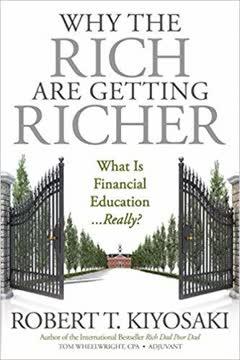
**Author:** Robert T. Kiyosaki **Estimated Reading Time:** 45 minutes
The real reasons the gap between rich and poor continues to widen, why traditional financial advice is failing millions of people, and the specific financial education principles that can help you move from working for money to having money work for you.
Anyone who senses that the old rules of money no longer apply. If you have followed the conventional path of getting a good education, finding a secure job, saving money, and investing for the long term, yet still feel financially stuck, this book explains why. It is for people ready to question what they were taught about money and willing to learn a different set of rules.
There is a fairytale that most of us grew up believing. It goes something like this: Go to school, get good grades, find a secure job, work hard, save money, buy a house, invest in a diversified portfolio of stocks and bonds, and eventually retire comfortably. This story has been told by parents, teachers, financial advisors, and politicians for generations. It sounds reasonable. It feels safe. And for a long time, for many people, it worked. But the fairytale is over. The world changed dramatically in 1971 when President Richard Nixon took the United States dollar off the gold standard. That single decision, made quietly and with little public understanding, transformed the global financial system. Money became a political tool rather than a store of value. Governments could now print unlimited amounts of currency. Inflation became a permanent feature of economic life. The rules of money changed, but the advice most people received never did. The result is the growing chasm between rich and poor that defines our era. The rich are not getting richer simply because they are greedy or lucky. They are getting richer because they understand the new rules of money. They speak a different financial language. They operate in a different part of the economy. Meanwhile, millions of hardworking, well-educated people continue to follow advice designed for a world that no longer exists. Consider the student loan crisis. Millions of young people did exactly what they were told. They went to college, borrowed money to pay for it, and expected that a degree would lead to a good job that would allow them to pay off the debt. Instead, many graduated into a weak job market with degrees that did not command the salaries they expected. They now carry debt that cannot be discharged in bankruptcy and that follows them for life. They followed the fairytale and fell into the chasm. Consider the retirement crisis. Workers have been told for decades to save money in 401(k) plans and…
Continue reading in the MinuteRead app
Get the complete 30-minute summary of Why the Rich Are Getting Richer
Get the complete summary in the app**Financial education is the real difference between rich and poor.** The rich understand money in ways that others do n
**An asset puts money in your pocket. A liability takes money out.** Focus on acquiring assets that generate passive inc
**Savers are losers.** Inflation erodes the value of savings. Use money to acquire assets instead of saving it.
**Debt can make you rich if used correctly.** Good debt acquires assets. Bad debt acquires liabilities.
**The tax code favors the rich.** Earn passive income to pay lower taxes. Work with a tax strategist to minimize your ta
**Market crashes create opportunities.** Prepare in advance. Buy assets at discounted prices when others are panicking.
"Why the Rich Are Getting Richer" is a strong fit if you want practical ideas around finance, business, money, especially themes like **financial education is the real difference between rich and poor.** the rich understand money in ways that others do n; **an asset puts money in your pocket. a liability takes money out.** focus on acquiring assets that generate passive inc. The MinuteRead summary distills these concepts into a focused read, whether you're deciding whether to buy the book or applying its lessons at work.
Robert Toru Kiyosaki is an American businessman and author, best known for his Rich Dad Poor Dad series. He founded the Rich Dad Company and Rich Global LLC, the latter filing for bankruptcy in 2012. Kiyosaki has faced legal challenges, including a class action lawsuit from seminar attendees and investigations by media outlets. His financial advice and seminars have been subject to criticism and controversy. In 2024, Kiyosaki revealed he was over $1 billion in debt, raising questions about his f…
View all summaries by Robert T. KiyosakiContinue Reading
Access the complete 30-minute summary and thousands more nonfiction books in the MinuteRead app.

Continue reading the complete summary in the MinuteRead app.