MinuteRead
30 min
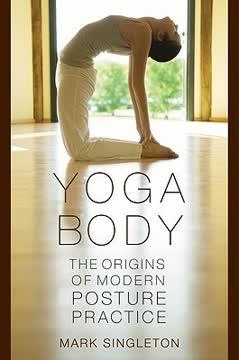
Walk into any yoga studio in London, New York, or Mumbai and you will encounter a familiar scene. Students move through sequences of postures on sticky mats. Instructors adjust alignment with anatomical precision. The body is stretched, strengthened, and toned. Health, flexibility, and physical well-being are the stated goals. The atmosphere may include Sanskrit chanting or references to ancient wisdom, but the core activity is undeniably physical.
**Author:** Mark Singleton
**Estimated Reading Time:** 45 minutes
**What You'll Learn:**
How modern postural yoga emerged not from ancient tradition but from a fascinating collision of Indian nationalism, Western physical culture, and colonial-era social pressures. You will discover why the yoga practiced in studios worldwide today bears little resemblance to historical yoga, and how that transformation happened in just a few decades.
**Who This Book Is For:**
This book is for yoga practitioners curious about the true origins of their practice, for students of cultural history interested in how traditions are invented and reinvented, and for anyone who has ever wondered whether the poses they perform in a modern studio have ancient roots. It is also for those who appreciate rigorous scholarship that challenges comfortable assumptions.
Walk into any yoga studio in London, New York, or Mumbai and you will encounter a familiar scene. Students move through sequences of postures on sticky mats. Instructors adjust alignment with anatomical precision. The body is stretched, strengthened, and toned. Health, flexibility, and physical well-being are the stated goals. The atmosphere may include Sanskrit chanting or references to ancient wisdom, but the core activity is undeniably physical. Most practitioners assume they are participating in a tradition that stretches back thousands of years. They believe the postures they perform were handed down through generations of yogis in an unbroken lineage. The practice, they imagine, represents an ancient Indian science of the body, preserved and transmitted through the centuries. Mark Singleton's research tells a different story. The yoga practiced in studios around the world today is not ancient. It is not a direct continuation of the yoga described in classical texts like the Yoga Sutras of Patanjali. It is not even primarily derived from the hatha yoga traditions of medieval India, despite the name. Instead, modern postural yoga is a product of the late nineteenth and early twentieth centuries, created through a complex interplay of Indian nationalism, Western physical culture movements, and colonial-era anxieties about the Indian body. This claim may sound provocative, even offensive to practitioners who have been told their practice has ancient roots. But Singleton's argument is not an attack on yoga. It is an invitation to understand yoga's actual history, which is far more interesting than the myth of timeless tradition. The story begins in colonial India, where traditional hatha yogis had become marginalized figures. Wandering ascetics who practiced extreme physical disciplines were viewed with suspicion by British administrators and Indian elites alike. They were seen as threatening, dirty, and backward. The respectable middle classes wanted nothing to do with them. At the same time, a new global phenomenon was emerging. Physical culture movements swept across Europe and America, promoting gymnastics, bodybuilding,…
Continue reading in the MinuteRead app
Get the complete 30-minute summary of Yoga Body
Get the complete summary in the appModern postural yoga is not ancient. It emerged in the early twentieth century through a synthesis of Indian yoga tradit
Traditional hatha yogis were marginalized during the colonial period, seen as dirty, superstitious, and socially deviant
Colonial scholars created a version of yoga that emphasized philosophy and dismissed physical practice.
Indian nationalists claimed yoga as India's indigenous physical culture, using it to challenge colonial stereotypes.
Modern yoga drew on multiple sources, including Scandinavian gymnastics, bodybuilding, and women's fitness traditions.
Photography played a crucial role in creating the modern yoga body, standardizing postures and creating new aesthetic id
"Yoga Body" is a strong fit if you want practical ideas around health & fitness, history, health, especially themes like modern postural yoga is not ancient. it emerged in the early twentieth century through a synthesis of indian yoga tradit; traditional hatha yogis were marginalized during the colonial period, seen as dirty, superstitious, and socially deviant. The MinuteRead summary distills these concepts into a focused read, whether you're deciding whether to buy the book or applying its lessons at work.
Mark Singleton is a yoga scholar and practitioner known for his groundbreaking research on the history of modern yoga. He holds a PhD in Divinity from the University of Cambridge and has taught at St. John's College. Singleton's work focuses on the evolution of yoga in the 20th century, particularly the development of postural yoga practices. He has authored several books and articles on yoga history and philosophy, challenging traditional narratives about yoga's origins. Singleton's research co…
View all summaries by Mark SingletonContinue Reading
Access the complete 30-minute summary and thousands more nonfiction books in the MinuteRead app.

Continue reading the complete summary in the MinuteRead app.