MinuteRead
30 min
Book summary
by Tom Standage
Premium summary · Opens in the app · 5 min read
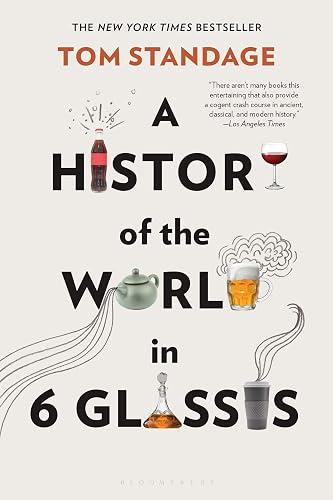
A History Of The World In 6 Glasses will give you some great conversation starters at your next party by teaching you the origins and impact of the worlds six favorite drinks, including beer, wine, alcoholic spirits, tea, coffee, and soda.
A History Of The World In 6 Glasses will give you some great conversation starters at your next party by teaching you the origins and impact of the worlds six favorite drinks, including beer, wine, alcoholic spirits, tea, coffee, and soda.
So you might like beer, but do you know who invented it and how? The truth is, this influential drink wasn’t invented but instead discovered. To learn how, we need to take a look all the way back to about 10,000 BC, or the end of the Ice Age.
The location is the Fertile Crescent, or what we now know as Egypt and the Middle East. The people at this time and place are producing cereal grains in large quantities. They found that malt came from soaking grains in water. Using this malt to make gruel and giving it a few days to ferment turned it into a drink that was fizzy and intoxicating.
The taste of and feeling people got from this new drink made them want more of it. This is where the desire to settle and eventually begin agriculture began. Hunting and gathering didn’t allow humans to store food very easily. But as their want for beer and other grain products grew, the desire to have grain constantly did also.
Not long later, mankind made the discovery that storing grains let them have a constant supply. Farming quickly became more popular, and so did beer. Eventually, the drink became a symbol of hospitality and civilized life. If it weren’t for this influential drink, the growth of Homo sapiens may have taken a lot longer.
Fast-forward now to the Middle Ages. As alcoholic drinks became popular, more people began drinking them throughout the day. For intellectuals this wasn’t great, but it was better than taking a risk with drinking water, which was often contaminated. Then coffee came to Europe from the Arab world and a better solution for scientists and scholars was here. Because it requires boiling, coffee was just as safe as alcohol, but without the negative mental and emotional side-effects. Not only that, but it also had the opposite effect of making it’s consumers more alert. This was an additional benefit to merchants, clerks, scientists, and all sorts of intellectuals. It wasn’t long before the rise of coffeehouses began offsetting the previously popular alcoholic-centered taverns. Due to the intelligent people that often came, these places quickly became hubs for political debates. Supporters of Charles II, for example, often met to discuss helping his return to being king in 1660. Coffeehouses had a major effect on the end of Oliver Cromwell’s rule. These places for coffee-lovers to gather may have also contributed significantly to the beginning…
Continue reading in the MinuteRead app
Get the complete 5-minute summary of A History Of The World In 6 Glasses
Get the complete summary in the appIf it weren’t for the discovery of beer, mankind may not have become farmers as quickly.
Coffee is a product of the Middle Ages, and was useful for intellectuals who didn’t want to be intoxicated all day.
Coca-Cola was originally medicinal but it’s use as a refreshing drink spread rapidly after Americans began drinking and sharing it regularly.
"A History Of The World In 6 Glasses" is a strong fit if you want practical ideas around culture, history, society, especially themes like if it weren’t for the discovery of beer, mankind may not have become farmers as quickly; coffee is a product of the middle ages, and was useful for intellectuals who didn’t want to be intoxicated all day. The MinuteRead summary distills these concepts into a focused read, whether you're deciding whether to buy the book or applying its lessons at work.
Tom Standage is deputy editor of The Economist, overseeing its strategy and output on digital platforms, including the web, apps, audio, video and social media. He joined The Economist in 1998 and previously served as Digital Editor, Business Affairs Editor, Business Editor, Technology Editor and Science Correspondent. He is a regular radio commentator and keynote speaker on technology trends, and takes a particular interest in the social and cultural impact of technology. Tom is also the author…
View all summaries by Tom StandageContinue Reading
Access the complete 5-minute summary and thousands more nonfiction books in the MinuteRead app.

Continue reading the complete summary in the MinuteRead app.