MinuteRead
30 min
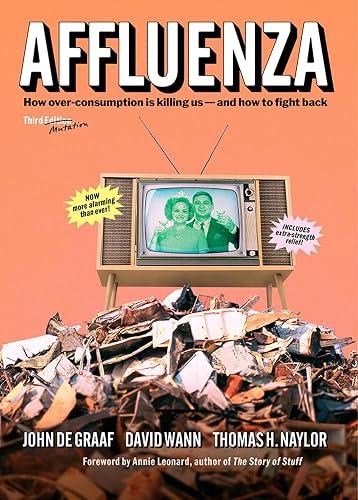
Affluenza asserts that the reason we are so unhappy is because of our obsession with consumption and the sickness that it brings upon ourselves and the world around us as well.
Affluenza asserts that the reason we are so unhappy is because of our obsession with consumption and the sickness that it brings upon ourselves and the world around us as well.
Have you ever been really excited about getting the brand new version of a smartphone? When you buy it and open it, it can feel exhilarating. But after a couple days with the new phone, it’s no longer exciting because the novelty has worn off. This is just one example of how buying things only created a momentary satisfaction, but it will never make us happy.
In fact, the more stuff we buy, the less happy we tend to be. Why? Because the more stuff we consume, the harder we have to work to keep up with our consumption. This leaves us with less time to do the things that actually make us happy, like spending time with family or friends.
With the rise of the industrial revolution, productivity increased dramatically. In 1965, the US Senate predicted that by 2000, the average working week would be 14-22 hours. But instead, most of us work long hours so we can keep up with ever-increasing spending habits.
No wonder we’re to busy to spend time with our kids. Most parents now spend the majority of the precious time they do have with their kids flopping down on the couch and watching TV with them.
Couples are spending less time socializing with each other. The author calls this cocooning. We compensate for our unhappiness by buying things because we don’t have the time to build meaningful relationships. But we all know there is no way to buy happiness. The only way to break this vicious cycle is to seek out what we really need: connections with the people around is and with nature.
So how can we fight this plague? The first is coming clean with yourself. Come to terms with the fact that buying things will never make you happy while buying less actually can. Science has actually proved this. A 1995 survey found that 86 percent of people who voluntarily cut their consumption down reported being happier. The author suggests buying less and trying to get more out of what you do have. Young professionals in Seattle have actually opted to live in tiny apartments, nicknamed “apodments” so they can fight cocooning. Because they’re so small, it forces them to get out and be social and to be in nature. Living in this day and age of technology isn’t all bad. It allows us to more easily connect with others. Support from others who struggle with over-consumption can be the key to solving the issue. Online, it can be easy…
Continue reading in the MinuteRead app
Get the complete 5-minute summary of Affluenza
Get the complete summary in the appIf you think you need the latest version of the iPhone to be happy, you’re trying to cover your misery but you’re only making it worse.
Buying less stuff will make you happier.
Education about media tactics and undermining its influence on you are the immunization against the affluenza virus.
"Affluenza" is a strong fit if you want practical ideas around culture, environment, future, especially themes like if you think you need the latest version of the iphone to be happy, you’re trying to cover your misery but you’re only making it worse; buying less stuff will make you happier. The MinuteRead summary distills these concepts into a focused read, whether you're deciding whether to buy the book or applying its lessons at work.
Motivated to help readers with affluenza asserts that the reason we are so unhappy is because of our obsession with consumption and the, John de Graaf wrote “Affluenza” to package those ideas for a fast, focused read. In “Affluenza”, John de Graaf focuses on affluenza asserts that the reason we are so unhappy is because of our obsession with consumption and the. Through “Affluenza”, John de Graaf distills the core ideas on environment into lessons readers can absorb in a single short sitting. Re…
View all summaries by John de GraafContinue Reading
Access the complete 5-minute summary and thousands more nonfiction books in the MinuteRead app.

Continue reading the complete summary in the MinuteRead app.