MinuteRead
30 min
Book summary
by Allen Carr
Premium summary · Opens in the app · 30 min read
There is a peculiar kind of misery that accompanies emotional eating. It is not the misery of hunger, nor the misery of poverty, nor the misery of illness. It is the misery of feeling out of control in your own body. It is the misery of watching yourself reach for food you know will make you feel worse, eating it anyway, and then feeling ashamed afterward. It is the misery of promising yourself that tomorrow will be different, only to find that tomorrow looks exactly like today.
**Author:** Allen Carr
**Estimated Reading Time:** 45 minutes
**What You'll Learn:**
* Why emotional eating is not a character flaw but a psychological trap * How the "pleasure" you feel from junk food is actually relief from a cycle of discomfort * Why willpower and gradual reduction keep you trapped * How to change your mindset so that freedom feels effortless * A practical path to becoming a happy, healthy eater immediately
**Who This Book Is For:**
This book is for anyone who has ever found themselves reaching for food when they were sad, stressed, bored, or anxious. It is for people who have tried diets, meal plans, and sheer willpower only to find themselves back in the same cycle. It is for those who feel guilty about their eating habits and believe they lack discipline. If you have ever thought, "I know what I should eat, but I just can't seem to do it," this book was written for you.
There is a peculiar kind of misery that accompanies emotional eating. It is not the misery of hunger, nor the misery of poverty, nor the misery of illness. It is the misery of feeling out of control in your own body. It is the misery of watching yourself reach for food you know will make you feel worse, eating it anyway, and then feeling ashamed afterward. It is the misery of promising yourself that tomorrow will be different, only to find that tomorrow looks exactly like today. Millions of people live in this cycle. They wake up each morning with fresh determination. They will eat clean. They will resist temptation. They will finally get their eating under control. And for a few hours, or perhaps a few days, they succeed. But then something happens. A stressful email arrives. A difficult conversation occurs. A wave of boredom or loneliness washes over them. And suddenly, they find themselves standing in the kitchen, or pulling into a drive-through, or opening a bag of something they swore they would not touch. The strange part is that they are not hungry. They know they are not hungry. But they eat anyway. And afterward, they feel worse. The guilt arrives. The self-criticism begins. They tell themselves they have failed, that they lack willpower, that something is wrong with them. This is the emotional eating trap. Allen Carr spent his life studying traps like this. He was a heavy smoker for more than three decades, consuming up to a hundred cigarettes a day. He tried to quit countless times using willpower. He tried cutting down. He tried substitutes. Nothing worked. Then he had a realization that changed everything. He saw that the reason quitting was so…
Continue reading in the MinuteRead app
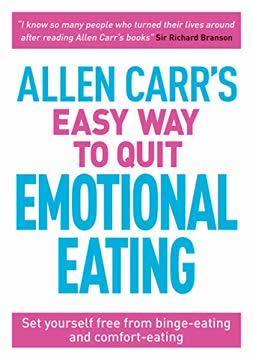
Get the complete 30-minute summary of Allen Carr's Easy Way to Quit Emotional Eating
Get the complete summary in the appEmotional eating is a psychological trap, not a character flaw.
Junk food provides no genuine pleasure or comfort. It only provides temporary relief from discomfort it created.
The belief that junk food is a treat is brainwashing. It was taught to you.
Hunger is a natural signal, not an emergency.
Your favorite foods are those that nourish you, not processed junk.
Gradual reduction and substitutes keep you trapped.
"Allen Carr's Easy Way to Quit Emotional Eating" is a strong fit if you want practical ideas around health & fitness, self help, health, especially themes like emotional eating is a psychological trap, not a character flaw; junk food provides no genuine pleasure or comfort. it only provides temporary relief from discomfort it created. The MinuteRead summary distills these concepts into a focused read, whether you're deciding whether to buy the book or applying its lessons at work.
Allen Carr was a British author renowned for his books on overcoming addictions, particularly smoking. After struggling with a 100-cigarette-a-day habit for 33 years, Carr successfully quit smoking and developed his "Easy Way" method. He applied this approach to various dependencies, including alcohol and emotional eating. Carr's books have sold millions of copies worldwide and have been translated into numerous languages. His method focuses on changing the mindset around addiction rather than r…
View all summaries by Allen CarrContinue Reading
Access the complete 30-minute summary and thousands more nonfiction books in the MinuteRead app.

Continue reading the complete summary in the MinuteRead app.