MinuteRead
30 min
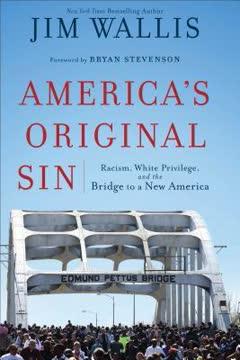
Book summary
by Jim Wallis
Premium summary · Opens in the app · 30 min read
Every nation has stories it tells about itself. These stories are not always lies, but they are almost always incomplete. They emphasize certain chapters while quietly skipping others. They celebrate heroes while ignoring victims. They present outcomes as inevitable when they were actually the result of specific choices made by specific people at specific moments in history.
**Author:** Jim Wallis
**Estimated Reading Time:** 45 minutes
**What You'll Learn:**
- Why racism is not merely a flaw in American history but its founding wound - How white privilege operates invisibly in everyday life - Why the criminal justice system functions as a new form of racial control - What role faith communities must play in racial reconciliation - How demographic change is reshaping America's identity - Practical steps for building genuine cross-racial relationships
**Who This Book Is For:**
This book is for anyone who senses that something is deeply wrong with race relations in America but struggles to articulate exactly what it is. It is for white readers willing to examine uncomfortable truths about privilege and complicity. It is for readers of color seeking language for experiences they have long known but rarely seen validated. It is for Christians who wonder why Sunday morning remains the most segregated hour of the week. It is for citizens who want to understand how the past continues to shape the present, and what genuine repair might require.
Every nation has stories it tells about itself. These stories are not always lies, but they are almost always incomplete. They emphasize certain chapters while quietly skipping others. They celebrate heroes while ignoring victims. They present outcomes as inevitable when they were actually the result of specific choices made by specific people at specific moments in history. America's story is no exception. The dominant American narrative goes something like this: brave settlers arrived on these shores seeking freedom. They built a new nation dedicated to liberty and equality. That nation overcame the tragedy of slavery through a bloody civil war. It confronted segregation through the courage of the civil rights movement. And while problems remain, the arc of history bends toward justice. There is truth in this story. But there is also a profound omission. The United States was not founded as a colorblind democracy that later developed racial problems. It was founded as a white society, built upon the near genocide of one race and the enslavement of another. Racism is not a stain on the American experiment. It is woven into the fabric of the experiment itself. This is what Jim Wallis calls America's original sin. Wallis is not a historian or a sociologist by training. He is a Christian minister and activist who has spent decades working at the intersection of faith and social justice. He has advised presidents and protested against them. He has preached in churches and marched in streets. And through all of it, he has come to believe that racism is not merely a political issue or a social problem. It is a spiritual crisis that strikes…
Continue reading in the MinuteRead app
Get the complete 30-minute summary of America's Original Sin
Get the complete summary in the appAmerica was founded as a white society, built on the near genocide of Native Americans and the enslavement of Africans.
Racism operates at three levels: personal prejudice, institutional racism, and structural racism.
White privilege is an invisible set of advantages that white people carry through life.
Mass incarceration is the new mechanism of racial control, with Black Americans disproportionately targeted and punished
Sunday morning remains the most segregated hour in America, and the church has failed to lead on racial justice.
The Bible consistently calls for justice, compassion toward immigrants, and the inclusion of the marginalized.
"America's Original Sin" is a strong fit if you want practical ideas around race, history, anti racist, especially themes like america was founded as a white society, built on the near genocide of native americans and the enslavement of africans; racism operates at three levels: personal prejudice, institutional racism, and structural racism. The MinuteRead summary distills these concepts into a focused read, whether you're deciding whether to buy the book or applying its lessons at work.
Jim Wallis is a prominent Christian author, activist, and founder of Sojourners, a social justice organization. He has written twelve books, including several New York Times bestsellers, focusing on faith, ethics, and public life. Wallis has been a vocal advocate for addressing social issues from a Christian perspective, particularly racial justice and poverty. He has advised political leaders, including serving on President Obama's Advisory Council, and taught at prestigious universities. Walli…
View all summaries by Jim WallisContinue Reading
Access the complete 30-minute summary and thousands more nonfiction books in the MinuteRead app.

Continue reading the complete summary in the MinuteRead app.