MinuteRead
30 min
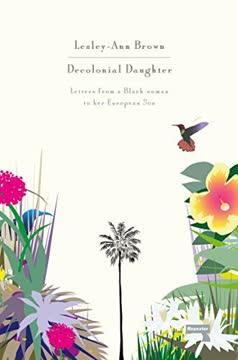
Every family carries a story it does not fully tell. Sometimes the story is hidden in silence. Sometimes it is buried beneath the noise of survival. Sometimes it is scattered across continents, written in plane tickets, long-distance phone calls, and the gaps between generations that never quite learned how to speak to one another.
**Author:** Lesley-Ann Brown **Estimated Reading Time:** 42 minutes
- How the wounds of colonialism pass from one generation to the next and shape identity in ways most people never consciously recognize - Why language operates as both a weapon of oppression and a tool for liberation in postcolonial life - What it means to live with a dual identity and how to transform internal conflict into creative power - How to recognize and dismantle internalized racism and colorism that colonial systems planted in your mind - How migration fractures families and what it takes to preserve cultural heritage across oceans and generations - How reclaiming ancestral knowledge and spiritual practices can heal wounds that modern institutions cannot touch - How to build an empowered decolonial identity that contributes to collective liberation
This book is for anyone who has ever felt caught between worlds. It is for the children of immigrants who carry stories they never fully received. It is for people who sense that something was taken from their families long before they were born but cannot name what it is. It is for readers who want to understand how history lives in the body, how trauma moves through bloodlines, and how healing becomes possible when we face what has been silenced. If you have ever wondered why you feel disconnected from your heritage, why certain beauty standards feel like poison, or why your family's story seems fragmented and incomplete, this book will help you understand the forces that created those fractures and the path toward reclaiming what was lost.
Every family carries a story it does not fully tell. Sometimes the story is hidden in silence. Sometimes it is buried beneath the noise of survival. Sometimes it is scattered across continents, written in plane tickets, long-distance phone calls, and the gaps between generations that never quite learned how to speak to one another. Lesley-Ann Brown was born in Brooklyn to a Trinidadian mother and a father whose roots stretched across the Caribbean. She grew up surrounded by the sounds, smells, and rhythms of a culture that existed somewhere between the island her family came from and the American city where she was raised. But like so many children of the diaspora, she also grew up with a sense that something was missing. There were questions no one answered. There were stories no one told. There was a history that seemed to hover just beyond reach, present in the way her grandmother moved through the kitchen, in the songs her mother sang, in the silences that fell over certain conversations. This book is an attempt to reach for that history. The problem Brown addresses is not unique to her family.…
Continue reading in the MinuteRead app
Get the complete 30-minute summary of Decolonial Daughter
Get the complete summary in the appThe wounds of colonialism are real, deep, and passed down from one generation to the next, often without conscious aware
Language is both a chain and a key. The colonizer's tongue can oppress, but it can also be used to liberate.
Dual identity is not a problem to be solved but a reality to be embraced. The walking contradiction is a source of stren
Internalized racism and colorism are poisons that colonialism planted in the minds of the colonized. Unlearning them req
Migration fractures families and disrupts cultural transmission. The losses are real, even when the opportunities are al
Reclaiming ancestral spiritual practices is a form of healing that colonial institutions cannot provide.
"Decolonial Daughter" is a strong fit if you want practical ideas around race, essays, memoir, especially themes like the wounds of colonialism are real, deep, and passed down from one generation to the next, often without conscious aware; language is both a chain and a key. the colonizer's tongue can oppress, but it can also be used to liberate. The MinuteRead summary distills these concepts into a focused read, whether you're deciding whether to buy the book or applying its lessons at work.
Lesley-Ann Brown is a Caribbean-American writer born in Brooklyn with Trinidadian roots. She studied writing at the New School and worked in NYC publishing before moving to Copenhagen in 1999. Brown is known for her pioneering blog, blackgirlonmars, and her work has been published internationally. She founded Bandit Queen Press, conducting writing workshops globally. Brown's debut book, "Decolonial Daughter," explores themes of colonialism, identity, and family history. Her upcoming work, "Black…
View all summaries by Lesley-Ann BrownContinue Reading
Access the complete 30-minute summary and thousands more nonfiction books in the MinuteRead app.

Continue reading the complete summary in the MinuteRead app.