MinuteRead
30 min
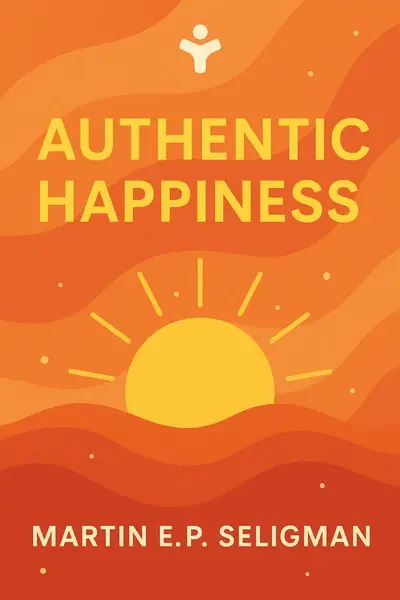
Book summary
Premium summary · Opens in the app · 30 min read
For most of its history, psychology had a singular obsession: fixing what was broken. The field mapped depression, catalogued anxiety, and dissected trauma with remarkable precision. It developed therapies for phobias, medications for mood disorders, and interventions for addiction. This was necessary work, and it saved countless lives. But it left a gaping hole in our understanding of the human experience.
**Author:** Martin E. P. Seligman
**Estimated Reading Time:** 45 minutes
**What You'll Learn:** How to move beyond temporary pleasure and build lasting fulfillment using the science of positive psychology. You will discover why happiness is not a mystery, how your past, present, and future shape your emotional life, and which specific practices can raise your baseline level of well-being.
**Who This Book Is For:** Anyone who has ever felt that success, money, or pleasure did not deliver the lasting satisfaction they expected. It is for readers who want a scientifically grounded, practical approach to building a richer emotional life.
For most of its history, psychology had a singular obsession: fixing what was broken. The field mapped depression, catalogued anxiety, and dissected trauma with remarkable precision. It developed therapies for phobias, medications for mood disorders, and interventions for addiction. This was necessary work, and it saved countless lives. But it left a gaping hole in our understanding of the human experience. Psychology could tell you how to go from minus ten to zero. It could explain how a person suffering from debilitating despair might return to a state of ordinary functioning. What it could not tell you was how to go from zero to plus ten. It had no language for describing what makes life worth living beyond the mere absence of suffering. Martin Seligman noticed this absence. As a researcher who had spent years studying learned helplessness and depression, he understood the power of focusing on pathology. But he also recognized that human beings are not merely problems to be solved. We are creatures capable of joy, meaning, purpose, and deep satisfaction. A psychology that ignored these capacities was incomplete. The problem is not just academic. Millions of people live lives that are, by any objective measure, successful. They have careers, families, homes, and health. Yet they feel something missing. They experience moments of pleasure but not enduring fulfillment. They check the boxes of a good life without feeling the texture of one. They wonder why they are not happier. Part of the difficulty is that our culture offers confusing guidance. We are told that happiness comes from acquiring things, achieving status, or eliminating discomfort. We chase promotions, buy newer cars, plan exotic vacations, and still find ourselves returning to the same emotional baseline. The thrill fades. The satisfaction evaporates. We are left wondering what we did wrong. Seligman's approach is different because it is grounded in rigorous research rather than wishful thinking. He does not offer platitudes about positive thinking or promises of overnight transformation. Instead, he presents a systematic understanding of how happiness actually works: what determines it, what undermines it, and what we can do to cultivate…
Continue reading in the MinuteRead app
Get the complete 30-minute summary of Authentic Happiness
Get the complete summary in the appHappiness equals your set range plus your circumstances plus your voluntary activities. Focus on the voluntary activitie
Circumstances adapt quickly. Do not overinvest in changing them.
Gratitude and forgiveness can transform your relationship with the past.
Optimism can be learned. Dispute your pessimistic thoughts.
Flow requires clear goals, immediate feedback, and a balance between challenge and skill.
Identify your signature strengths and use them every day.
"Authentic Happiness" is a strong fit if you want practical ideas around psychology, self help, personal development, especially themes like happiness equals your set range plus your circumstances plus your voluntary activities. focus on the voluntary activitie; circumstances adapt quickly. do not overinvest in changing them. The MinuteRead summary distills these concepts into a focused read, whether you're deciding whether to buy the book or applying its lessons at work.
Martin E. P. Seligman is a prominent psychologist and professor at the University of Pennsylvania. He is widely recognized as the founder of positive psychology, a field that focuses on human strengths and well-being rather than mental illness. Seligman served as the President of the American Psychological Association in 1998 and has authored numerous influential books on psychology. His work spans topics such as learned helplessness, optimism, and happiness. Seligman's research and writings hav…
View all summaries by Martin E. P. SeligmanContinue Reading
Access the complete 30-minute summary and thousands more nonfiction books in the MinuteRead app.

Continue reading the complete summary in the MinuteRead app.