MinuteRead
30 min
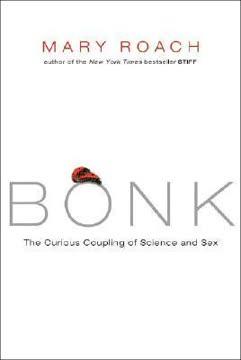
Sex is one of the most universal human experiences. It is also one of the least understood. For most of history, the inner workings of sexual response remained hidden, not because people lacked curiosity, but because the subject was considered too shameful, too private, or too dangerous to study openly.
**Author:** Mary Roach
**Estimated Reading Time:** 42 minutes
**What You'll Learn:**
- Why the scientific study of sex has been one of the most difficult, strange, and courageous pursuits in modern history - What researchers actually discovered about arousal, orgasm, and desire - How myths about female sexuality persisted for centuries and what replaced them - Why Viagra did not solve female sexual dysfunction - What happens inside the body during arousal and orgasm - How hormones quietly shape desire - What animal studies reveal and conceal about human sexuality - Why the science of sex matters for real relationships and real lives
**Who This Book Is For:**
This book is for anyone who has ever wondered what actually happens in the body during sex, why desire works the way it does, or how scientists managed to study something so private. It is for readers who appreciate science writing that is rigorous but never dry, curious but never clinical. If you have ever suspected that the truth about human sexuality is stranger and more interesting than the myths, this book will confirm it.
Sex is one of the most universal human experiences. It is also one of the least understood. For most of history, the inner workings of sexual response remained hidden, not because people lacked curiosity, but because the subject was considered too shameful, too private, or too dangerous to study openly. This created a strange situation. Medicine mapped the circulatory system, the nervous system, the digestive tract. But the organs and processes involved in sexual pleasure remained largely uncharted territory. Doctors knew less about the clitoris than they did about the spleen. Couples struggling with sexual problems had nowhere to turn for reliable information. Myths and misinformation filled the void. Mary Roach set out to understand how science finally began to illuminate this hidden corner of human biology. What she found was a story full of obstacles, ingenuity, embarrassment, and genuine discovery. Researchers risked their careers, their reputations, and sometimes their freedom to answer questions that now seem basic. How does arousal work? What happens during orgasm? Why do some people struggle with desire? The answers required unusual methods. Scientists built artificial penises and vaginas. They dressed lab rats in tiny polyester pants. They observed couples having sex in laboratories while measuring heart rate, blood flow, and brain activity. They interviewed thousands of people about the most intimate details of their lives. Some of this work was brilliant. Some of it was bizarre. All of it was necessary. The result is a body of knowledge that has transformed our understanding of human sexuality. It has debunked myths that persisted for centuries. It has revealed that female sexual anatomy…
Continue reading in the MinuteRead app
Get the complete 30-minute summary of Bonk
Get the complete summary in the appThe clitoris is a large, complex organ that extends deep into the body. Most women require clitoral stimulation for orga
Orgasm is a whole-body event involving multiple physiological systems. It can occur without genital stimulation.
Viagra did not work for most women because female sexual response is more than blood flow.
Hormones influence desire but do not determine it. Desire fluctuates across the menstrual cycle in many women.
Sex researchers faced enormous obstacles but their work transformed medicine and culture.
Animal studies reveal the biological basis of sexuality, but animal findings do not always translate to humans.
"Bonk" is a strong fit if you want practical ideas around science, humor, sexuality, especially themes like the clitoris is a large, complex organ that extends deep into the body. most women require clitoral stimulation for orga; orgasm is a whole-body event involving multiple physiological systems. it can occur without genital stimulation. The MinuteRead summary distills these concepts into a focused read, whether you're deciding whether to buy the book or applying its lessons at work.
Mary Roach is a bestselling science author known for her humorous and unconventional approach to scientific topics. She has written several books exploring unusual aspects of human biology and space exploration, including "Stiff," "Gulp," and "Packing for Mars." Roach's work has been published in various magazines and she has received recognition for her contributions to science writing. Her 2009 TED talk gained significant popularity. Roach serves on advisory boards and panels related to scienc…
View all summaries by Mary RoachContinue Reading
Access the complete 30-minute summary and thousands more nonfiction books in the MinuteRead app.

Continue reading the complete summary in the MinuteRead app.