MinuteRead
30 min
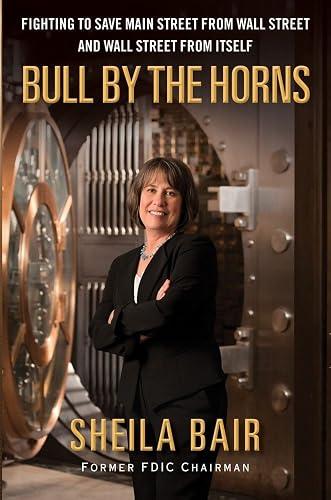
Book summary
by Sheila Bair
Premium summary · Opens in the app · 30 min read
In the fall of 2008, the American financial system came closer to collapse than at any time since the Great Depression. Major institutions failed. Credit markets froze. Millions of Americans lost their homes, their jobs, and their savings. The federal government responded with an unprecedented series of interventions, committing trillions of dollars to stabilize banks, money market funds, and other financial institutions.
**Author:** Sheila Bair
**Estimated Reading Time:** 45 minutes
**What You'll Learn:**
- Why the 2008 financial crisis was not an accident but the predictable result of regulatory failure - How securitization destroyed the basic discipline of lending - What "too big to fail" really costs taxpayers and the economy - Why capital requirements are the foundation of financial stability - How resolution authority can end the era of bailouts - What ordinary citizens can do to demand a safer financial system
**Who This Book Is For:**
This book is for anyone who wants to understand what actually happened during the 2008 financial crisis, why it happened, and whether the reforms put in place afterward are sufficient to prevent another one. It is for taxpayers who want to know why their money was used to rescue the very institutions that caused the crisis. It is for students of finance, public policy, and economics who want an insider's account of how regulation works, and fails, in practice. Most of all, it is for citizens who believe that the financial system should serve the real economy, not the other way around.
In the fall of 2008, the American financial system came closer to collapse than at any time since the Great Depression. Major institutions failed. Credit markets froze. Millions of Americans lost their homes, their jobs, and their savings. The federal government responded with an unprecedented series of interventions, committing trillions of dollars to stabilize banks, money market funds, and other financial institutions. Sheila Bair watched all of this from a unique vantage point. As Chair of the Federal Deposit Insurance Corporation from 2006 to 2011, she was one of the principal regulators responsible for maintaining stability in the banking system. She was also one of the few senior officials who had been warning, loudly and repeatedly, that the system was heading for disaster. What makes her account different from the many books written about the crisis is that she was not an academic observer or a journalist reconstructing events after the fact. She was in the room. She sat through the emergency meetings. She argued with Treasury Secretary Timothy Geithner and Federal Reserve Chairman Ben Bernanke. She watched as the government made decisions that she believed were deeply flawed, decisions that protected the executives of failed institutions while leaving taxpayers holding the bill. The central question of this book is simple: how did the world's most sophisticated financial system become so fragile? The answer, as Bair explains, is not that the crisis was an unforeseeable accident. It was the predictable result of a decades-long retreat from effective regulation. Regulators stopped regulating. Politicians dismantled safeguards. Financial institutions were allowed to take enormous risks…
Continue reading in the MinuteRead app
Get the complete 30-minute summary of Bull by the Horns
Get the complete summary in the appThe 2008 financial crisis was not an accident. It was the predictable result of a decades-long retreat from effective re
Securitization destroyed lending standards by removing the risk from loan originators, who had no incentive to ensure th
Basel II allowed banks to determine their own capital requirements, which was a surrender of regulatory responsibility.
Too big to fail undermines market discipline by protecting large institutions from the consequences of their actions.
The bailouts of 2008 protected the executives of failed institutions at the expense of taxpayers.
Resolution authority is the only way to end the too-big-to-fail problem, by imposing losses on shareholders and creditor
"Bull by the Horns" is a strong fit if you want practical ideas around economics, finance, business, especially themes like the 2008 financial crisis was not an accident. it was the predictable result of a decades-long retreat from effective re; securitization destroyed lending standards by removing the risk from loan originators, who had no incentive to ensure th. The MinuteRead summary distills these concepts into a focused read, whether you're deciding whether to buy the book or applying its lessons at work.
Motivated to help readers with "Regulation had fallen out of fashion, Sheila Bair wrote “Bull by the Horns” to package those ideas for a fast, focused read. In “Bull by the Horns”, Sheila Bair focuses on "Regulation had fallen out of fashion. Through “Bull by the Horns”, Sheila Bair distills the core ideas on economics into lessons readers can absorb in a single short sitting. Readers turn to this work when they want Sheila Bair's perspective on the subject without working through the entire ori…
Continue Reading
Access the complete 30-minute summary and thousands more nonfiction books in the MinuteRead app.

Continue reading the complete summary in the MinuteRead app.