MinuteRead
30 min
Book summary
Premium summary · Opens in the app · 30 min read
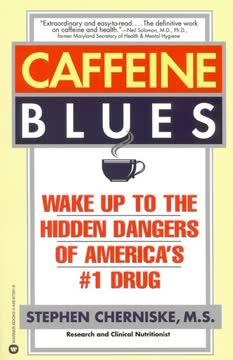
Most people never think about caffeine. They drink it. They enjoy it. They depend on it. But they rarely stop to ask what it is actually doing inside their bodies. That is precisely the problem Stephen Cherniske addresses in Caffeine Blues. The book argues that caffeine has become so deeply woven into daily life that we have stopped seeing it for what it really is: a powerful psychoactive drug with significant consequences for human health.
**Author:** Stephen Cherniske
**Estimated Reading Time:** 45 minutes
**What You'll Learn:**
- Why caffeine is far more powerful and problematic than most people realize - How caffeine creates a hidden stress response that undermines your health - The specific ways caffeine affects your brain, heart, hormones, and energy - Why soft drinks represent a deliberate strategy to create lifelong consumers - A practical, pain-free method to break the caffeine habit for good
**Who This Book Is For:**
Anyone who starts the day with coffee, reaches for a soda in the afternoon, or wonders why they feel exhausted despite sleeping eight hours. If you have ever tried to quit caffeine and failed, or if you suspect caffeine might be affecting your health but cannot quite pinpoint how, this book will give you the clarity and the tools you need.
Most people never think about caffeine. They drink it. They enjoy it. They depend on it. But they rarely stop to ask what it is actually doing inside their bodies. That is precisely the problem Stephen Cherniske addresses in Caffeine Blues. The book argues that caffeine has become so deeply woven into daily life that we have stopped seeing it for what it really is: a powerful psychoactive drug with significant consequences for human health. Consider the numbers. Nearly 90 percent of American adults consume caffeine regularly. It appears in coffee, tea, soft drinks, chocolate, energy drinks, and even certain medications. Children consume it through sodas and chocolate. Pregnant women are advised to limit it but often receive mixed messages about how much is safe. Athletes use it for performance. Students use it for studying. Workers use it to get through the afternoon. Caffeine is everywhere, and almost no one treats it with the caution reserved for other mood-altering substances. Cherniske's central argument is straightforward. Caffeine is not a harmless pick-me-up. It is a drug that triggers a physiological stress response every time it enters the body. That stress response, repeated day after day, year after year, takes a measurable toll on energy, mood, sleep, cardiovascular health, digestion, and hormonal balance. The reason most people do not notice this toll is that caffeine also masks its own effects. The morning cup of coffee relieves the withdrawal symptoms from yesterday's coffee, and that relief feels like a genuine boost. In reality, it is simply the temporary removal of a self-inflicted handicap. The book draws on Cherniske's background in nutritional biochemistry to explain how caffeine works at the cellular level. It walks through the research on caffeine's effects on the adrenal glands, the cardiovascular system, the brain, and the digestive tract. It examines the special risks caffeine poses to women, children, and people with…
Continue reading in the MinuteRead app
Get the complete 30-minute summary of Caffeine Blues
Get the complete summary in the appCaffeine is a psychoactive drug that creates physical dependence and withdrawal symptoms.
Caffeine does not create energy. It borrows energy from the body's reserves, and the debt must be repaid.
Every dose of caffeine triggers a stress response, keeping the body in a state of chronic low-level stress.
The half-life of caffeine is five to six hours, meaning afternoon consumption still affects sleep at night.
Caffeine masks fatigue rather than curing it, preventing you from accurately assessing your body's needs.
The morning cup of coffee relieves withdrawal symptoms from yesterday's coffee, not genuine fatigue.
"Caffeine Blues" is a strong fit if you want practical ideas around health & fitness, health, science, especially themes like caffeine is a psychoactive drug that creates physical dependence and withdrawal symptoms; caffeine does not create energy. it borrows energy from the body's reserves, and the debt must be repaid. The MinuteRead summary distills these concepts into a focused read, whether you're deciding whether to buy the book or applying its lessons at work.
Stephen Cherniske is a biochemist and nutritionist known for his work on caffeine's effects on health. He holds a master's degree in nutritional biochemistry from Western States College and has authored several books on nutrition and health. Cherniske has faced criticism for his non-accredited degree and involvement in multi-level marketing. His approach to caffeine research is considered controversial by some, with accusations of cherry-picking studies to support his views. Despite these critic…
View all summaries by Stephen CherniskeContinue Reading
Access the complete 30-minute summary and thousands more nonfiction books in the MinuteRead app.

Continue reading the complete summary in the MinuteRead app.