MinuteRead
30 min
Book summary
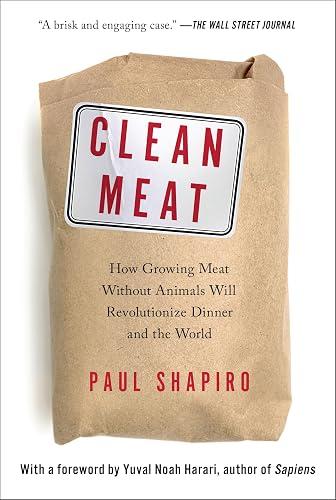
by Paul Shapiro
Premium summary · Opens in the app · 30 min read
Every year, humanity raises and slaughters more than seventy billion land animals for food. That number is so large it resists comprehension. It is more than nine times the number of humans who have ever lived. And yet, for most of us, the process behind this staggering figure remains invisible. We see the cellophane-wrapped packages in the grocery store. We smell the sizzle of a burger on the grill. We taste the familiar richness of a chicken breast or a slice of bacon. But we do not see the fe
**Author:** Paul Shapiro **Estimated Reading Time:** 42 minutes
**What You'll Learn:**
- How scientists grow real meat without raising or slaughtering animals - Why the current system of animal agriculture is reaching its breaking point - The stories of the entrepreneurs racing to reinvent the way we produce food - What clean meat, milk, and eggs will mean for the environment, human health, and the global economy - How you can think critically about the future of food and your role in it
**Who This Book Is For:**
Anyone who eats food, cares about the planet, wonders where their dinner comes from, or wants to understand one of the most consequential technological shifts of the coming decades. You do not need a science background. You need curiosity about how the world might change for the better.
Every year, humanity raises and slaughters more than seventy billion land animals for food. That number is so large it resists comprehension. It is more than nine times the number of humans who have ever lived. And yet, for most of us, the process behind this staggering figure remains invisible. We see the cellophane-wrapped packages in the grocery store. We smell the sizzle of a burger on the grill. We taste the familiar richness of a chicken breast or a slice of bacon. But we do not see the feedlots, the crowded barns, the manure lagoons, or the slaughterhouses that make it all possible. Paul Shapiro has spent his life looking at what most of us avoid. As a longtime animal welfare advocate, he has walked through factory farms, documented abuses, and campaigned for reforms. He has also come to a conclusion that surprises many people who share his values: asking people to give up meat is not a winning strategy. Humans have been eating meat for millions of years. It is woven into our cultures, our traditions, our family recipes, and our sense of identity. Asking people to abandon it entirely is asking them to fight their own biology and history. Most will not do it. But what if we did not have to choose between loving meat and saving the planet? What if we did not have to decide between enjoying a juicy burger and sparing animals from suffering? What if we could have the real thing, actual meat, without the factory farm, the slaughterhouse, and the environmental devastation? That is the promise of clean meat. Not a plant-based imitation. Not a veggie burger masquerading as beef. Real meat, grown from animal cells, produced in a brewery-like facility instead of a feedlot. Real milk proteins brewed by yeast instead of squeezed from a cow. Real egg whites produced by fermentation instead of…
Continue reading in the MinuteRead app
Get the complete 30-minute summary of Clean Meat
Get the complete summary in the appClean meat is real meat grown from animal cells, without raising or slaughtering animals.
Animal agriculture is responsible for about fifteen percent of global greenhouse gas emissions, more than the entire tra
The first cultured hamburger cost $330,000 to produce in 2013, but costs have dropped dramatically since then.
Acellular agriculture uses genetically engineered microorganisms to produce animal proteins like milk, egg whites, and c
Cultured meat could require 99 percent less land and 96 percent less water than conventional beef.
More than seventy billion land animals are raised and slaughtered for food every year, most in conditions that cause sig
"Clean Meat" is a strong fit if you want practical ideas around science, food, technology, especially themes like clean meat is real meat grown from animal cells, without raising or slaughtering animals; animal agriculture is responsible for about fifteen percent of global greenhouse gas emissions, more than the entire tra. The MinuteRead summary distills these concepts into a focused read, whether you're deciding whether to buy the book or applying its lessons at work.
Motivated to help readers with "We can use technology to render some of our most pressing difficulties moot." Defining cellular agriculture:, Paul Shapiro wrote “Clean Meat” to package those ideas for a fast, focused read. In “Clean Meat”, Paul Shapiro focuses on "We can use technology to render some of our most pressing difficulties moot." Defining cellular agriculture:. Through “Clean Meat”, Paul Shapiro distills the core ideas on science into lessons readers can absorb in a single short sitti…
Continue Reading
Access the complete 30-minute summary and thousands more nonfiction books in the MinuteRead app.

Continue reading the complete summary in the MinuteRead app.