MinuteRead
30 min
Book summary
by Heidi Reeder
Premium summary · Opens in the app · 30 min read
Most people think commitment is a character trait. You either have it or you don't. You are either the kind of person who sticks with things or the kind who drifts. This belief shapes how we judge ourselves and others. We admire the marathon runner, the entrepreneur who refused to quit, the couple celebrating fifty years together. We quietly wonder what they have that we lack.
**Author:** Heidi Reeder
**Estimated Reading Time:** 45 minutes
**What You'll Learn:**
- Why commitment is not a single decision but a dynamic process you can influence - The four elements that predict whether you will stick with something or walk away - How to increase commitment to the people and goals that matter most - How to consciously let go of commitments that no longer serve you - Practical strategies for helping others become more committed
**Who This Book Is For:**
Anyone who has ever struggled to follow through on a goal, wondered why they stay in situations that no longer work, or tried to inspire commitment in a partner, employee, or team. If you have ever said "I just need more willpower" or "I wish they cared more," this book will change how you think about dedication.
Most people think commitment is a character trait. You either have it or you don't. You are either the kind of person who sticks with things or the kind who drifts. This belief shapes how we judge ourselves and others. We admire the marathon runner, the entrepreneur who refused to quit, the couple celebrating fifty years together. We quietly wonder what they have that we lack. Heidi Reeder spent years studying commitment as a researcher and professor. What she discovered challenges the popular narrative. Commitment is not a personality trait. It is not a moment of decision. It is not a promise you make and then keep through sheer force of will. Commitment is a process, a dynamic state that shifts based on identifiable factors. Once you understand those factors, you can influence them. The problem is that most people approach commitment backwards. They rely on motivation, which is emotional and fleeting. They make promises to themselves and others, then feel guilty when those promises break. They assume that if they wanted something badly enough, commitment would follow automatically. When it doesn't, they conclude something is wrong with them. Reeder's research points in a different direction. Commitment emerges from four elements that interact constantly: what you treasure about a situation, what troubles you experience, what you have contributed, and what choices you perceive as available. These elements form a kind of equation. When treasures and contributions outweigh troubles and choices, commitment grows. When the balance shifts the other way, commitment erodes. This insight matters because it gives you agency. You are not at the mercy of your feelings or your circumstances. You can deliberately increase commitment to the things that matter by adjusting the elements. You can also decrease commitment to things that no longer serve you, freeing yourself from situations that drain your energy and potential. The stakes are high. Commitment…
Continue reading in the MinuteRead app
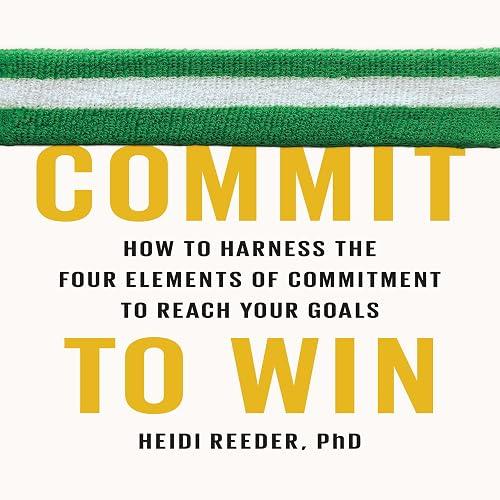
Get the complete 30-minute summary of Commit to Win
Get the complete summary in the appCommitment is a process, not a trait. It can be understood and influenced.
Four elements shape commitment: treasures, troubles, contributions, and choices.
Troubles weigh more heavily than treasures. Aim for five positive experiences for every negative one.
Intrinsic rewards sustain commitment better than extrinsic rewards.
Contributions create attachment. Invest more to become more committed.
Past investments are sunk costs. Do not let them dictate future decisions.
"Commit to Win" is a strong fit if you want practical ideas around psychology, self help, business, especially themes like commitment is a process, not a trait. it can be understood and influenced; four elements shape commitment: treasures, troubles, contributions, and choices. The MinuteRead summary distills these concepts into a focused read, whether you're deciding whether to buy the book or applying its lessons at work.
Motivated to help readers with commitment isn't the same thing as a promise, Heidi Reeder wrote “Commit to Win” to package those ideas for a fast, focused read. In “Commit to Win”, Heidi Reeder focuses on commitment isn't the same thing as a promise. Through “Commit to Win”, Heidi Reeder distills the core ideas on psychology into lessons readers can absorb in a single short sitting. Readers turn to this work when they want Heidi Reeder's perspective on the subject without working through the ent…
Continue Reading
Access the complete 30-minute summary and thousands more nonfiction books in the MinuteRead app.

Continue reading the complete summary in the MinuteRead app.