MinuteRead
30 min
Book summary
Premium summary · Opens in the app · 30 min read
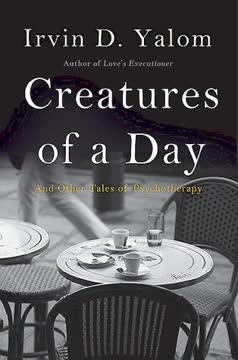
Irvin Yalom was eighty years old when he began writing the stories that became this book. He had spent his entire career as a psychiatrist, written bestselling books, taught at Stanford, and pioneered the field of existential psychotherapy. By any measure, he had lived a full and accomplished life. And yet, as he entered his ninth decade, he found himself confronting something his decades of clinical experience had not fully prepared him for: his own mortality, up close, undeniable, no longer a
**Author:** Irvin D. Yalom **Estimated Reading Time:** 45 minutes
This book invites you into the consulting room of one of the world's most respected psychotherapists as he faces his own mortality while helping others face theirs. You will witness the raw, unvarnished truth of what happens when human beings confront the reality that time is running out. You will learn why facing death is not morbid but liberating, why regret is a prison we can escape, and how authentic connection with another person can transform suffering into meaning. Most of all, you will learn that the same truths that heal patients in therapy are available to anyone willing to look honestly at their life.
This book is for anyone who has ever lain awake at night wondering if they are living the right life. It is for those who have lost someone and cannot find their way through grief. It is for people who sense that time is slipping away but do not know how to spend what remains. It is for therapists who want to understand what real healing looks like. And it is for anyone curious about what happens when an aging therapist, facing his own decline, sits down with patients who are doing the same.
Irvin Yalom was eighty years old when he began writing the stories that became this book. He had spent his entire career as a psychiatrist, written bestselling books, taught at Stanford, and pioneered the field of existential psychotherapy. By any measure, he had lived a full and accomplished life. And yet, as he entered his ninth decade, he found himself confronting something his decades of clinical experience had not fully prepared him for: his own mortality, up close, undeniable, no longer a philosophical abstraction. The problem this book addresses is as old as human consciousness and as urgent as the present moment. We know we will die. We know the people we love will die. And yet most of us spend enormous energy avoiding this knowledge. We distract ourselves. We chase achievements. We tell ourselves there is always more time. But eventually, life intervenes. A diagnosis arrives. A loved one dies. The mirror reveals an aging face. And suddenly the defenses crumble. Why do people struggle so deeply with this? Because death anxiety is not really about death. It is about life unlived. It is about the regrets we carry, the words we never spoke, the risks we never took, the relationships we let wither. When people come to therapy in crisis, they rarely say they are afraid of dying. They say they feel empty. They say their marriage has gone cold. They say they cannot write the book they have been…
Continue reading in the MinuteRead app
Get the complete 30-minute summary of Creatures of a Day
Get the complete summary in the appYou are a creature of a day. So is everyone you love. Act accordingly.
Regret is a prison. The key is accepting that the past cannot be changed.
Honesty is the foundation of authentic relationships. Tell the truth even when it is hard.
Presence is more powerful than advice. Sometimes the best thing you can offer is your full attention.
Death anxiety often hides behind other problems. Ask yourself what you are really afraid of.
Secrets are burdens. They cost more than you think.
"Creatures of a Day" is a strong fit if you want practical ideas around psychology, philosophy, short stories, especially themes like you are a creature of a day. so is everyone you love. act accordingly; regret is a prison. the key is accepting that the past cannot be changed. The MinuteRead summary distills these concepts into a focused read, whether you're deciding whether to buy the book or applying its lessons at work.
Irvin David Yalom , M.D., is a renowned psychiatrist, psychotherapist, and author. As an Emeritus Professor of Psychiatry at Stanford University, he has made significant contributions to the field of existential psychotherapy. Yalom's work often explores themes of death, meaning, and human connection. He has written numerous fiction and nonfiction books, including bestsellers like "Love's Executioner" and "The Gift of Therapy." Known for his compassionate approach and ability to blend storytelli…
View all summaries by Irvin D. YalomContinue Reading
Access the complete 30-minute summary and thousands more nonfiction books in the MinuteRead app.

Continue reading the complete summary in the MinuteRead app.