MinuteRead
30 min
Book summary
Premium summary · Opens in the app · 30 min read
For more than sixty years, Americans have been told a simple story about heart disease. The story goes like this: saturated fat raises cholesterol, cholesterol clogs arteries, and clogged arteries cause heart attacks. The solution was equally simple. Replace butter with margarine. Replace lard with vegetable oil. Replace eggs with cereal. Follow the low-fat diet and protect your heart.
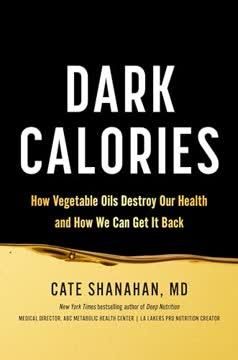
**Author:** Cate Shanahan, MD
**Estimated Reading Time:** 45 minutes
**What You'll Learn:**
- Why vegetable oils are among the most harmful substances in the modern food supply - How industrial seed oils disrupt metabolism, damage mitochondria, and drive chronic disease - Why cholesterol is not the villain you have been told it is - The real story behind the American Heart Association and its dietary advice - How eliminating seed oils can transform your physical and mental health - A practical, step-by-step plan to remove these oils from your life
**Who This Book Is For:**
Anyone who eats food from a grocery store, restaurant, or package. Anyone who has struggled with energy, weight, brain fog, or chronic health conditions despite following conventional dietary advice. Anyone who wants to understand why rates of heart disease, diabetes, and cancer continue to climb despite decades of low-fat recommendations. And anyone ready to take control of their health by understanding what is actually in their food.
For more than sixty years, Americans have been told a simple story about heart disease. The story goes like this: saturated fat raises cholesterol, cholesterol clogs arteries, and clogged arteries cause heart attacks. The solution was equally simple. Replace butter with margarine. Replace lard with vegetable oil. Replace eggs with cereal. Follow the low-fat diet and protect your heart. This story was never true. The result of following this advice has been a public health catastrophe of staggering proportions. Since vegetable oils became a staple of the American diet, rates of heart disease, diabetes, obesity, cancer, and neurological disorders have exploded. The very oils marketed as heart-healthy have turned out to be among the most destructive substances in the modern food supply. Dr. Cate Shanahan has spent her career investigating the connection between industrial seed oils and chronic disease. What she discovered is alarming. Vegetable oils, which she calls the "Hateful Eight," are not food in any meaningful sense. They are industrial byproducts that were never part of the human diet until the late nineteenth century. They are chemically unstable, prone to oxidation, and toxic to human cells in ways that medical science has only begun to understand. The problem is not just that these oils are unhealthy. The problem is that they are everywhere. They are in salad dressings, crackers, bread, granola bars, restaurant meals, baby formula, and even foods marketed as health foods. More than 80 percent of processed foods contain vegetable oils. The average American now consumes roughly 80 grams of these oils every day, a quantity that would have been unimaginable to previous generations. What makes this situation especially tragic is that the medical establishment has been complicit in promoting these oils. The American…
Continue reading in the MinuteRead app
Get the complete 30-minute summary of Dark Calories
Get the complete summary in the appVegetable oils are toxic industrial byproducts, not food. Avoid them entirely.
The Hateful Eight are corn, canola, cottonseed, soybean, sunflower, safflower, grapeseed, and rice bran oil.
Vegetable oils damage mitochondria, impairing energy production in every cell of your body.
Cholesterol is essential for health. It is not the cause of heart disease.
The cholesterol theory of heart disease is based on flawed data and industry influence.
Statins have questionable benefits and significant side effects. Make informed decisions about medication.
"Dark Calories" is a strong fit if you want practical ideas around health & fitness, health, nutrition, especially themes like vegetable oils are toxic industrial byproducts, not food. avoid them entirely; the hateful eight are corn, canola, cottonseed, soybean, sunflower, safflower, grapeseed, and rice bran oil. The MinuteRead summary distills these concepts into a focused read, whether you're deciding whether to buy the book or applying its lessons at work.
Dr. Catherine Shanahan is a physician specializing in nutrition and its effects on health. She has written multiple books on the subject, including Deep Nutrition and Dark Calories. Dr. Shanahan's work focuses on traditional diets and their role in preventing chronic diseases prevalent in modern societies. She has gained recognition for her research on the negative health impacts of vegetable oils and seed oils in the American diet. Dr. Shanahan's approach combines medical expertise with nutriti…
View all summaries by Cate ShanahanContinue Reading
Access the complete 30-minute summary and thousands more nonfiction books in the MinuteRead app.

Continue reading the complete summary in the MinuteRead app.