MinuteRead
30 min
Book summary
Premium summary · Opens in the app · 30 min read
You have been manipulated today. You may not have noticed it. You may have felt it as a subtle pull toward one product over another, a vague sense of obligation to say yes when you wanted to say no, or a flicker of guilt that made you reconsider a boundary you had set for yourself. The manipulation did not announce itself. It rarely does.
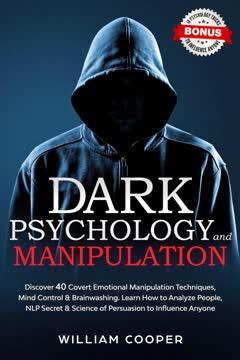
**Author:** William Cooper
**Estimated Reading Time:** 45 minutes
**What You'll Learn:**
- How manipulators exploit fundamental human needs and fears - The psychological tactics used in everyday influence and control - How to recognize manipulation before it takes hold - Practical strategies for protecting yourself from psychological exploitation - How to use persuasion ethically in leadership and negotiation
**Who This Book Is For:**
Anyone who has ever walked away from a conversation feeling confused, guilty, or somehow smaller than before. Anyone who suspects they have been manipulated in a relationship, at work, or in a business deal. Anyone who wants to understand the hidden dynamics of influence that shape daily life. This book is for people who want to see clearly.
You have been manipulated today. You may not have noticed it. You may have felt it as a subtle pull toward one product over another, a vague sense of obligation to say yes when you wanted to say no, or a flicker of guilt that made you reconsider a boundary you had set for yourself. The manipulation did not announce itself. It rarely does. Dark psychology is not a fringe topic reserved for criminal interrogators or cult leaders. It is woven into the fabric of everyday life. It appears in the carefully worded advertisement that makes you feel incomplete without a product. It shows up in the colleague who frames a demand as a favor. It lives in the relationship where love is used as a bargaining chip. It operates in the news headline designed to provoke outrage before you have finished reading the article. The uncomfortable truth is that human beings are predictable. We have needs that run deep: the need to belong, the need to feel safe, the need to be valued, the need to avoid pain. These needs are not weaknesses in themselves. They are part of what makes us human. But they are also entry points for those who have learned to exploit them. William Cooper's book exists because most people walk through life unaware of how influence works. They believe they make decisions freely, rationally, and independently. They do not see the strings being pulled because the pulling happens below the level of conscious awareness. The manipulator does not need to use force. Force is crude and leaves evidence. Manipulation is elegant. It makes the victim feel as though they chose their own surrender. This book is not an instruction manual for becoming a manipulator. It is a field guide for recognizing the terrain. Understanding dark psychology is like understanding how a magic trick works. Once you see the mechanics, the illusion loses its power over you. The magician's gestures become transparent. The misdirection…
Continue reading in the MinuteRead app
Get the complete 30-minute summary of Dark Psychology and Manipulation
Get the complete summary in the appManipulation exploits predictable patterns in human psychology. Awareness is your first defense.
Emotions can override rational thinking. Pause before responding to emotional pressure.
Cognitive biases create predictable errors. Slow down when you recognize a bias being triggered.
Language shapes perception. Reframe arguments to see the underlying reality.
Nonverbal cues reveal hidden intentions. Watch for incongruence between words and body language.
Manipulative relationships follow patterns. Love bombing, gaslighting, and isolation are red flags.
"Dark Psychology and Manipulation" is a strong fit if you want practical ideas around psychology, dark, self help, especially themes like manipulation exploits predictable patterns in human psychology. awareness is your first defense; emotions can override rational thinking. pause before responding to emotional pressure. The MinuteRead summary distills these concepts into a focused read, whether you're deciding whether to buy the book or applying its lessons at work.
William Cooper is the author of "Dark Psychology and Manipulation," a book that has garnered mixed reviews from readers. The Goodreads database indicates there is more than one author by this name, suggesting potential confusion or multiple writers using the same pen name. Cooper's work explores topics such as psychological manipulation, influence strategies, and dark psychology techniques. While some readers appreciate his insights, others criticize his writing style and the book's organization…
View all summaries by William CooperContinue Reading
Access the complete 30-minute summary and thousands more nonfiction books in the MinuteRead app.

Continue reading the complete summary in the MinuteRead app.