MinuteRead
30 min
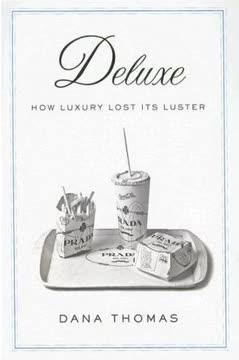
Book summary
by Dana Thomas
Premium summary · Opens in the app · 30 min read
There was a time when luxury meant something specific. It meant a craftsman in a small workshop, spending weeks on a single handbag, stitching leather that had been selected by hand. It meant a jeweler who knew his clients by name, who understood the stones he set and the women who would wear them. It meant a perfume composed by a master perfumer using rare natural essences, created not for a mass market but for a discerning few.
**Author:** Dana Thomas **Estimated Reading Time:** 45 minutes
**What You'll Learn:**
- How luxury transformed from artisan craftsmanship into a global profit machine - The hidden economics behind perfume, handbags, and celebrity endorsements - Why the "It" bag phenomenon changed the industry forever - The ethical compromises made in the pursuit of growth - What the future of authentic luxury might look like
**Who This Book Is For:**
Anyone who has ever wondered why a handbag costs thousands of dollars, why luxury stores all look the same, or what really happens behind the polished facades of the world's most famous fashion houses. This book is for readers curious about the intersection of commerce, culture, and craftsmanship.
There was a time when luxury meant something specific. It meant a craftsman in a small workshop, spending weeks on a single handbag, stitching leather that had been selected by hand. It meant a jeweler who knew his clients by name, who understood the stones he set and the women who would wear them. It meant a perfume composed by a master perfumer using rare natural essences, created not for a mass market but for a discerning few. That world, for the most part, no longer exists. Dana Thomas spent years investigating the luxury industry from the inside. She traveled to workshops in France and factories in China. She interviewed designers, executives, craftsmen, and counterfeiters. What she discovered was an industry that had fundamentally changed its nature while desperately trying to maintain the appearance of tradition and exclusivity. The transformation began quietly. Family-owned houses that had operated for generations began selling to ambitious businessmen who saw not just products but potential. These businessmen understood something that the old guard did not: the value of a luxury brand lay not in its products but in its name. A name could be licensed, extended, and leveraged. A name could be printed on a t-shirt and sold for fifty times its production cost. A name could be attached to perfume, sunglasses, and keychains, creating revenue streams that had nothing to do with craftsmanship. The result was a paradox. Luxury brands became more visible than ever before, their logos emblazoned on products across the globe. Yet the actual quality of what they sold often declined. The hand-stitched leather gave way to machine production. The natural perfume essences were replaced by synthetic compounds. The small workshops closed, replaced by factories in countries where labor was cheap and regulations were loose. Thomas argues that this transformation was not an accident. It was the result of deliberate decisions made by a small group of powerful executives who prioritized growth over heritage, profit over quality, and market share over exclusivity. These executives…
Continue reading in the MinuteRead app
Get the complete 30-minute summary of Deluxe
Get the complete summary in the appLuxury was originally about craftsmanship, not branding. The great houses built their reputations on quality.
Bernard Arnault and other businessmen transformed luxury from craft to commerce by acquiring family-owned houses and pri
The Japanese market shaped modern luxury by favoring logo-driven products that signaled status clearly.
Perfume is the most profitable luxury category, with the largest gap between production cost and retail price.
Handbags are the engine of luxury growth, with enormous markups and carefully managed demand.
Celebrity endorsements are commercial arrangements, not genuine preferences.
"Deluxe" is a strong fit if you want practical ideas around fashion, business, history, especially themes like luxury was originally about craftsmanship, not branding. the great houses built their reputations on quality; bernard arnault and other businessmen transformed luxury from craft to commerce by acquiring family-owned houses and pri. The MinuteRead summary distills these concepts into a focused read, whether you're deciding whether to buy the book or applying its lessons at work.
Dana Thomas is a renowned fashion journalist and author with extensive experience covering the industry. She began her career at The Washington Post and spent 15 years as Newsweek's Paris-based cultural and fashion correspondent. Thomas has written for prestigious publications like The New York Times, The New Yorker, and Vogue. Her books, including the bestseller Deluxe, explore various aspects of the fashion world. Thomas has received recognition for her work, including the Ellis Haller Award a…
View all summaries by Dana ThomasContinue Reading
Access the complete 30-minute summary and thousands more nonfiction books in the MinuteRead app.

Continue reading the complete summary in the MinuteRead app.