MinuteRead
30 min
Book summary
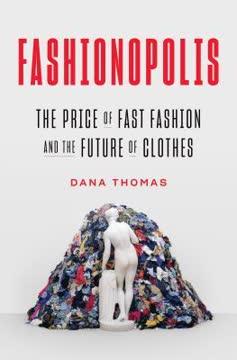
by Dana Thomas
Premium summary · Opens in the app · 30 min read
The shirt on your back has a story. It involves cotton fields in Texas or Uzbekistan, spinning mills in India, dye houses in China, and sewing factories in Bangladesh. It crosses oceans multiple times before it reaches your closet. It passes through dozens of hands, most of them belonging to people you will never meet, working in conditions you would never accept, for wages you could not survive on.
**Author:** Dana Thomas **Estimated Reading Time:** 45 minutes
**What You'll Learn:** How the fashion industry became one of the most destructive forces on the planet, why the current model of cheap clothing is unsustainable, and the remarkable innovators, designers, and entrepreneurs who are building a better system from the ground up.
**Who This Book Is For:** Anyone who wears clothes. Anyone who has ever wondered where their garments come from. Anyone concerned about climate change, labor rights, or the future of manufacturing. And anyone who believes that the things we buy should not come at the cost of human dignity or a livable planet.
The shirt on your back has a story. It involves cotton fields in Texas or Uzbekistan, spinning mills in India, dye houses in China, and sewing factories in Bangladesh. It crosses oceans multiple times before it reaches your closet. It passes through dozens of hands, most of them belonging to people you will never meet, working in conditions you would never accept, for wages you could not survive on. Dana Thomas spent years tracing that story. What she found disturbed her deeply. The fashion industry, long celebrated for its glamour and creativity, has become one of the most exploitative and environmentally destructive enterprises in human history. It produces over one hundred billion garments every year. It accounts for roughly ten percent of global carbon emissions. It creates twenty percent of the world's wastewater. It relies on a workforce where less than two percent of garment workers earn a living wage. But Thomas also found something else. She found hope. Across the globe, a quiet revolution is underway. Designers are bringing production back to their home countries. Scientists are growing leather in laboratories and spinning silk from yeast. Engineers are building machines that can recycle old clothes into new fabric. Entrepreneurs are creating business models that reward quality over quantity, longevity over disposability. Fashionopolis is the story of that revolution. It is a book about how we got into this mess and, more importantly, how we might get out of it. Thomas traveled from cotton mills in England to high-tech laboratories in New Jersey, from denim factories in Tennessee to garment workshops in Bangladesh. She interviewed the people who built the broken system and the people determined to fix it. The problem she describes is not abstract. Every time you buy a five-dollar t-shirt, you participate in a system that externalizes its true costs onto the environment and the world's poorest people. The cheap price at the register is an illusion. Someone, somewhere, is paying the real price. This book matters because clothing is not optional. We all participate in fashion, whether we care about it or…
Continue reading in the MinuteRead app
Get the complete 30-minute summary of Fashionopolis
Get the complete summary in the appThe fashion industry produces over 100 billion garments annually and accounts for about 10 percent of global carbon emis
Less than 2 percent of garment workers earn a living wage, and the global supply chain is deliberately opaque to obscure
The fast fashion model depends on constant consumption, which requires cheap prices, poor quality, and disposable clothi
The race to the bottom is not inevitable. It can be reversed through regulation, industry standards, and labor organizin
Reshoring and rightshoring offer alternatives to offshore manufacturing by considering ethical and environmental factors
Bio-based materials like lab-grown leather and synthetic spider silk can reduce the environmental impact of fashion.
"Fashionopolis" is a strong fit if you want practical ideas around fashion, environment, sustainability, especially themes like the fashion industry produces over 100 billion garments annually and accounts for about 10 percent of global carbon emis; less than 2 percent of garment workers earn a living wage, and the global supply chain is deliberately opaque to obscure. The MinuteRead summary distills these concepts into a focused read, whether you're deciding whether to buy the book or applying its lessons at work.
Dana Thomas is an accomplished author and journalist specializing in fashion and culture. She has written several books, including Fashionopolis , Gods and Kings , and Deluxe: How Luxury Lost Its Luster . Thomas began her career at The Washington Post and spent 15 years as Newsweek's Paris correspondent. She regularly contributes to prestigious publications like The New York Times, The New Yorker, and Vogue. Her work has earned her recognition, including the Ellis Haller Award for Outstanding Ac…
View all summaries by Dana ThomasContinue Reading
Access the complete 30-minute summary and thousands more nonfiction books in the MinuteRead app.

Continue reading the complete summary in the MinuteRead app.