MinuteRead
30 min
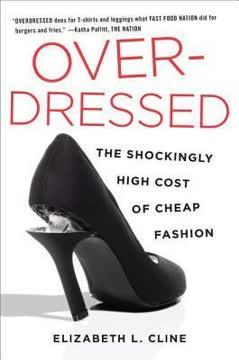
There was a time when clothing meant something. A dress was not merely an object you grabbed off a rack and discarded after two wears. It was an investment. It was cared for, mended, altered, and passed along. A pair of shoes could last a decade. A coat might be worn for a lifetime.
**Author:** Elizabeth L. Cline **Estimated Reading Time:** 45 minutes
The real story behind the cheap clothes filling your closet, why the $15 dress is far more expensive than it appears, and how the fashion industry transformed from a source of pride and craftsmanship into a global system of waste and exploitation. You will discover practical ways to rebuild a meaningful relationship with what you wear.
Anyone who has ever bought a piece of clothing they never wore. Anyone who has looked at an overflowing closet and felt they had nothing to wear. Anyone who suspects that the bargain they found at the mall came at a cost they never saw. And anyone ready to think differently about the clothes on their back.
There was a time when clothing meant something. A dress was not merely an object you grabbed off a rack and discarded after two wears. It was an investment. It was cared for, mended, altered, and passed along. A pair of shoes could last a decade. A coat might be worn for a lifetime. That world has vanished. Today, the average American buys roughly sixty-four new pieces of clothing every year. That is more than one new garment per week. We own more clothes than any generation in history, yet we wear a smaller percentage of them than ever before. Our closets overflow while we stand in front of them each morning feeling we have nothing to wear. The reason is simple. Clothing has become absurdly cheap. A dress at Forever 21 costs less than a sandwich. A pair of shoes at Payless costs less than a movie ticket. A t-shirt at H&M costs less than the coffee you bought on the way to the store. When clothing costs almost nothing, we treat it as if it is worth almost nothing. We buy on impulse. We discard without thought. We chase trends that change faster than the seasons. But the low price tag is a lie. Someone, somewhere, paid the real cost. The garment worker in Bangladesh who earned pennies to sew that dress paid it. The environment, poisoned by the chemicals used to dye that fabric, paid it. The American manufacturing towns hollowed out when factories moved overseas paid it. The landfills swelling with discarded clothes paid it. And ultimately, we pay it too, in the form of a wardrobe full of clothes we do not love, do not wear, and do not value. Elizabeth L. Cline wrote *Overdressed* to expose this hidden system. She did not write it from an ivory tower. She wrote it as a participant, a consumer who once loved cheap fashion as much as anyone. She shopped at Forever 21 and H&M.…
Continue reading in the MinuteRead app
Get the complete 30-minute summary of Overdressed
Get the complete summary in the appCheap clothing is not actually cheap. The true costs are hidden in the supply chain.
The average American buys far more clothing than they need or use.
Fast fashion depends on overconsumption and waste.
The fashion industry is one of the most environmentally destructive industries on the planet.
Garment workers in developing countries earn poverty wages and work in dangerous conditions.
Quality clothing is a better value than cheap clothing when measured in cost per wear.
"Overdressed" is a strong fit if you want practical ideas around fashion, sustainability, environment, especially themes like cheap clothing is not actually cheap. the true costs are hidden in the supply chain; the average american buys far more clothing than they need or use. The MinuteRead summary distills these concepts into a focused read, whether you're deciding whether to buy the book or applying its lessons at work.
Elizabeth L. Cline is a journalist and author specializing in fashion, labor, and the environment. She gained recognition for her book "Overdressed," which exposed the hidden costs of fast fashion. Cline's work combines personal experiences with extensive research, including visits to garment factories in China and Bangladesh. Her writing style is accessible and engaging, making complex issues relatable to average consumers. Cline advocates for more sustainable and ethical fashion practices, enc…
View all summaries by Elizabeth L. ClineContinue Reading
Access the complete 30-minute summary and thousands more nonfiction books in the MinuteRead app.

Continue reading the complete summary in the MinuteRead app.