MinuteRead
30 min
Book summary
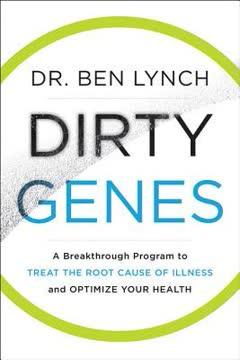
by Ben Lynch
Premium summary · Opens in the app · 30 min read
For decades, we have been told a story about our genes that is both comforting and terrifying. The comforting part is that our health problems are not our fault. The terrifying part is that they are inevitable. If your mother had depression, you will probably have depression. If your father had heart disease, you will probably have heart disease. Your genetic code was written before you were born, and you are simply living out its instructions.
**Author:** Ben Lynch, ND
**Estimated Reading Time:** 45 minutes
**What You'll Learn:**
- Why your genes are not fixed sentences but dynamic responses to your daily choices - How the Methylation Cycle influences over 200 functions in your body - What seven key genes do and how to support each one - A practical two-phase protocol for cleaning your genes - How to personalize your approach based on your unique genetic profile
**Who This Book Is For:**
This book is for anyone who has ever felt trapped by their family health history. It is for people who struggle with low energy, mood swings, brain fog, food sensitivities, or chronic health issues that doctors cannot quite explain. It is for the curious person who wants to understand why they react differently to coffee, stress, or certain foods than their friends do. If you have ever wondered whether your health challenges are simply "in your genes" and therefore unavoidable, this book will change how you think about your body.
For decades, we have been told a story about our genes that is both comforting and terrifying. The comforting part is that our health problems are not our fault. The terrifying part is that they are inevitable. If your mother had depression, you will probably have depression. If your father had heart disease, you will probably have heart disease. Your genetic code was written before you were born, and you are simply living out its instructions. This story is wrong. The emerging science of epigenetics tells a different story. Your genes are not a fixed script. They are more like a library of possibilities. Which books get read, which chapters get highlighted, and which pages get ignored depends largely on your environment, your diet, your stress levels, your sleep, and your daily habits. You are not a passive victim of your DNA. You are an active participant in how your genes express themselves. Dr. Ben Lynch, a naturopathic doctor and pioneer in the field of nutrigenomics, has spent his career translating this complex science into practical guidance. In Dirty Genes, he introduces a powerful framework for understanding why some people thrive while others struggle with the same genetic variations. The answer, he argues, is not simply which genes you inherited. It is whether those genes are "clean" or "dirty." A clean gene is functioning optimally. It is producing the right amount of enzymes, processing neurotransmitters efficiently, and supporting the biochemical reactions your body needs to feel energized, focused, and balanced. A dirty gene is sluggish or overactive. It is struggling to do its job, often because it lacks the nutrients it needs or because it is being overwhelmed by environmental toxins, chronic stress,…
Continue reading in the MinuteRead app
Get the complete 30-minute summary of Dirty Genes
Get the complete summary in the appYour genes are not your destiny. Your lifestyle choices affect how your genes express themselves.
Methylation is a master biochemical process that affects over 200 functions in your body.
MTHFR is the gene that initiates methylation. Support it with natural folate from leafy greens and avoid synthetic folic
COMT regulates your stress response. Slow COMT means better focus but more anxiety. Fast COMT means better resilience bu
DAO breaks down histamine. Impaired DAO function causes histamine intolerance, which is often misdiagnosed as allergies.
MAOA affects mood and carb cravings. Fast MAOA is associated with depression. Slow MAOA is associated with anxiety.
"Dirty Genes" is a strong fit if you want practical ideas around health & fitness, health, science, especially themes like your genes are not your destiny. your lifestyle choices affect how your genes express themselves; methylation is a master biochemical process that affects over 200 functions in your body. The MinuteRead summary distills these concepts into a focused read, whether you're deciding whether to buy the book or applying its lessons at work.
Dr. Ben Lynch, ND is a naturopathic doctor and expert in the field of nutrigenomics and epigenetics. He is known for his work on genetic polymorphisms, particularly the MTHFR gene. Lynch has authored books on genetic health and founded a supplements company. His approach focuses on addressing the root causes of health issues through lifestyle changes and targeted supplementation. Lynch's work has gained popularity in functional and alternative medicine circles, though some critics question the s…
View all summaries by Ben LynchContinue Reading
Access the complete 30-minute summary and thousands more nonfiction books in the MinuteRead app.

Continue reading the complete summary in the MinuteRead app.