MinuteRead
30 min
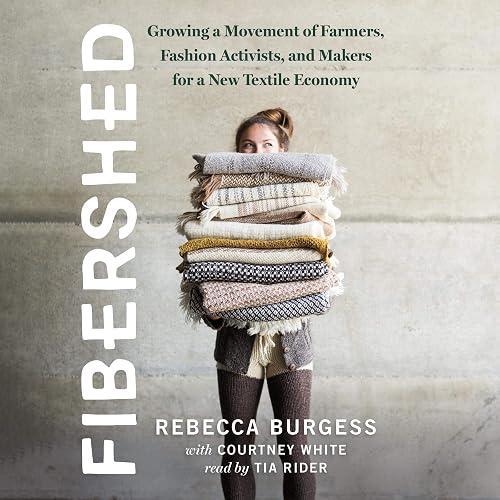
Book summary
by Rebecca Burgess
Premium summary · Opens in the app · 30 min read
Every morning, billions of people pull clothing over their bodies without a second thought. A shirt made in Bangladesh. Pants assembled in Vietnam. A sweater knit in China from wool grown in Australia and processed in India. The global textile industry has achieved something unprecedented in human history: it has made clothing so cheap and so abundant that we have lost all connection to where it comes from.
**Author:** Rebecca Burgess
**Estimated Reading Time:** 42 minutes
**What You'll Learn:**
- Why the global textile industry has become one of the most environmentally destructive systems on Earth - How the Fibershed movement is rebuilding regional textile economies from the soil up - What soil-to-soil clothing means and why carbon farming could transform fashion - Which plant and animal fibers offer genuine alternatives to synthetic materials - How to participate in building a textile system that heals rather than harms
**Who This Book Is For:**
Anyone who wears clothes. But more specifically, this book is for people who sense that something is deeply wrong with the way we produce and consume clothing, and who want to understand what a genuine alternative looks like. It is for farmers, designers, makers, activists, and consumers who believe that the clothes on our backs should not come at the cost of poisoned rivers, exploited workers, and a destabilized climate.
Every morning, billions of people pull clothing over their bodies without a second thought. A shirt made in Bangladesh. Pants assembled in Vietnam. A sweater knit in China from wool grown in Australia and processed in India. The global textile industry has achieved something unprecedented in human history: it has made clothing so cheap and so abundant that we have lost all connection to where it comes from. The numbers tell a troubling story. In 2015, the average person bought 60 percent more garments than in the year 2000, while keeping each item for half as long. We buy more clothes than ever before and we wear them fewer times. The result is a mountain of waste. In the United States, only about 15 percent of used clothing is recycled. The rest ends up in landfills or incinerators, or gets shipped to developing countries where it overwhelms local markets and destroys domestic textile industries. But the waste problem is only the visible tip of a much larger crisis. The textile industry consumes vast quantities of water. It releases toxic pollutants into rivers and streams. It relies on thousands of synthetic compounds, many of them linked to cancer and other diseases, that persist in the environment long after the clothing they helped create has been discarded. Cotton farming, which accounts for approximately 30 percent of all textile fibers, depends heavily on genetically modified crops and intensive pesticide use. The production of synthetic fibers like polyester contributes significantly to greenhouse gas emissions. And beneath all of this sits a labor system that employs millions of people in developing countries under conditions that range from exploitative to deadly. The Rana Plaza collapse in Bangladesh in 2013, which killed over 1,100 garment workers, briefly focused global attention on these…
Continue reading in the MinuteRead app
Get the complete 30-minute summary of Fibershed
Get the complete summary in the appThe global textile industry is one of the most environmentally destructive systems on Earth, consuming vast amounts of w
Fast fashion has transformed clothing from a durable good into a disposable commodity, with the average person buying 60
A fibershed is a geographic region that produces the fiber, dyes, and labor needed to clothe its own population, typical
Soil is the largest accessible carbon sink, and carbon farming practices can transform fiber production from a net emitt
Processing mills are the most critical infrastructure investment for rebuilding regional textile systems, and their abse
Synthetic biology is not a genuine solution to the textile industry's problems. It shifts environmental burdens rather t
"Fibershed" is a strong fit if you want practical ideas around fashion, environment, sustainability, especially themes like the global textile industry is one of the most environmentally destructive systems on earth, consuming vast amounts of w; fast fashion has transformed clothing from a durable good into a disposable commodity, with the average person buying 60. The MinuteRead summary distills these concepts into a focused read, whether you're deciding whether to buy the book or applying its lessons at work.
Motivated to help readers with "We buy more clothes than ever before [and] we wear them fewer times." Fast fashion's toll, Rebecca Burgess wrote “Fibershed” to package those ideas for a fast, focused read. In “Fibershed”, Rebecca Burgess focuses on "We buy more clothes than ever before [and] we wear them fewer times." Fast fashion's toll. Through “Fibershed”, Rebecca Burgess distills the core ideas on fashion into lessons readers can absorb in a single short sitting. Readers turn to this work wh…
Continue Reading
Access the complete 30-minute summary and thousands more nonfiction books in the MinuteRead app.

Continue reading the complete summary in the MinuteRead app.