MinuteRead
30 min
Book summary
by Jill Leovy
Premium summary · Opens in the app · 5 min read
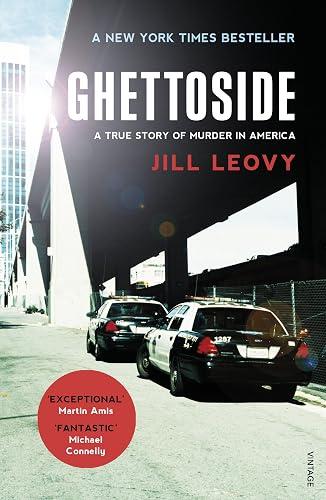
Ghettoside explains the history of homicide in the United States and why particularly black communities struggle with high murder rates, as well as what can and must be done to change the status quo for the better.
Ghettoside explains the history of homicide in the United States and why particularly black communities struggle with high murder rates, as well as what can and must be done to change the status quo for the better.
Usually, the state is the only institution that’s allowed to use violence to ensure the law is held in place, for example by arresting people, breaking up fights and riots, or, worst case, fire back if someone runs amok. In an ideal world, the police wouldn’t even have to use these measures. But even if our world isn’t perfect, in most places where installed, this system works well.
However, because of the complicated history of black people in the United States, with all its racism and discrimination, the supremacist leaders in the late 1800s and early 1900s never made a big effort to popularize the state monopoly on violence model in black communities.
In turn, these black communities came up with their own, alternative systems of justice. Thus, violence became a legitimate tool in solving your issues – if you can’t rely on the police to protect you, you might take matters in your own hands.
And because these systems replace the governmental law where in effect, they make it very hard for police to get access later. For example, the LAPD rarely gets people in South Central to talk about crimes, because being a “snitch” (=traitor) is a death sentence by the law of the street.
In essence, these problems don’t cause disregard for the law, they’re the result of no proper legal system having ever been put in place to begin with.
The best way to deal with a problem is to prevent it, right? Technically, yes, but in this case prevention doesn’t work. The LAPD has a strong tradition of patrolling, mass arrests and punishing little crimes, like possession of marijuana or shoplifting – all preventative measures.
In the case of the high homicide rates in LA though, this carries two problems:
The people in charge of dealing with these bigger issues are underfunded and understaffed. Detectives often can’t solve cases, because they lack the staff, resources and time. The victims and their families disrespect the police even more, because they punish them for trivialities, but don’t seem to care about the real issues like violence and murder.
If people are so hopeless and desperate about the legal system that they’ve come up with and accepted their own jurisdiction, there’s nothing to prevent any longer. You have to restore peoples’ faith in the original system.
But how do you do that?
Continue reading in the MinuteRead app
Get the complete 5-minute summary of Ghettoside
Get the complete summary in the appHistorically, black communities have developed their own, internal justice systems, which causes higher crime rates.
Because US police focuses on prevention, they approach the problem from the wrong end.
The only way to restore peoples’ faith in the legal system is to start solving murder cases, no matter the race of the victim.
"Ghettoside" is a strong fit if you want practical ideas around culture, history, politics, especially themes like historically, black communities have developed their own, internal justice systems, which causes higher crime rates; because us police focuses on prevention, they approach the problem from the wrong end. The MinuteRead summary distills these concepts into a focused read, whether you're deciding whether to buy the book or applying its lessons at work.
Motivated to help readers with ghettoside explains the history of homicide in the United States and why particularly black communities, Jill Leovy wrote “Ghettoside” to package those ideas for a fast, focused read. In “Ghettoside”, Jill Leovy focuses on ghettoside explains the history of homicide in the United States and why particularly black communities. Through “Ghettoside”, Jill Leovy distills the core ideas on history into lessons readers can absorb in a single short sitting. Readers turn t…
View all summaries by Jill LeovyContinue Reading
Access the complete 5-minute summary and thousands more nonfiction books in the MinuteRead app.

Continue reading the complete summary in the MinuteRead app.