MinuteRead
30 min
Book summary
Premium summary · Opens in the app · 30 min read
Hector is a psychiatrist. He is good at his job, lives in a comfortable apartment in a European city, and is in love with a woman named Clara. By any ordinary measure, he should be content. But something is wrong. His patients, successful people with careers and families and money, keep coming to his office unhappy. They tell him they feel empty, restless, unable to enjoy what they have. Hector listens, prescribes, reassures, and watches them return week after week with the same complaints.
### by François Lelord
**Estimated Reading Time:** 18 minutes
**What This Story Explores:** A young psychiatrist's journey across continents and cultures to understand why his patients, and perhaps he himself, cannot seem to find lasting happiness. It is a story about the gap between knowing what should make us happy and actually feeling it.
**Who This Book Is For:** Readers who enjoy philosophical novels wrapped in the warmth of a fable, anyone who has ever wondered why life feels more complicated than it should, and those who appreciate stories that ask big questions with a light touch.
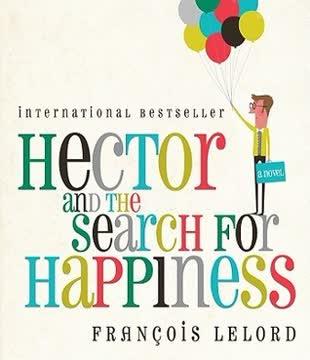
Hector is a psychiatrist. He is good at his job, lives in a comfortable apartment in a European city, and is in love with a woman named Clara. By any ordinary measure, he should be content. But something is wrong. His patients, successful people with careers and families and money, keep coming to his office unhappy. They tell him they feel empty, restless, unable to enjoy what they have. Hector listens, prescribes, reassures, and watches them return week after week with the same complaints. Then one day Hector realizes something uncomfortable. He is not sure he knows what happiness actually is. He has read the studies and the theories. He can explain the neurochemistry of pleasure and the psychology of mood. But when a patient asks him directly whether he is happy, Hector finds he cannot answer with confidence. He has the unsettling sense that he has been treating people for a condition he does not truly understand. So Hector decides to do something unusual for a psychiatrist. He decides to go looking for happiness. Not in books or conferences, but out in the world, among people living ordinary and extraordinary lives. He takes a leave from his practice, says goodbye to Clara, and sets off on a journey that will carry him across continents, through war zones and luxury hotels, into monasteries and nightclubs, and into conversations with people who have thought deeply about what makes life worth living. The novel that follows is part travelogue, part philosophical inquiry, and part love story. It is written with a deceptively simple style, almost like a modern fable, and yet it asks questions that are anything but simple. Lelord, a psychiatrist himself, wrote the book after years of listening to patients describe the gap between their external success and their internal dissatisfaction. He wanted to explore whether happiness could be understood, taught, or even found. The tone is gentle and often funny. Hector is an endearing protagonist, earnest and a little naive, genuinely curious about the people he meets. The novel does not pretend to offer definitive answers. Instead, it gathers observations, the way…
Continue reading in the MinuteRead app
Get the complete 30-minute summary of Hector and the Search for Happiness
Get the complete summary in the appHector is a psychiatrist. He is good at his job, lives in a comfortable apartment in a European city, and is in love with a woman named Clara. By any ordinary measure, he should be content. But something is wrong. His patients, successful p
"Hector and the Search for Happiness" will resonate with readers drawn to psychology, contemporary, book club. Hector is a psychiatrist. He is good at his job, lives in a comfortable apartment in a European city, and is in love with a woman named Clara. By any ordinary measure, he should be… Our summary captures the core argument so you can learn the essentials before committing to the full book.
François Lelord is a French psychiatrist and author born in Paris in 1953. After earning his doctorate and conducting research at UCLA, he worked at Hôpital Necker in Paris before opening his own practice. Lelord later became a corporate advisor on stress and job satisfaction. He authored several self-help books before writing his first novel, "Hector and the Search for Happiness," which became the first in a series featuring a psychiatrist protagonist. Lelord has lived and worked in Vietnam and…
View all summaries by François LelordContinue Reading
Access the complete 30-minute summary and thousands more nonfiction books in the MinuteRead app.

Continue reading the complete summary in the MinuteRead app.