MinuteRead
30 min
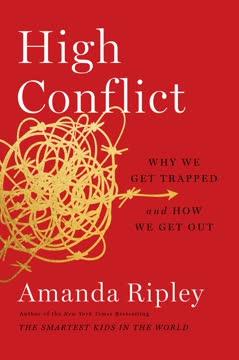
There is a particular kind of conflict that behaves less like a disagreement and more like a fire that feeds itself. It starts with a spark, some ordinary friction between people, and then something strange happens. The conflict stops being about the original issue and becomes about winning, about proving the other side wrong, about surviving an attack on who you are. The people involved begin to act in ways that make no sense from the outside. They sacrifice money, relationships, health, and re
**Author:** Amanda Ripley
**Estimated Reading Time:** 42 minutes
**What You'll Learn:**
- Why some conflicts become addictive and self-destructive - How binary thinking traps us in cycles of blame - The role of humiliation, corruption, and group identity in fueling feuds - What conflict entrepreneurs do and how to recognize them - Practical tools for escaping high conflict in your own life - How to build systems that encourage healthy disagreement instead of toxic division
**Who This Book Is For:**
Anyone who has watched a family argument spiral out of control, felt trapped in a political feud, witnessed a workplace dispute become personal, or wondered why reasonable people sometimes act against their own interests when conflict takes hold. This book is for people who want to understand the mechanics of destructive conflict and learn how to break free.
There is a particular kind of conflict that behaves less like a disagreement and more like a fire that feeds itself. It starts with a spark, some ordinary friction between people, and then something strange happens. The conflict stops being about the original issue and becomes about winning, about proving the other side wrong, about surviving an attack on who you are. The people involved begin to act in ways that make no sense from the outside. They sacrifice money, relationships, health, and reputation. They do things they would never have imagined doing. And yet they cannot seem to stop. Amanda Ripley has spent years studying this phenomenon. She calls it high conflict, and she argues that it is one of the most underestimated forces shaping our lives. High conflict is not just a bigger version of normal conflict. It is a different state of mind altogether. In healthy conflict, people disagree about something specific. They argue, they negotiate, they compromise, and eventually they move on. The conflict serves a purpose. It clarifies differences and leads to some kind of resolution. But high conflict does the opposite. It becomes the purpose. It takes over identities, consumes attention, and demands loyalty. It creates an us and a them, and it insists that one side is good and the other side is evil. The problem is that high conflict feels meaningful. It gives people a sense of purpose, belonging, and moral clarity. That is why it is so hard to leave. When you are inside a high conflict, the world seems simple. You know who you are. You know who your enemies are. You know what you are fighting for. The uncertainty and messiness of ordinary life fade away. In their place is a story, and you are the hero of that story. But the story is a trap. Ripley compares high conflict to…
Continue reading in the MinuteRead app
Get the complete 30-minute summary of High Conflict
Get the complete summary in the appHigh conflict is a self-perpetuating system that traps people, not just a bigger version of normal disagreement.
Binary thinking fuels high conflict by eliminating the middle ground and making compromise feel like betrayal.
Group identity amplifies conflict by spreading pain and creating pressure to conform.
Conflict entrepreneurs benefit from keeping conflicts alive and actively work to escalate them.
Humiliation is a major trigger for violence and revenge, and it creates a cycle that is hard to break.
Corruption erodes trust and makes peaceful conflict resolution seem impossible.
"High Conflict" is a strong fit if you want practical ideas around psychology, self help, politics, especially themes like high conflict is a self-perpetuating system that traps people, not just a bigger version of normal disagreement; binary thinking fuels high conflict by eliminating the middle ground and making compromise feel like betrayal. The MinuteRead summary distills these concepts into a focused read, whether you're deciding whether to buy the book or applying its lessons at work.
Amanda Ripley is an acclaimed investigative journalist and bestselling author known for her insightful explorations of human behavior in challenging situations. Her work spans topics from education to disaster response, with a focus on understanding and improving societal issues. Ripley's writing has earned her numerous accolades, including contributing to Time magazine's National Magazine Awards. With a career spanning over a decade, she has established herself as a respected voice in journalis…
View all summaries by Amanda RipleyContinue Reading
Access the complete 30-minute summary and thousands more nonfiction books in the MinuteRead app.

Continue reading the complete summary in the MinuteRead app.