MinuteRead
30 min
Book summary
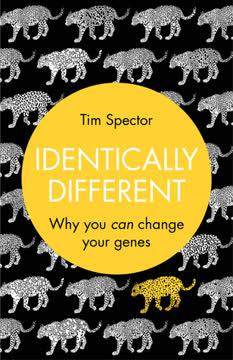
by Tim Spector
Premium summary · Opens in the app · 30 min read
For decades, a simple story dominated biology and popular culture alike. Your genes were your fate. You inherited a fixed code from your parents, and that code determined everything from your height to your personality to the diseases you would eventually develop. The Human Genome Project, completed in 2003, was supposed to deliver the final word: a complete map of human destiny written in DNA.
**Author:** Tim Spector
**Estimated Reading Time:** 45 minutes
**What You'll Learn:** Why your genes are not your destiny. How your choices, experiences, and environment can switch genes on and off. Why identical twins grow more different with age. How trauma echoes across generations. And what you can do today to shape your genetic future and the future of your children.
**Who This Book Is For:** Anyone who has ever believed they were stuck with the genes they inherited. Anyone curious about why siblings turn out so differently. Anyone who wants to understand the hidden forces shaping health, personality, and identity. And anyone ready to take practical control over their biological destiny.
For decades, a simple story dominated biology and popular culture alike. Your genes were your fate. You inherited a fixed code from your parents, and that code determined everything from your height to your personality to the diseases you would eventually develop. The Human Genome Project, completed in 2003, was supposed to deliver the final word: a complete map of human destiny written in DNA. But something strange happened when scientists began comparing that map to real human lives. Identical twins, who share one hundred percent of their DNA, did not develop identical diseases. One twin would get cancer. The other would not. One would develop depression. The other would thrive. If genes were truly destiny, these differences should not exist. Yet they appear everywhere, in every twin study ever conducted. This book exists because the old story is wrong. Not slightly wrong. Fundamentally wrong. Tim Spector, a professor of genetic epidemiology at King's College London and director of the TwinsUK registry, has spent his career studying thousands of identical twins. His research has led him to a conclusion that overturns decades of genetic determinism: your genes are not a fixed blueprint. They are more like a vast library of possibilities, and your life determines which books get read. The field that explains this is epigenetics. The prefix "epi" comes from Greek, meaning "above" or "on top of." Epigenetics studies the chemical markers that sit on top of your DNA and control which genes are active and which remain silent. These markers do not change your genetic code. They change what your code does. And here is the revolutionary part: your experiences, your diet, your stress levels, your relationships, and even your grandparents' experiences can alter these markers. You can change your genes. Not by rewriting your DNA sequence, but by changing which genes express themselves. And some of those changes can be passed to your children and grandchildren. The problem this book addresses is the quiet despair that genetic determinism creates. When people believe they are powerless against…
Continue reading in the MinuteRead app
Get the complete 30-minute summary of Identically Different
Get the complete summary in the appGenes are not destiny. They are dynamic and responsive to your life.
Epigenetic marks can silence or activate genes without changing your DNA sequence.
Identical twins diverge over time because their experiences leave different epigenetic marks.
The first three years of life are a critical window for epigenetic programming.
Trauma and famine can leave epigenetic legacies that persist for generations.
Your gut microbiome contains twenty times more genes than your human genome and influences your gene expression.
"Identically Different" is a strong fit if you want practical ideas around science, health, biology, especially themes like genes are not destiny. they are dynamic and responsive to your life; epigenetic marks can silence or activate genes without changing your dna sequence. The MinuteRead summary distills these concepts into a focused read, whether you're deciding whether to buy the book or applying its lessons at work.
Tim Spector is a distinguished Professor of Genetic Epidemiology at Kings College, London, and Director of the TwinsUK Registry. His research career since 1992 has focused on demonstrating the genetic basis of common diseases previously attributed to aging and environment. Spector's work has led to the discovery of over 400 novel genes in more than 30 diseases. He has published extensively in prestigious journals and authored several books for both scientific and public audiences. Currently, Spe…
View all summaries by Tim SpectorContinue Reading
Access the complete 30-minute summary and thousands more nonfiction books in the MinuteRead app.

Continue reading the complete summary in the MinuteRead app.