MinuteRead
30 min
Book summary
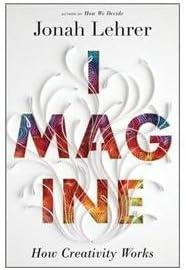
by Jonah Lehrer
Premium summary · Opens in the app · 30 min read
For most of human history, creativity was treated as a mystery. The ancient Greeks believed inspiration came from the Muses, divine beings who whispered ideas into the ears of chosen mortals. The Romantics celebrated the lone genius, the tortured artist struck by lightning bolts of inspiration. Even today, we speak of "flashes of insight" and "sparks of genius" as though creativity were an inexplicable force that descends upon a fortunate few.
**Author:** Jonah Lehrer
**Estimated Reading Time:** 45 minutes
**What You'll Learn:**
- Why creativity is not a gift but a process that can be understood and cultivated - How the brain produces breakthrough insights and why they often arrive when you least expect them - What makes certain teams, cities, and cultures dramatically more innovative than others - Why persistence matters more than raw talent in creative work - How to design your environment, habits, and collaborations for more frequent creative breakthroughs
**Who This Book Is For:**
Anyone who has ever stared at a blank page, struggled to solve a difficult problem, or wondered why some people and places seem to generate brilliant ideas effortlessly. This book is for creators, entrepreneurs, educators, managers, and curious minds who want to understand the hidden mechanics of imagination and learn how to harness them.
For most of human history, creativity was treated as a mystery. The ancient Greeks believed inspiration came from the Muses, divine beings who whispered ideas into the ears of chosen mortals. The Romantics celebrated the lone genius, the tortured artist struck by lightning bolts of inspiration. Even today, we speak of "flashes of insight" and "sparks of genius" as though creativity were an inexplicable force that descends upon a fortunate few. This book argues otherwise. Creativity is not magic. It is not a rare gift bestowed upon a lucky minority. It is a process, one that follows observable patterns and operates according to discoverable principles. The imagination has a structure, and once you understand that structure, you can learn to work with it rather than waiting passively for inspiration to strike. The problem is that most of us have been taught to think about creativity in ways that actively undermine it. We believe that brainstorming sessions should be free of criticism, when research shows that debate and dissent actually produce better ideas. We assume that creative breakthroughs happen through intense focus, when in reality many of the most important insights arrive during moments of relaxation and distraction. We imagine that innovation comes from experts working deep within their fields, when outsiders with fresh perspectives often see solutions that insiders miss. These misconceptions matter because creativity is not a luxury. It is the engine of human progress. Every scientific discovery, every work of art, every technological breakthrough, every successful business innovation began as an idea in someone's mind. The ability to generate good ideas, and to recognize them when they appear, is among the most valuable skills a person can possess. Jonah Lehrer approaches this subject from an unusual angle. Rather than relying on inspirational anecdotes or abstract philosophy, he draws on neuroscience, psychology, and sociology to understand what actually…
Continue reading in the MinuteRead app
Get the complete 30-minute summary of Imagine
Get the complete summary in the appCreativity is not a gift but a process that can be understood and cultivated.
Creative insights emerge from unconscious processing, which is why they often arrive during moments of relaxation.
The conscious mind tends to get stuck in familiar patterns. Stepping back is often the best way to move forward.
Outsiders often make breakthroughs that elude experts because they are not constrained by established assumptions.
Grit matters more than talent. The people who succeed are those who keep working when others give up.
Traditional brainstorming does not work. Constructive criticism produces better ideas than uncritical acceptance.
"Imagine" is a strong fit if you want practical ideas around psychology, science, business, especially themes like creativity is not a gift but a process that can be understood and cultivated; creative insights emerge from unconscious processing, which is why they often arrive during moments of relaxation. The MinuteRead summary distills these concepts into a focused read, whether you're deciding whether to buy the book or applying its lessons at work.
Motivated to help readers with "The imagination is not meek — it doesn't wilt in the face of conflict, Jonah Lehrer wrote “Imagine” to package those ideas for a fast, focused read. In “Imagine”, Jonah Lehrer focuses on "The imagination is not meek — it doesn't wilt in the face of conflict. Through “Imagine”, Jonah Lehrer distills the core ideas on psychology into lessons readers can absorb in a single short sitting. Readers turn to this work when they want Jonah Lehrer's perspective on the subje…
View all summaries by Jonah LehrerContinue Reading
Access the complete 30-minute summary and thousands more nonfiction books in the MinuteRead app.

Continue reading the complete summary in the MinuteRead app.