MinuteRead
30 min
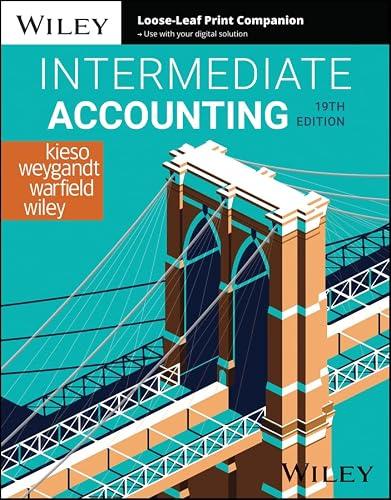
Book summary
by Donald E. Kieso
Premium summary · Opens in the app · 30 min read
Every day, billions of dollars move through capital markets. Investors buy shares in companies they have never visited. Creditors lend money to businesses they know only through documents. Pension funds allocate retirement savings across industries and borders. These decisions happen at extraordinary speed and scale, yet they all depend on a single assumption: that the financial information provided by companies is reliable enough to act upon.
**Author:** Donald E. Kieso
**Estimated Reading Time:** 45 minutes
**What You'll Learn:**
- Why accounting information drives the global capital marketplace - How financial reporting standards create trust between companies and investors - The conceptual framework that underlies all modern accounting practice - The roles of key stakeholders in the financial reporting environment - How professional judgment shapes the application of accounting principles - The foundational principles guiding recognition, measurement, and disclosure - How technology and integrated reporting are reshaping the profession
**Who This Book Is For:**
This book is for anyone who wants to understand the machinery behind financial statements. Whether you are a student building accounting expertise, an investor seeking to read financial reports with greater confidence, a business professional who relies on financial information, or a manager responsible for preparing disclosures, the ideas in this book will deepen your understanding of how accounting shapes economic decisions.
Every day, billions of dollars move through capital markets. Investors buy shares in companies they have never visited. Creditors lend money to businesses they know only through documents. Pension funds allocate retirement savings across industries and borders. These decisions happen at extraordinary speed and scale, yet they all depend on a single assumption: that the financial information provided by companies is reliable enough to act upon. This is where accounting enters the picture. Accounting is often described as the language of business, but that description understates its importance. Accounting is not merely a vocabulary for describing economic activity. It is the infrastructure that makes modern capital markets possible. Without a common set of standards for measuring and reporting financial performance, investors would have no basis for comparing one company to another. Creditors would have no reliable way to assess risk. The entire system of capital allocation, which fuels innovation, employment, and economic growth, would slow to a crawl. Donald E. Kieso's Intermediate Accounting is widely regarded as one of the most comprehensive treatments of financial reporting ever written. It has shaped how generations of accountants, auditors, and financial professionals understand their craft. At its heart, the book makes a compelling case: accounting is not a technical exercise in bookkeeping. It is a system for building trust between those who manage capital and those who provide it. The problem this book addresses is fundamental. Companies have better information about their own performance than anyone else. Managers know details about sales trends, cost pressures, competitive threats, and operational challenges long before that information reaches the public. This creates what economists call information asymmetry, a gap between what insiders know and what outsiders can observe. If left unaddressed, this gap would poison the capital markets. Investors would demand higher returns to compensate for the…
Continue reading in the MinuteRead app
Get the complete 30-minute summary of Intermediate Accounting
Get the complete summary in the appFinancial reporting exists to provide decision-useful information to investors and creditors.
Accrual accounting recognizes revenues when earned and expenses when incurred, providing a more accurate picture than ca
Information asymmetry between managers and outside stakeholders creates the need for standards and auditing.
The conceptual framework provides the principles that guide standard setting and professional judgment.
Relevance and representational faithfulness are the fundamental qualities of useful information.
Professional judgment is essential because standards cannot cover every situation.
"Intermediate Accounting" is a strong fit if you want practical ideas around accounting, business, economics, especially themes like financial reporting exists to provide decision-useful information to investors and creditors; accrual accounting recognizes revenues when earned and expenses when incurred, providing a more accurate picture than ca. The MinuteRead summary distills these concepts into a focused read, whether you're deciding whether to buy the book or applying its lessons at work.
Motivated to help readers with the information provided by accounting enables investors and creditors to compare the income and assets of, Donald E. Kieso wrote “Intermediate Accounting” to package those ideas for a fast, focused read. In “Intermediate Accounting”, Donald E. Kieso focuses on the information provided by accounting enables investors and creditors to compare the income and assets of. Through “Intermediate Accounting”, Donald E. Kieso distills the core ideas on accounting into lesso…
Continue Reading
Access the complete 30-minute summary and thousands more nonfiction books in the MinuteRead app.

Continue reading the complete summary in the MinuteRead app.