MinuteRead
30 min
Book summary
by Neil Gaiman
Premium summary · Opens in the app · 30 min read
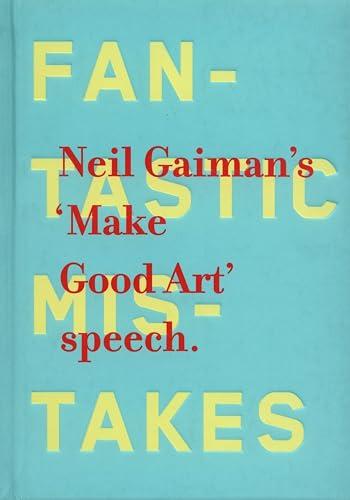
In May 2012, Neil Gaiman stood before the graduating class of the University of the Arts in Philadelphia and delivered a commencement address that would become one of the most widely shared creative manifestos of the digital age. He did not offer the usual platitudes about following your dreams or working hard. Instead, he offered something far more practical and far more honest: a map of the creative life drawn from decades of experience as a working writer.
**Author:** Neil Gaiman **Estimated Reading Time:** 35 minutes
**What You'll Learn:** - Why mistakes are not just inevitable but essential to creative growth - How to find and trust your unique creative voice - What to do when life falls apart and you still need to make work - How to navigate the practical realities of a creative career - Why saying no is one of the most important skills you can develop - How to define success on your own terms and keep moving toward it
**Who This Book Is For:** This book is for anyone who makes things. Writers, artists, musicians, designers, filmmakers, and creators of every kind. It is also for people who want to make things but feel stuck, afraid, or uncertain about where to begin. If you have ever wondered whether your work matters, whether you are good enough, or whether you should keep going, this book was written for you.
In May 2012, Neil Gaiman stood before the graduating class of the University of the Arts in Philadelphia and delivered a commencement address that would become one of the most widely shared creative manifestos of the digital age. He did not offer the usual platitudes about following your dreams or working hard. Instead, he offered something far more practical and far more honest: a map of the creative life drawn from decades of experience as a working writer. The speech, titled "Make Good Art," spread quickly across the internet. It resonated because it spoke to something universal among creative people: the fear of failure, the uncertainty of the path, the struggle to keep making work when the world seems indifferent or hostile. Gaiman's message was simple but profound. When you do not know what to do, make good art. When things go wrong, make good art. When you are lost, confused, or heartbroken, make good art. The problem this book addresses is as old as creativity itself. Every person who has ever tried to make something has faced the same questions. What if my work is not good enough? What if I fail? What if no one cares? What if I run out of ideas? What if I cannot make a living doing this? These questions stop countless people from ever starting, and they stop many more from continuing. Gaiman's approach is different because he does not pretend these fears are unfounded. He acknowledges that the creative life is hard. He admits that he has faced rejection, financial instability, creative blocks, and moments of profound doubt. But he also offers a way through. His central insight is that the act of making art itself is the answer to most of the problems that creative…
Continue reading in the MinuteRead app
Get the complete 30-minute summary of Make Good Art
Get the complete summary in the appMake good art. This is the answer to most of the problems you will face as a creative person.
Make glorious, amazing mistakes. The fear of mistakes is more damaging than mistakes themselves.
Your unique voice is your most valuable creative asset. Trust it.
When things get tough, make good art. It will help you process pain and find meaning.
Make up your own rules. The old structures are crumbling. Create your own path.
Deadlines are catalysts for creativity. Use them to overcome procrastination and perfectionism.
"Make Good Art" is a strong fit if you want practical ideas around art, writing, self help, especially themes like make good art. this is the answer to most of the problems you will face as a creative person; make glorious, amazing mistakes. the fear of mistakes is more damaging than mistakes themselves. The MinuteRead summary distills these concepts into a focused read, whether you're deciding whether to buy the book or applying its lessons at work.
Motivated to turn hard-won expertise into something readers can use every day, Neil Gaiman wrote “Make Good Art” to distill the ideas behind the work into clear, actionable lessons. Through “Make Good Art”, Neil Gaiman distills the core ideas on art into lessons readers can absorb in a single short sitting. Readers turn to this work when they want Neil Gaiman's perspective on the subject without working through the entire original volume. The book is structured so each chapter highlights a pract…
Continue Reading
Access the complete 30-minute summary and thousands more nonfiction books in the MinuteRead app.

Continue reading the complete summary in the MinuteRead app.