MinuteRead
30 min
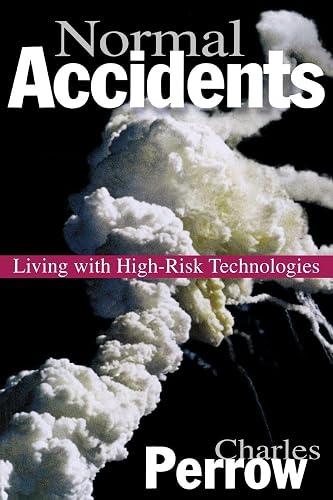
Book summary
by Charles Perrow
Premium summary · Opens in the app · 30 min read
On March 28, 1979, the Unit 2 reactor at Three Mile Island in Pennsylvania experienced a cooling malfunction. Within hours, the reactor core was partially melted, radioactive gas was released into the atmosphere, and roughly 140,000 people fled their homes. No one died that day. The containment building held. But the event shattered America's confidence in nuclear power and launched decades of investigation into what went wrong.
**Author:** Charles Perrow
**Estimated Reading Time:** 45 minutes
**What You'll Learn:**
- Why some catastrophic accidents are not aberrations but inevitable features of certain technologies - How complexity and tight coupling combine to create systems that will eventually fail - Why adding safety devices often makes dangerous systems more dangerous - What the Three Mile Island disaster reveals about organizational failure - How to think differently about risk, blame, and prevention in high-hazard industries
**Who This Book Is For:**
This book is for anyone who wants to understand why sophisticated technologies sometimes fail catastrophically despite our best efforts to prevent disaster. It is for engineers who design complex systems, managers who operate them, policymakers who regulate them, and citizens who live near them. It is also for anyone curious about the hidden vulnerabilities in the systems we depend on every day, from air travel to nuclear power to chemical manufacturing. If you have ever wondered why smart people operating advanced technology still make fatal mistakes, this book provides the answer.
On March 28, 1979, the Unit 2 reactor at Three Mile Island in Pennsylvania experienced a cooling malfunction. Within hours, the reactor core was partially melted, radioactive gas was released into the atmosphere, and roughly 140,000 people fled their homes. No one died that day. The containment building held. But the event shattered America's confidence in nuclear power and launched decades of investigation into what went wrong. The official inquiries found operator error. The operators had misread confusing instruments, shut off emergency cooling water, and failed to recognize the signs of a loss-of-coolant accident for hours. The Nuclear Regulatory Commission blamed training. The plant's owner blamed the operators. The operators blamed the equipment. Everyone agreed that human mistakes had caused the accident, and that better training, better procedures, and better operators would prevent it from happening again. Charles Perrow saw something different. Perrow, a sociologist at Yale University who had spent his career studying organizations, was invited to serve on a presidential commission investigating the accident. What he found disturbed him more than simple human error. The operators at Three Mile Island were not incompetent. They were experienced, well-trained professionals doing exactly what their training told them to do. The problem was not that they made mistakes. The problem was that the system they operated was so complex, and its components so tightly linked, that their mistakes were inevitable. Given enough time, someone would eventually make the same errors, because the system itself made those errors almost unavoidable. This insight became the foundation of Normal Accident Theory, one of the most influential ideas in the study of technological risk. Perrow's argument is both simple and deeply unsettling: some accidents are…
Continue reading in the MinuteRead app
Get the complete 30-minute summary of Normal Accidents
Get the complete summary in the appNormal accidents are inevitable in complex, tightly coupled systems with catastrophic potential.
Interactive complexity and tight coupling are the two characteristics that determine a system's vulnerability to normal
Safety devices often increase risk by adding complexity, creating new failure modes, and encouraging risk compensation.
Operator error is usually a symptom of system design, not a cause of accidents.
Blaming individuals prevents us from addressing the systemic causes of accidents.
Organizational factors, including poor communication and production pressure, often contribute more to accidents than te
"Normal Accidents" is a strong fit if you want practical ideas around science, sociology, technology, especially themes like normal accidents are inevitable in complex, tightly coupled systems with catastrophic potential; interactive complexity and tight coupling are the two characteristics that determine a system's vulnerability to normal. The MinuteRead summary distills these concepts into a focused read, whether you're deciding whether to buy the book or applying its lessons at work.
Motivated to help readers with normal accidents are inevitable in complex, Charles Perrow wrote “Normal Accidents” to package those ideas for a fast, focused read. In “Normal Accidents”, Charles Perrow focuses on normal accidents are inevitable in complex. Through “Normal Accidents”, Charles Perrow distills the core ideas on science into lessons readers can absorb in a single short sitting. Readers turn to this work when they want Charles Perrow's perspective on the subject without working throu…
Continue Reading
Access the complete 30-minute summary and thousands more nonfiction books in the MinuteRead app.

Continue reading the complete summary in the MinuteRead app.