MinuteRead
30 min
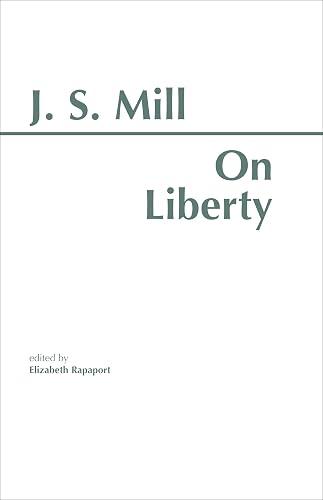
On Liberty is the philosophy classic that laid the foundation of modern liberal politics, by applying the concept of utilitarianism to societies and countries, in order to create a working system between authority and liberty.
On Liberty is the philosophy classic that laid the foundation of modern liberal politics, by applying the concept of utilitarianism to societies and countries, in order to create a working system between authority and liberty.
Ancient Greece, England, pre-World War II Germany, Libya, Egypt, Cambodia – we all know plenty of cases of dictatorships and need not discuss the terrible consequences a single-leader tyranny can bring about.
Today we widely accept democracy as a useful tool to limit the power of political authorities by letting the people elect their political representatives.
But Mill says democracy alone still isn’t enough to ensure personal liberty.
Why?
Because in this model, the majority rules over the individual.
Yes, the elected officials are what the majority wants, but that’s not the same as allowing each individual to govern him- or herself.
Personal freedom can still be threatened in a democracy by something that he calls social tyranny.
This happens when the majority imposes their own opinions, views and beliefs on individuals who don’t agree.
For example, while today a lot of religions are common and accepted in the US, as recently as 1950, 91% of all Americans were Christians.
It’s easy to imagine that all people from other religions were often criticized, excluded and sometimes even prosecuted, just for holding a different belief than the majority.
So no, democracy alone won’t solve all of our problems.
One of the rational principles that Mill suggests we adopt in order to truly assure personal freedom is that we meddle in and limit other people’s freedom only when the reason is that we want to save them or others from harm.
There are 3 possible scenarios where interference with personal freedom can prevent harm:
Harm by default Harm by omission Harm by accident
Some examples: Harm by default means a person is known to cause harm to him or herself or others under certain conditions. In that case, legal entities should restrict their freedom until said conditions are cleared. This could mean punishing drug addicts with prison time, letting drunks sober up at the police station, or heavy fines for reckless drivers.
Harm by omission could be bystanders watching a murder, or tax evasion. In this case the government should use certain government agencies, like the IRA, to enforce people’s contribution to the greater good.
Harm by accident could literally mean pulling someone away from a nearing train and holding them back or catching a falling child, because it’s safe to assume that the harm they would’ve endured was unintended.
These are scenarios in which limiting freedom would be okay, because it helps the greater good, but in the next lesson, it wouldn’t.
Continue reading in the MinuteRead app
Get the complete 5-minute summary of On Liberty
Get the complete summary in the appDemocracy alone does not guarantee personal freedom.
It’s only okay to limit people’s freedom when you’re trying to save them from harm.
False opinions are good and important.
"On Liberty" is a strong fit if you want practical ideas around culture, history, philosophy, especially themes like democracy alone does not guarantee personal freedom; it’s only okay to limit people’s freedom when you’re trying to save them from harm. The MinuteRead summary distills these concepts into a focused read, whether you're deciding whether to buy the book or applying its lessons at work.
Motivated to help readers with the philosophy classic that laid the foundation of modern liberal politics, John Stuart Mill wrote “On Liberty” to package those ideas for a fast, focused read. In “On Liberty”, John Stuart Mill focuses on the philosophy classic that laid the foundation of modern liberal politics. Through “On Liberty”, John Stuart Mill distills the core ideas on history into lessons readers can absorb in a single short sitting. Readers turn to this work when they want John Stuart M…
View all summaries by John Stuart MillContinue Reading
Access the complete 5-minute summary and thousands more nonfiction books in the MinuteRead app.

Continue reading the complete summary in the MinuteRead app.