MinuteRead
30 min
Book summary
Premium summary · Opens in the app · 30 min read
We like to believe we are good judges of character. When we meet someone new, we form impressions quickly: she seems confident, he seems trustworthy, she seems like a natural leader. These impressions feel real and reliable. We act on them. We hire the candidate who charmed us in the interview. We trust the colleague who makes strong eye contact. We assume the quiet student lacks ambition.
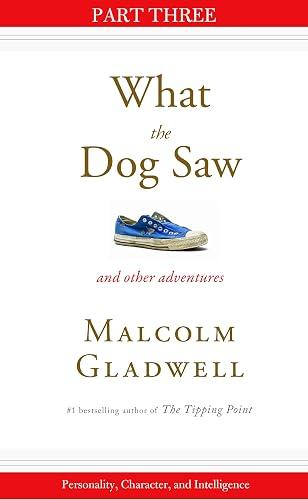
**Author:** Malcolm Gladwell
**Estimated Reading Time:** 45 minutes
**What You'll Learn:**
- Why the snap judgments we make about people are both powerful and deeply flawed - How the "talent myth" led to one of the biggest corporate collapses in American history - Why traditional job interviews fail to predict performance - What criminal profiling gets wrong about human behavior - How to build better systems for evaluating people in every area of life
**Who This Book Is For:**
This book is for anyone who makes decisions about people: hiring managers, teachers, parents, coaches, and anyone who has ever formed an opinion about someone within seconds of meeting them. It is for readers who want to understand why their intuition sometimes leads them astray and what they can do about it.
We like to believe we are good judges of character. When we meet someone new, we form impressions quickly: she seems confident, he seems trustworthy, she seems like a natural leader. These impressions feel real and reliable. We act on them. We hire the candidate who charmed us in the interview. We trust the colleague who makes strong eye contact. We assume the quiet student lacks ambition. But what if these judgments are not as reliable as they feel? Malcolm Gladwell has spent his career examining the hidden forces that shape human behavior. In this work, he turns his attention to one of the most consequential questions we face: how do we evaluate other people, and why do we so often get it wrong? The problem is not that we lack information about people. The problem is that we trust the wrong kinds of information. We trust our gut when we should trust data. We trust charisma when we should trust competence. We trust individual brilliance when we should trust systems and processes. Consider the job interview. It is one of the most common rituals in professional life. Nearly every organization uses interviews to make hiring decisions. Yet decades of research show that unstructured interviews are terrible predictors of job performance. A candidate who performs well in a thirty-minute conversation may be no better at the actual job than someone who fumbles through the interview. The interview is biased toward the personable, the articulate, the attractive. It rewards people who are good at interviews, not people who are good at work. This is not a minor problem. It affects every organization that hires people. It affects every school that admits students. It affects every court that evaluates defendants. When we rely on flawed methods of judging people, we make bad decisions with real consequences. Gladwell's approach is different from the typical self-help advice about improving your judgment. He does…
Continue reading in the MinuteRead app
Get the complete 30-minute summary of Personality, Character, and Intelligence
Get the complete summary in the appFirst impressions are powerful but potentially misleading. Treat them as hypotheses, not conclusions.
The talent myth overvalues individual brilliance and undervalues systems. Enron is the cautionary tale.
Criminal profiling is often no better than guesswork. Different offenders can exhibit the same behaviors for different r
Unstructured job interviews are poor predictors of performance. Use structured interviews instead.
The fundamental attribution error leads us to overestimate personality and underestimate context.
Generalizations are necessary but dangerous. They are useful for groups but unreliable for individuals.
"Personality, Character, and Intelligence" is a strong fit if you want practical ideas around psychology, business, self help, especially themes like first impressions are powerful but potentially misleading. treat them as hypotheses, not conclusions; the talent myth overvalues individual brilliance and undervalues systems. enron is the cautionary tale. The MinuteRead summary distills these concepts into a focused read, whether you're deciding whether to buy the book or applying its lessons at work.
Motivated to help readers with "When we make a snap judgment, Malcolm Gladwell wrote “Personality, Character, and Intelligence” to package those ideas for a fast, focused read. In “Personality, Character, and Intelligence”, Malcolm Gladwell focuses on "When we make a snap judgment. Through “Personality, Character, and Intelligence”, Malcolm Gladwell distills the core ideas on psychology into lessons readers can absorb in a single short sitting. Readers turn to this work when they want Malcolm Gl…
View all summaries by Malcolm GladwellContinue Reading
Access the complete 30-minute summary and thousands more nonfiction books in the MinuteRead app.

Continue reading the complete summary in the MinuteRead app.